Can Women Cook Shraddha Food During Periods, Vedic Rules & Fixes
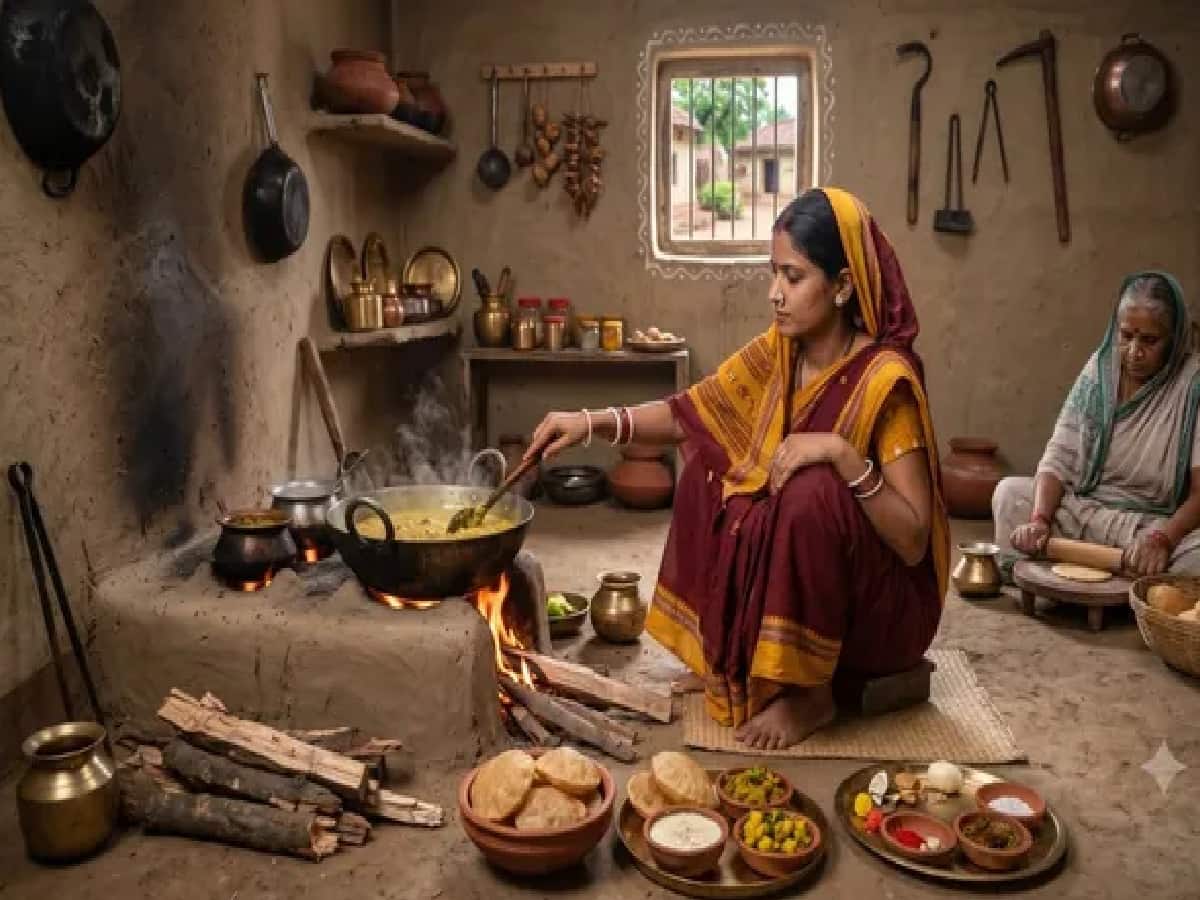
During the auspicious sixteen-day window of Pitru Paksha, Sanatana Dharma assigns utmost priority to the offerings made for departed ancestors, often revering them above formal deity worship. Because ancestral souls are believed to visit earthly abodes in subtle energetic forms to accept the nourishment provided through Tarpan and Panchbali (offerings for cows, dogs, crows, gods, and ants), preparing the Shraddha feast demands absolute ritual cleanliness (shuddhata). According to Hindu tradition and religious scriptures, women are advised to step away from culinary duties for Shraddha if their menstrual cycle begins on the designated tithi. Beyond traditional ritual restrictions, this custom was rooted in affording women complete physical rest and recovery, acknowledging that intense household toil during menstrual exhaustion drains vital energy.
Manusmriti Injunctions on Ancestral Feasts and Brahmin Bhoj
The religious rationale prohibiting cooking or serving during menstruation traces directly to classical texts, notably the third chapter of Manusmriti. The scripture outlines precise guidelines governing the preparation and gaze directed at food offered during sacred oblations:
$$\text{"Chandalashcha Varahashcha Kukkutah Shva Tathaiva Cha, Rajaswala Cha Shandhashcha Neksherannashnato Dvijan"}$$
Under this verse, sacred ancestral food served to a practicing Brahmin must not be viewed or handled by a menstruating woman (rajaswala), among other listed exclusions. Scriptural tradition maintains that an ancestral feast prepared under such circumstances fails to yield spiritual merit and is deemed unacceptable by the pitrus, potentially leaving ancestral souls unsatisfied and disrupting household harmony.
Scriptural Solutions When Periods Coincide with Shraddha Tithis
If menstruation arrives unexpectedly on the specific tithi designated for family rites—such as the Shraddha of a parent or parent-in-law—priests and scholars suggest clear alternatives to ensure the ritual continues smoothly. First, another non-menstruating woman of the household, or the male members themselves, should take over the preparation of the satvik food for the ancestors and Brahmin bhoj. If no alternative cook is available, the family should perform only dry Tarpan rites and defer the primary food offering and Brahmin feast to Sarva Pitru Amavasya (Mahalaya), the universal concluding day of Pitru Paksha when all missed or delayed Shraddha rites are accepted. Concurrently, the menstruating woman may offer mental prayers seeking forgiveness for physical inability, while male family members donate raw grains, pulses, and dakshina (seedha daan) to a worthy Brahmin or underprivileged individuals in honor of the departed.