Beyond the Forehead: Discover the Sacred Significance of Applying Sandalwood to Different Body Parts
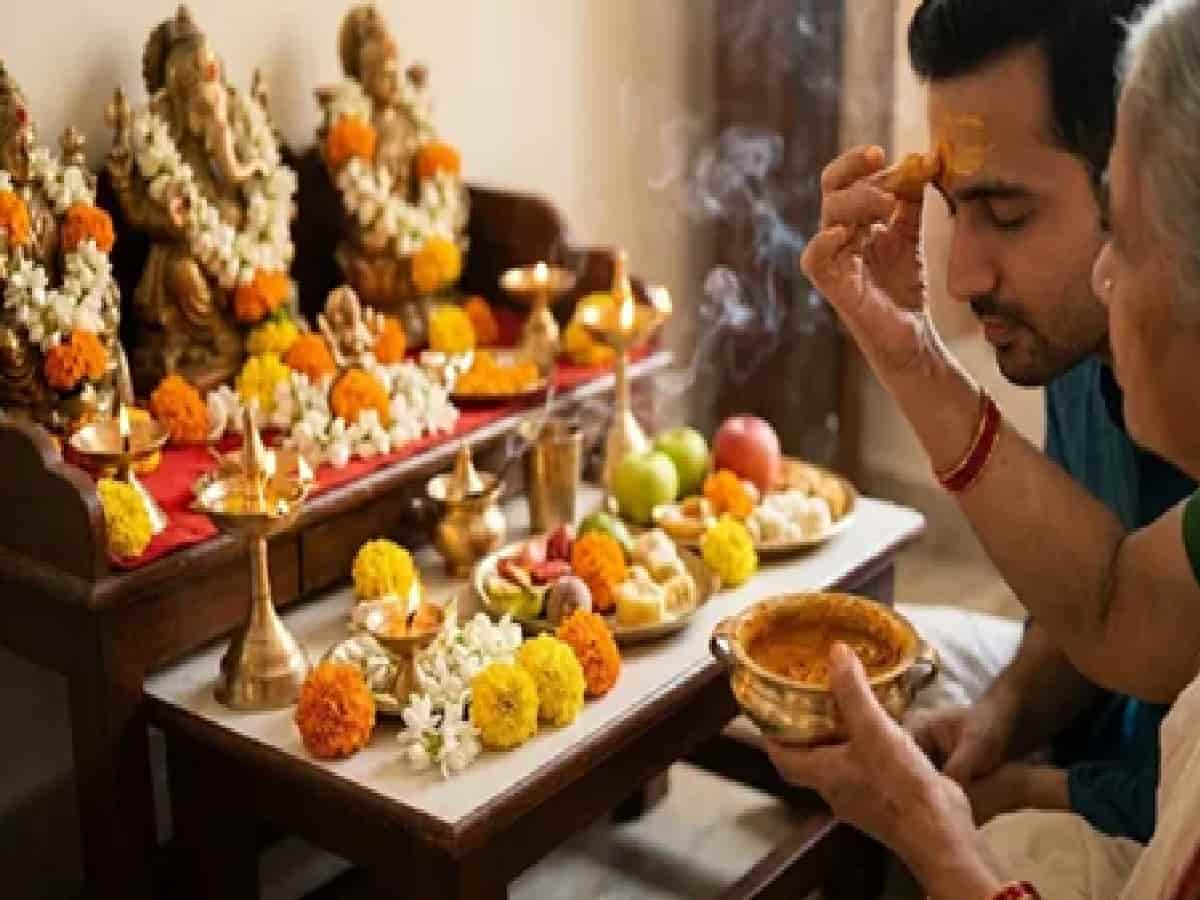
In the rich landscape of Sanatan Dharma, every element incorporated into worship carries deep spiritual, symbolic, and energetic meaning. Alongside flowers, sacred rice grains, and earthen lamps, sandalwood (chandan) holds a place of supreme reverence, particularly in the worship of Lord Vishnu. While most devotees are familiar with the common practice of applying a cooling sandalwood tilak to the forehead, ancient scriptures reveal a much broader tradition. According to Vedic customs and sacred texts like the Padma Purana, applying sandalwood paste to multiple vital centers of the body is a powerful spiritual practice that aligns the physical form with divine consciousness.
The Forehead: Cultivating Peace and Mental Concentration
The forehead is the most traditional site for applying a sandalwood tilak, situated directly over the space between the eyebrows—the location of the ajna chakra or the third eye. Religiously and energetically, applying sandalwood here is believed to foster mental concentration, inner peace, and purity of thought. Because of sandalwood’s inherent cooling properties, its application to the forehead during prayer and meditation helps soothe the nervous system, allowing the devotee to transition away from worldly distractions and focus deeply on the divine presence during worship.
The Throat and Heart: Connecting Speech and Devotion to the Divine
Beyond the head, Hindu rituals—particularly within the Vaishnava tradition—encourage the application of tilak to the throat and the heart. The throat is viewed as the center of expression and communication; applying sandalwood here while chanting the names of Lord Vishnu serves as a constant spiritual reminder to keep one's speech pure and aligned with the remembrance of God. Similarly, the heart region represents the seat of human emotion, love, and surrender. Applying sandalwood to the chest or heart symbolizes a deep, unwavering devotion and reverence for the Almighty, anchoring the worshipper's emotional core in divine grace.
The Navel and Scriptural Rules of the Twelve Points
In more detailed esoteric traditions, the navel is recognized as a vital energy center and the origin of physical life. Certain sects prescribe the application of sacred paste to the navel and abdomen as part of comprehensive ritualistic purification. The Padma Purana elaborates extensively on this practice, noting that the Vaishnava tradition traditionally involves applying sacred marks to twelve distinct areas of the body, including the forehead, chest, throat, arms, and abdomen. While these specific multi-point practices may vary across different lineages and family customs, they collectively underscore how ancient Indian traditions viewed the human body as a sacred temple, worthy of complete consecration during worship.