







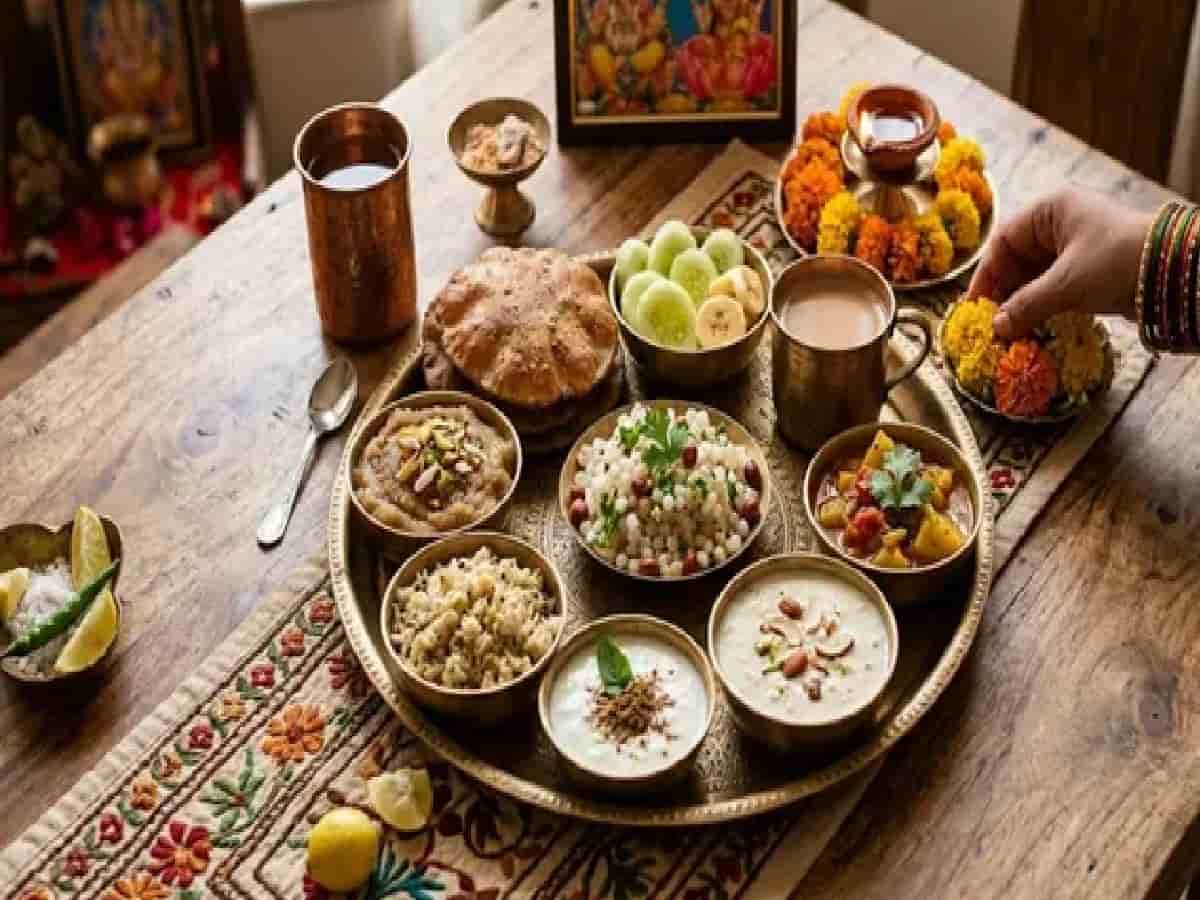
Anant Chaturdashi 2026: Avoid These 4 Foods on Your Fasting Plate to Protect Your Vrat
Observed annually on the Chaturdashi Tithi of Shukla Paksha in the month of Bhadrapada, Anant Chaturdashi holds immense spiritual importance in Hindu tradition. The day carries twofold significance: it marks the grand conclusion of the ten-day Ganeshotsav festival with the immersion of Ganpati Bappa, while simultaneously serving as the primary occasion to venerate the eternal "Ananta" avatar of Lord Vishnu. According to scriptural lore in the Mahabharata, the Pandavas observed this rigorous Sattvic fast under the guidance of Maharishi Ved Vyas to overcome severe hardships and successfully reclaim their lost kingdom.
4 White Foods Strictly Forbidden During the Fast
While devotees conduct ceremonies with deep spiritual devotion, culinary slip-ups often compromise the spiritual sanctity of the vow. Scriptural tenets emphasize that Anant Chaturdashi requires rigorous sensory discipline and dietary control, mandating the complete exclusion of four specific white items:
-
Rice: Although unbroken rice grains (akshat) are essential for offering to Lord Vishnu during the ritual worship, eating rice in any form during the fast is strictly prohibited in sacred texts.
-
Refined White Salt: Consuming regular processed table salt immediately invalidates the sanctity of the fast. If an individual experiences fatigue or health issues, a controlled amount of rock salt (sendha namak) may be taken only after concluding the evening prayers.
-
Raw Milk and Commercial Sweets: Devotees must avoid consuming the unpasteurized raw milk used during the ceremonial bathing (abhishekam) of the deity. Furthermore, commercially mass-produced white confections—such as peda or rasgulla—frequently carry adulterants and must be avoided.
-
Yogurt: While curd forms an integral component of the holy Panchamrit mixture prepared for the altar, individuals observing the fast should refrain from consuming it directly, as it promotes lethargy and phlegm, countering the Sattvic clarity required for the fast.
Permissible Phalahar Foods for Devotees
To sustain bodily vitality while preserving ceremonial purity, fasting individuals should rely entirely on clean, nutrient-dense Phalahar ingredients. Nutritionists and spiritual scholars recommend fresh seasonal fruits, roasted fox nuts (makhana), assorted dry fruits, and dishes prepared using water chestnut flour (singhare ka atta) or buckwheat flour. These wholesome alternatives maintain energy levels without violating ritual guidelines.
Auspicious Puja Timings and Auspicious Muhurats
Devotees can perform the worship of Lord Vishnu throughout the broad auspicious window spanning from 6:11 AM to 11:06 PM. For maximum spiritual efficacy, Vedic astrologers recommend synchronizing offerings with specific sacred muhurats:
-
Brahma Muhurta: 04:35 AM to 05:23 AM (ideal for early meditation and संकल्प)
-
Abhijit Muhurta: 11:48 AM to 12:37 PM (highly potent for central rituals)
-
Vijay Muhurta: 02:13 PM to 03:01 PM (favorable for overcoming obstacles)
-
Godhuli Twilight Muhurta: 06:14 PM to 06:38 PM (auspicious for evening aarti)