







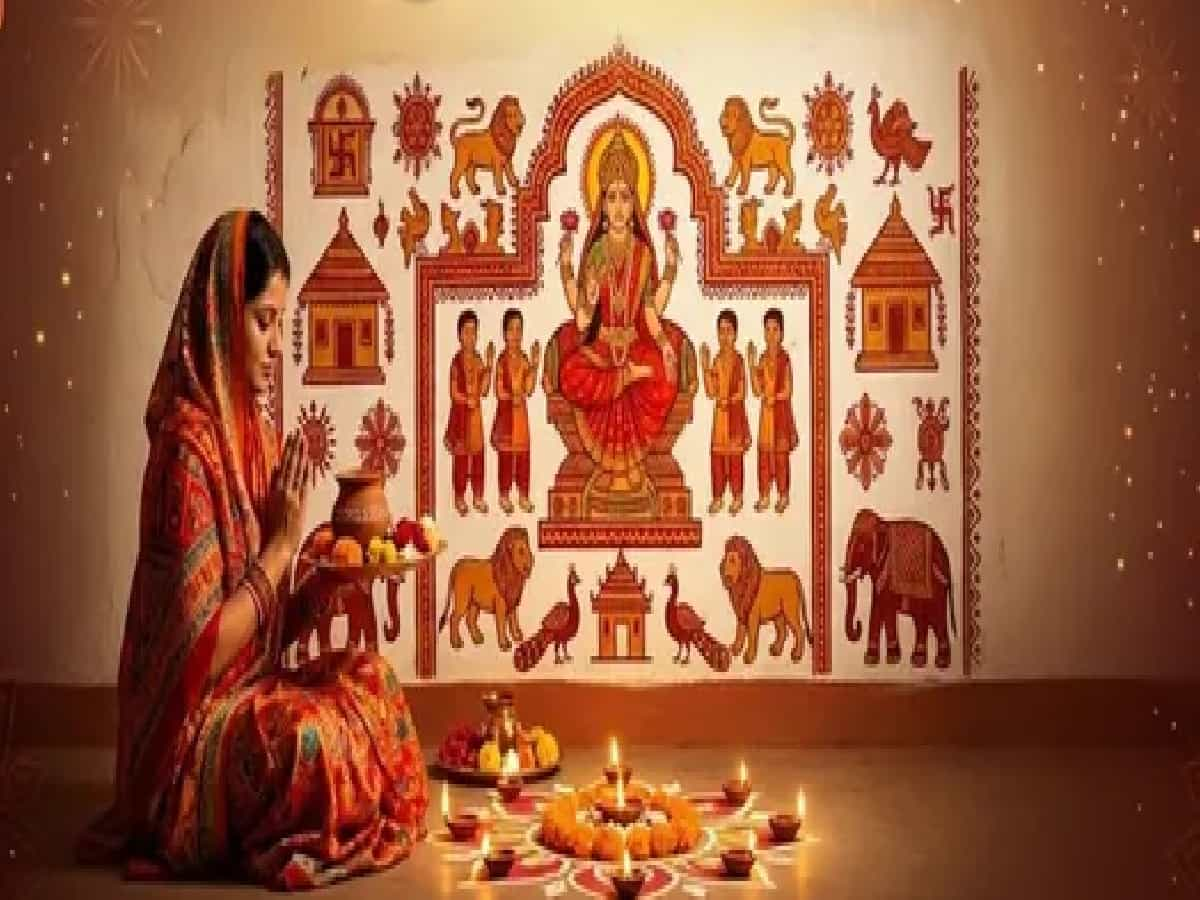
Ahoi Ashtami on Nov 1: Puja Muhurat, Star Sighting Time & Sacred Fasting Rules
Observed with deep maternal devotion across northern and central India, the sacred festival of Ahoi Ashtami will be celebrated on Sunday, November 1, 2026, marking an essential ritual corridor in the holy month of Kartik. Falling exactly four days after Karwa Chauth and eight days prior to Diwali, the occasion is dedicated to Ahoi Mata, an avatar of Goddess Parvati revered as the divine protectress of offspring. On this auspicious day, mothers undertake a rigorous dawn-to-dusk waterless fast (Nirjala vrat) to pray for the longevity, sound health, academic progress, and holistic protection of their children from untoward obstacles. According to Vedic tradition, observing the rituals with immaculate scriptural precision is believed to remove past misfortunes and bestow enduring vitality upon the household, making strict adherence to tithi timelines and traditional customs essential.
Tithi Timings and Auspicious Puja Windows: When to Worship and Sight Stars
Vedic panchang calculations confirm that the Ashtami Tithi of the Kartik Krishna Paksha commences at 02:51 PM on Sunday, November 1, 2026, and concludes at 01:10 PM on Monday, November 2. Because the central rites of Ahoi Ashtami demand twilight rituals and planetary alignment with the stars, the fast is formally observed on November 1. The most propitious Ahoi Ashtami Puja Muhurat will span a 1-hour and 18-minute evening window from 05:36 PM to 06:54 PM, providing families an optimal duration to conduct their rituals before nightfall. The auspicious timing for star sighting (Tara Darshan) begins at approximately 06:00 PM, which serves as the traditional benchmark for women to perform their evening arghya. For those whose familial traditions prescribe awaiting lunar darshan before concluding the fast, moonrise on the night of November 1 is scheduled for 11:40 PM.
Step-by-Step Vrat Vidhi: Wall Art, Mandatory Katha, and Parana Guidelines
The sacred discipline begins early in the morning following a sunrise bath, where mothers wear fresh, clean attire and hold sacred water in their palms to formally take the Nirjala Vrat Sankalp, pledging complete abstinence from food and drinking water throughout the day. In the evening, during the sanctioned muhurat window, devotees traditionally render an image of Ahoi Mata along with seven sons and a porcupine using natural red ochre (geru) on a clean northern wall, or display a consecrated calendar print. A ceremonial altar is set with an earthen or brass pot filled with clean water, accompanied by a single-wick lamp fueled by pure cow ghee. Worshipers offer vermilion (roli), unbroken rice grains (akshat), raw milk, and fresh home-cooked prasad such as sweet halwa or wheat flour pudding. A crucial requirement of the puja is the full auditory recitation of the ancient Ahoi Ashtami Vrat Katha, without which the fast is scripturally deemed incomplete. Following the katha, women offer water libations (arghya) through a sieve or karwa to the early evening stars starting around 06:00 PM, concluding the austerity by consuming strictly satvik prasad to complete the parana ritual.




