







5 Critical Fasting Mistakes Mothers Must Avoid for Children’s Longevity
The auspicious festival of Ahoi Ashtami will be observed across India on Sunday, November 1, 2026, marking one of the most spiritually revered fasts undertaken by Hindu mothers for the long life, sound health, academic success, and overall prosperity of their children. Celebrated annually on the Ashtami Tithi of the Krishna Paksha during the holy month of Kartika—falling exactly eight days ahead of the festival of Diwali—the occasion revolves around an austere sunrise-to-dusk Nirjala (waterless) fast dedicated to Ahoi Mata, worshipped as a compassionate manifestation of Goddess Parvati. Rooted in deep Vedic traditions and maternal devotion, the observance demands rigorous spiritual purity, as fasting women take a formal resolution before dawn and observe strict self-discipline until the evening constellations emerge in the sky, invoking divine protection over their household and offspring.
The Legend of Maternal Redemption: Why Ahoi Mata and the Porcupine Are Reassuringly Re-vered
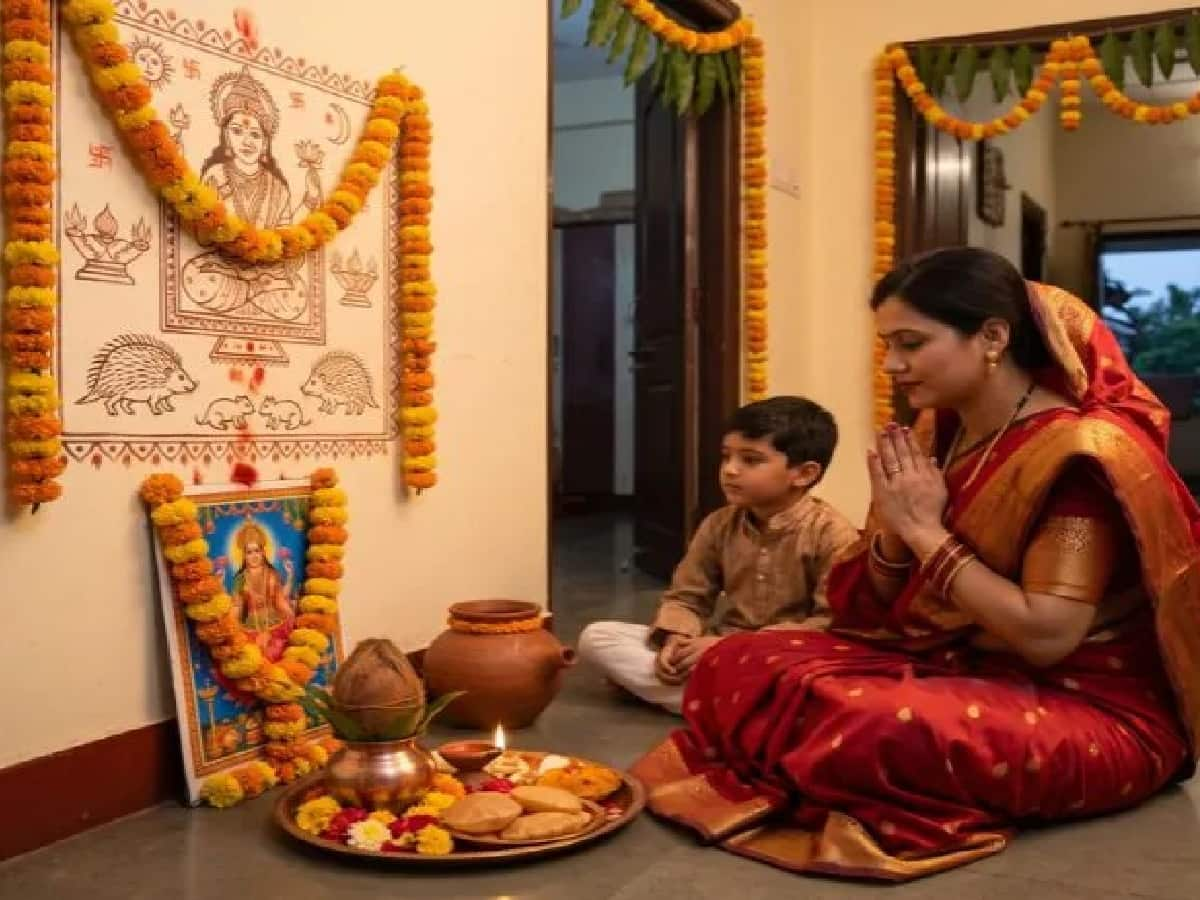
The origins of Ahoi Ashtami trace back to a poignant scriptural tale of repentance, maternal grief, and divine redemption detailed in the ancient Vrat Katha. According to Hindu folklore, a devout mother while excavating soil in a dense forest accidentally injured and killed an infant porcupine with her digging tool, only to face tragedy when her own children passed away shortly thereafter. Stricken with remorse, the woman performed intense penance to appease Goddess Parvati, who advised her to observe an uncompromising waterless fast and seek forgiveness from Ahoi Mata while honoring the mother porcupine and her young. Moved by her sincere devotion, Ahoi Mata restored her children to life, giving rise to the tradition where mothers paint the sacred motif of Ahoi Mata alongside a porcupine family on an altar wall, reaffirming a sacred bond of empathy with all living creatures while praying for their children's protection.
Sacred Rituals and the Evening Star: Step-by-Step Puja Vidhi and Fast-Breaking
The day begins during the pre-dawn Brahma Muhurta, where mothers bathe, dress in traditional festive attire, and take a solemn vow (Sankalp) to endure a complete waterless fast for their children's longevity. In the late afternoon, women assemble to sketch or display the likeness of Ahoi Mata, arrange ceremonial brass plates with seasonal fruits, sweets, and sprouted grains, and recite the traditional Ahoi Ashtami Vrat Katha while lighting earthen lamps (diyas). Unlike the customs of Karwa Chauth where women wait for the late-night moon, the Ahoi Ashtami fast concludes at twilight by offering sacred water (Arghya) to the first visible evening stars. Following prayers to the constellations, mothers break their fast with pure sattvik food, accompanying the rituals with charitable donations and meals offered to Brahmins and the underprivileged to seal the blessings of the fast.
5 Inauspicious Mistakes to Avoid: From Soil Work to Cutting Hair
To maintain the sanctity of the fast and avoid inauspicious consequences, Vedic tradition outlines five strict taboos that mothers must not violate during Ahoi Ashtami. First, the use of sharp or pointed objects—such as kitchen knives, scissors, and sewing needles—is strictly forbidden, as these tools symbolize discord and violence. Second, women must not engage in any activity that involves digging or disturbing the soil, honoring the cautionary tale of the forest porcupine. Third, sleeping during the daytime hours is considered an act of spiritual negligence and lethargy that reduces the spiritual merit of the day's prayers. Fourth, cutting, trimming, or washing hair on the day of the fast is prohibited, as it is believed to adversely impact family fortune. Finally, mothers must cultivate peace and patience, consciously avoiding anger, deceit, arguments, and harsh words to ensure that their prayers for their children's well-being remain untainted.




