







3 Sacred Offerings Lakshmi Puja Cannot Happen Without on Diwali 2026
As India prepares to celebrate Diwali on November 8, 2026, Vedic scholars reveal the Samudra Manthan origins behind why offering cowrie shells, lotus blossoms, and thread-bound betel nuts to Goddess Lakshmi and Lord Ganesha is essential for attracting enduring wealth and overcoming stalled fortunes.
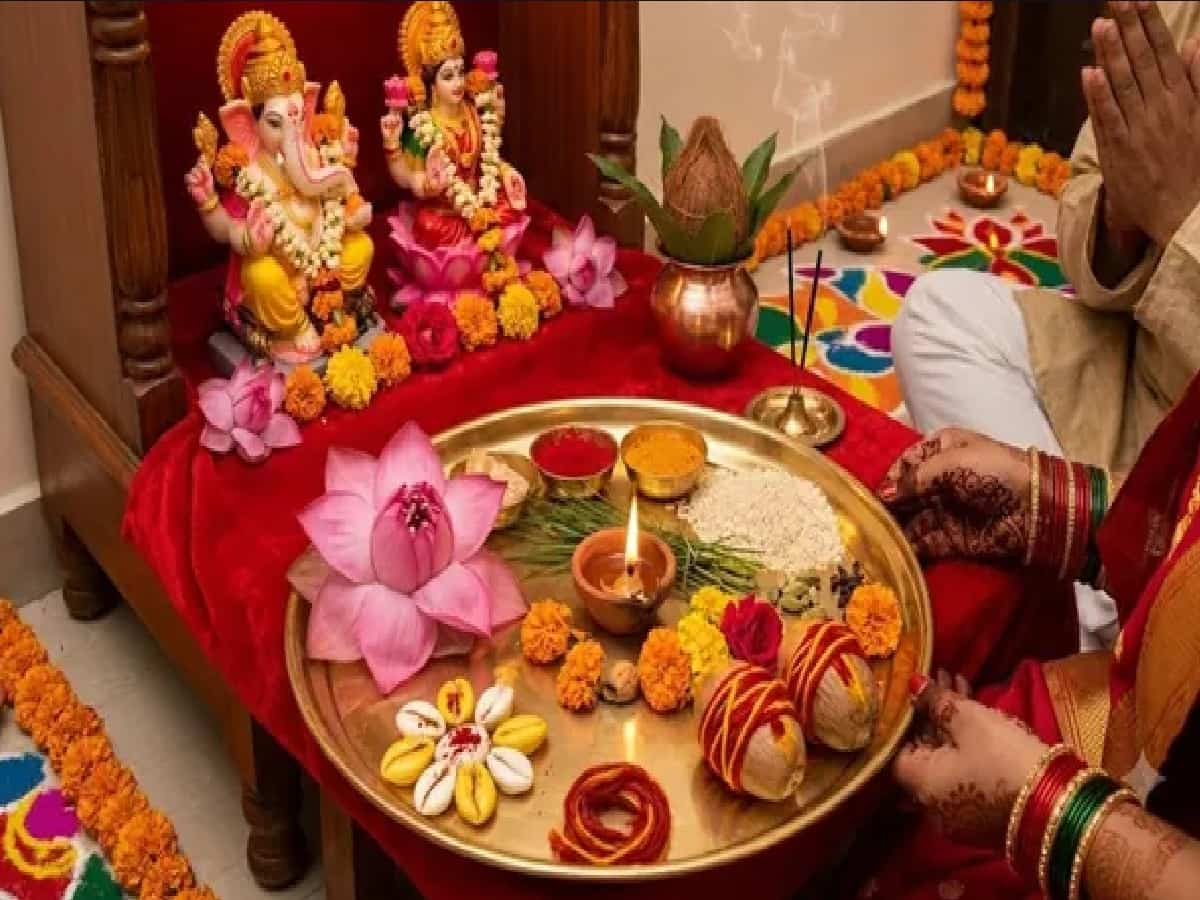
As millions of households across India gear up to celebrate the sacred festival of lights on Sunday, November 8, 2026, Vedic astrologers and ritual scholars have spotlighted an ancient esoteric secret rooted in the cosmic churning of the primeval ocean (Samudra Manthan): why the invocation of Goddess Mahalakshmi remains incomplete without three indispensable sacred elements. While families across major cultural epicenters from New Delhi and Varanasi to Mumbai and Jaipur assemble elaborate puja platters (thalis) to worship the goddess of fortune alongside Lord Ganesha, scriptural tradition dictates that material affluence and domestic tranquility cannot be anchored into the household without offering yellow cowrie shells, pink lotus blossoms, and consecrated betel nuts. Emerging directly from the celestial Kshir Sagar (Ocean of Milk) alongside divine treasures during the epochal churning between the Devas and Asuras, these sacred natural items act as metaphysical conduits that magnetically draw positive cosmic vibrations, fill home vaults with enduring prosperity, and clear chronic financial blockages.
Cosmic Origins: How Cowrie Shells and Lotus Flowers Channel Ocean Abundance
The profound significance of cowrie shells (kaudi) in Diwali rituals stems from their shared celestial heritage with Goddess Lakshmi herself. According to mythological lore, when the primeval ocean yielded its divine gems, both Goddess Lakshmi and cowries emerged from the waters in unison, establishing a spiritual kinship that makes cowries one of her most cherished symbols on earth. Placing energized cowrie shells in the ceremonial thali and subsequently preserving them in household safes or commercial cash drawers is believed to maintain an unbroken flow of liquidity, ensuring domestic coffers remain consistently replenished. Parallel to this ocean-born treasure is the sacred lotus flower (kamal), which serves not merely as an offering but as the literal seat, sanctuary, and birthplace of the goddess. When Mahalakshmi manifested from the milk ocean, she appeared seated upon a fully unfolded pink lotus, symbolizing pure spiritual discernment floating untouched above worldly temptations; presenting fresh lotus blossoms during Pradosh Kaal worship is considered the highest ritual courtesy, guaranteed to gladden the deity and bestow swift material and spiritual elevation upon the devotee.
The Sacred Betel Nut: Consecrating Divine Abodes to Clear Stalled Endeavors
Complementing the oceanic energy of the lotus and cowrie shells is the humble betel nut (supari), an indispensable anchor of classical Hindu liturgy that carries immense symbolic authority during Diwali night rituals. Regarded by scriptural texts as the consecrated earthly seat of both Lord Ganesha and Goddess Lakshmi, the unbroken betel nut represents firm resolve, integrity, and karmic fulfillment. In standard ritual practice, priests and householders bind the supari with sanctified red-and-yellow sacred thread (kalawa or moli) before positioning it upon clean grains of rice on the puja altar, effectively inviting the obstacle-remover Lord Ganesha to preside over the ceremonies. Performing this precise consecration clears lingering negative planetary afflictions, reconciles fractured family energies, and removes hidden impediments that hold back pending business deals, career promotions, and stalled property transactions, ensuring the auspicious momentum generated on Diwali night sustains throughout the coming year.




