12 Types of Shraddha in Bhavishya Purana: Which Ritual Fulfills Your Specific Wishes
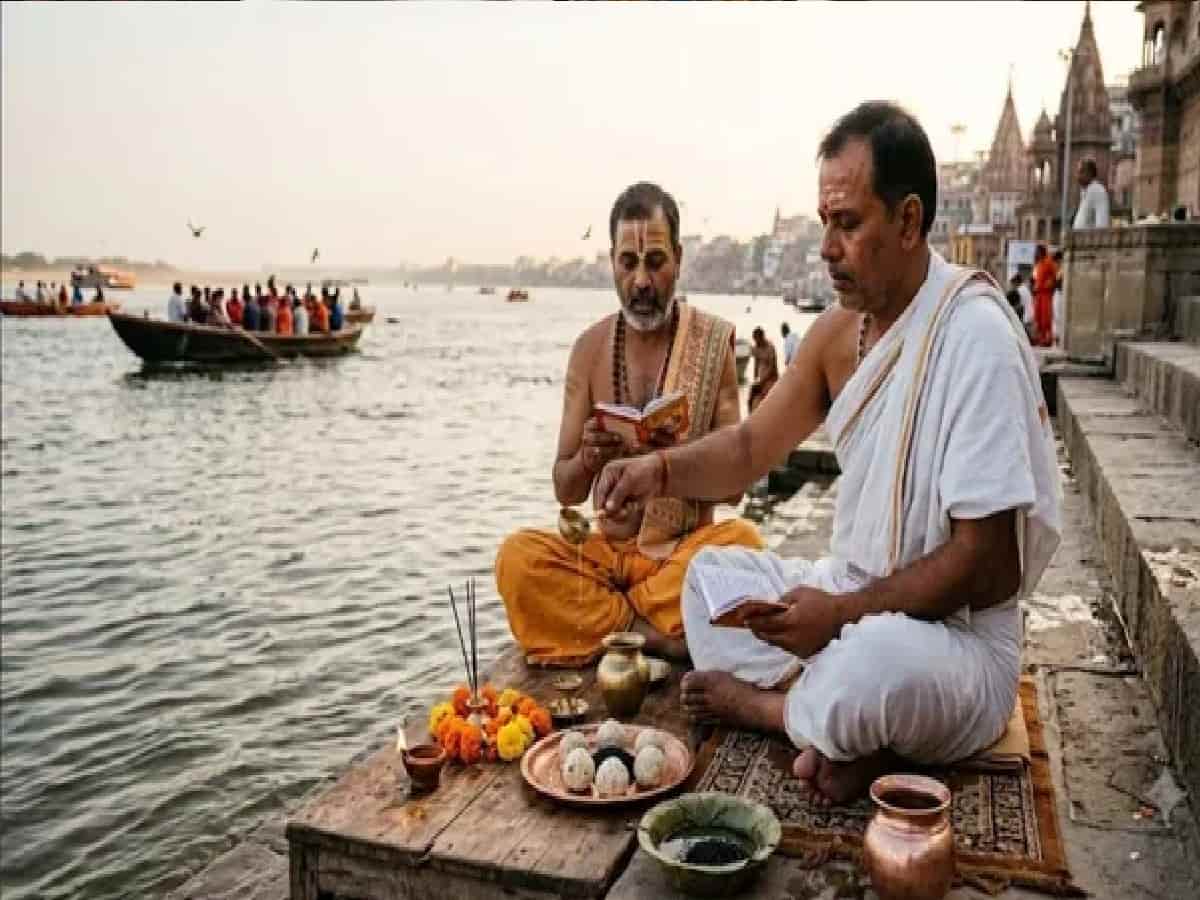
With the sacred fortnight of Pitru Paksha commencing on September 26 according to the Vedic calendar, millions of devotees across the country prepare to honor their forebears through solemn offerings of water, food, and prayer. While performing Shraddha is universally understood as a vital duty to appease departed souls and invite peace into one's home, ancient scriptures reveal that the tradition encompasses multiple specialized ceremonies. The revered Bhavishya Purana categorizes ancestral rites into 12 distinct forms, each tailored with specific procedures, timings, and spiritual outcomes ranging from career advancement to the prosperity of future generations.
Daily and Occasion-Specific Rites: Nitya, Naimittik, and Kamya Shraddha
The first group of ceremonies addresses regular spiritual discipline, individual soul transitions, and wish fulfillment:
-
Nitya Shraddha: This routine offering is conducted on a daily basis using pure water, food grains, or black sesame seeds. Vedic scholars note that performing Nitya Shraddha continuously dissolves subtle karmic obstacles and stimulates steady personal and professional progress.
-
Naimittik Shraddha: Popularly referred to as Ekoddishta Shraddha, this rite is observed for a single, specific individual on a designated lunar date or death anniversary, focusing spiritual energy entirely on the peace of that particular departed soul.
-
Kamya Shraddha: Undertaken with a specific material or spiritual intention, this ceremony is performed by individuals seeking targeted blessings, such as business success, relief from long-standing litigation, or resolution of worldly desires.
Fortnightly and Life-Milestone Rites: Parva, Vriddhi, and Sapindakarana
Major transitional moments in familial life require specialized invocations to ensure ancestral harmony:
-
Parva Shraddha: Celebrated primarily during the new moon day (Amavasya) or throughout the Pitru Paksha fortnight, this comprehensive ritual involves offering obeisance to three direct generations of forefathers, grandfathers, and great-grandfathers.
-
Vriddhi Shraddha: Performed ahead of joyous auspicious occasions—such as weddings, naming ceremonies, or grand household celebrations—this ceremony seeks the collective blessings of ancestors to protect family milestones from malevolent influences.
-
Sapindakarana Shraddha: Conducted traditionally on the 12th day following an individual's demise, or during designated annual commemorations, this pivotal rite spiritually unites the newly departed soul with the ancestral lineage to preserve respect and familial continuity.
Community, Cleansing, and Child-Welfare Rites: Goshthi, Shuddhi, and Karmang
The sacred texts also specify rites aimed at societal cohesion, spiritual purification, and family welfare:
-
Goshthi Shraddha: Organized collectively in the presence of knowledgeable Vedic scholars, family elders, or community assemblies, this ritual fosters collective harmony and community well-being.
-
Shuddhi Shraddha: Performed to restore physical, psychological, and environmental purity following the conclusion of ritual pollution periods, such as Sutak (birth-related impurity) or Paatak (death-related impurity).
-
Karmang Shraddha: Executed before embarking on major religious ceremonies, vows, or consecration sacraments. According to scriptural lore, dutifully observing this rite ensures that children grow up to be upright, supportive pillars for their parents in old age.
Divine Protection, Travel, and Health: Daivik, Yatra, and Pushti Shraddha
The final triad of Shraddha practices addresses spiritual protection, travel safety, and overall vitality:
-
Daivik Shraddha: Unlike ceremonies centered strictly on departed humans, this unique rite is performed to invoke the benevolence and favor of celestial deities and guardians.
-
Yatra Shraddha: Undertaken by pilgrims and householders prior to embarking on demanding pilgrimages, long expeditions, or overseas journeys, ensuring safe travel and the successful completion of the endeavor.
-
Pushti Shraddha: Specifically performed to cultivate robust physical health, mental fortitude, holistic healing, and all-round material and spiritual abundance for oneself and surviving family members.