






Why PM Modi Skipped Joint Press Conference With Trump In France: The Inside Story
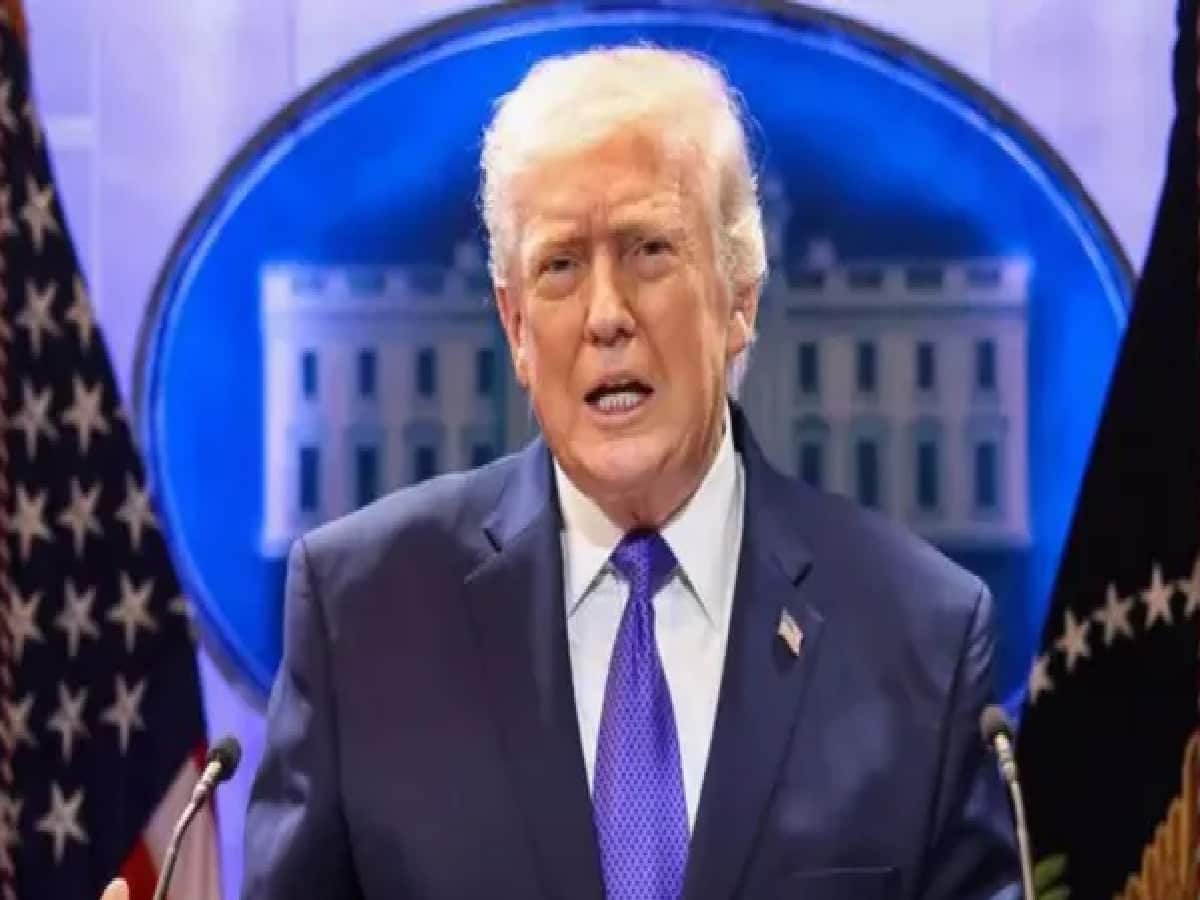
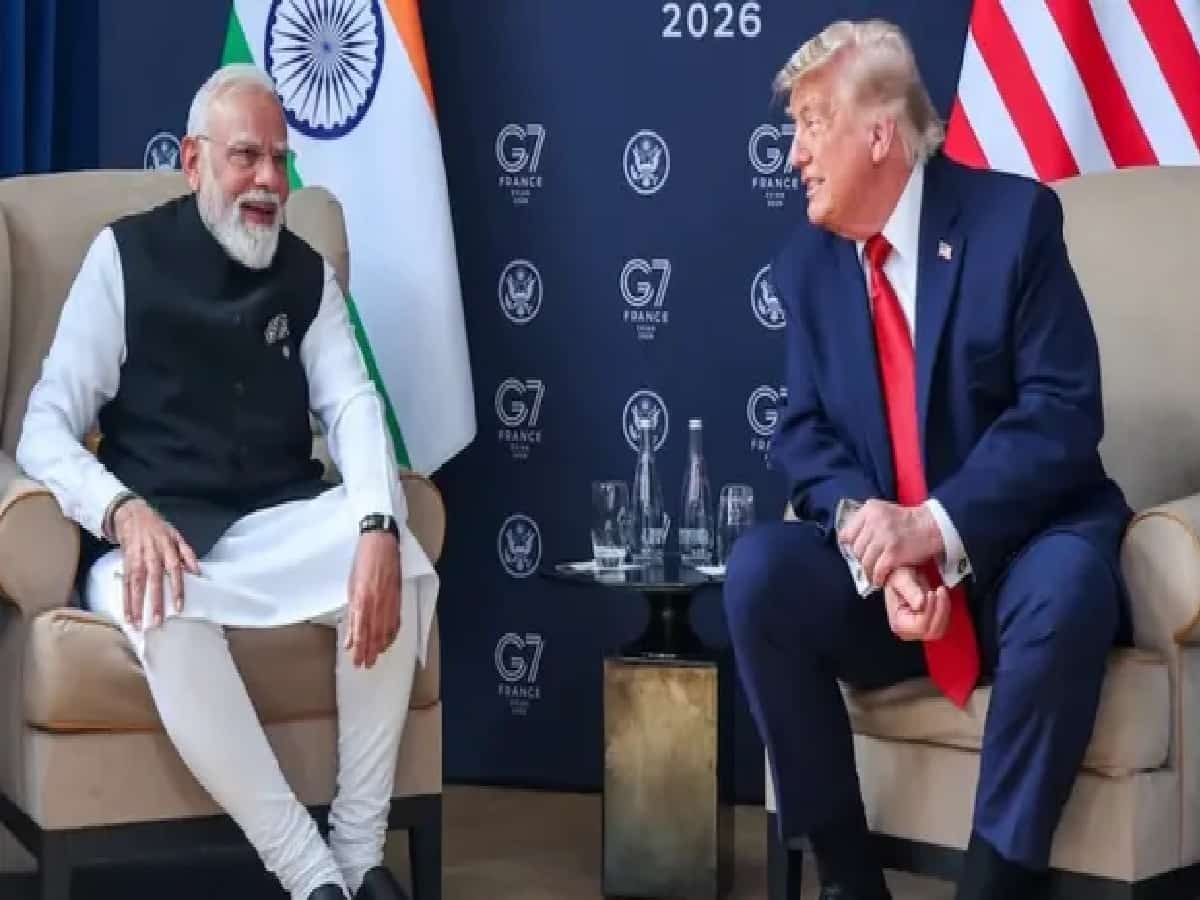
During high-level international summits, diplomatic optics are crafted with extreme precision. A notable diplomatic decision occurred when Prime Minister Narendra Modi and US President Donald Trump held bilateral talks on the sidelines of the G7 summit in Evian-les-Bains, France. While the two leaders engaged in crucial discussions, India deliberately avoided holding a traditional joint press conference, opting instead for a restricted media format.
Strategic Caution Amid Unpredictable US Leadership
According to insights shared by government sources with news agencies, the decision to bypass an open question-and-answer press conference stemmed from strategic caution. Many foreign delegations interacting with the US administration have historically remained cautious regarding spontaneous or unexpected public remarks. To safeguard national diplomatic messaging—drawing lessons from unpredictable interactions observed during Trump's previous meetings with international leaders—the Indian Ministry of External Affairs (MEA) chose a controlled media presence.
US Ambassador Confirms India's Pre-Meeting Conditions
The diplomatic maneuver was subsequently corroborated by US Ambassador to India Sergio Gor. Speaking at a public engagement, the ambassador revealed that the Indian side had transparently communicated its terms to the US delegation prior to commencing talks. While media personnel were permitted entry to capture initial visuals, India firmly stipulated that no open Q&A press conference would take place. Ambassador Gor noted that President Trump readily accepted the condition without objection.
Positive Outcomes And Strategic Assurances
Despite the tightly managed media format, the bilateral engagement successfully fostered positive momentum aimed at restoring and strengthening India-US relations following a preceding period of diplomatic friction. During the meeting, President Trump heaped praise on Prime Minister Narendra Modi, characterizing him as a resolute leader capable of tough decision-making. Furthermore, the US leadership offered strong assurances of bilateral support in the event of any regional security crisis, reinforcing strategic defense cooperation between the two democracies.