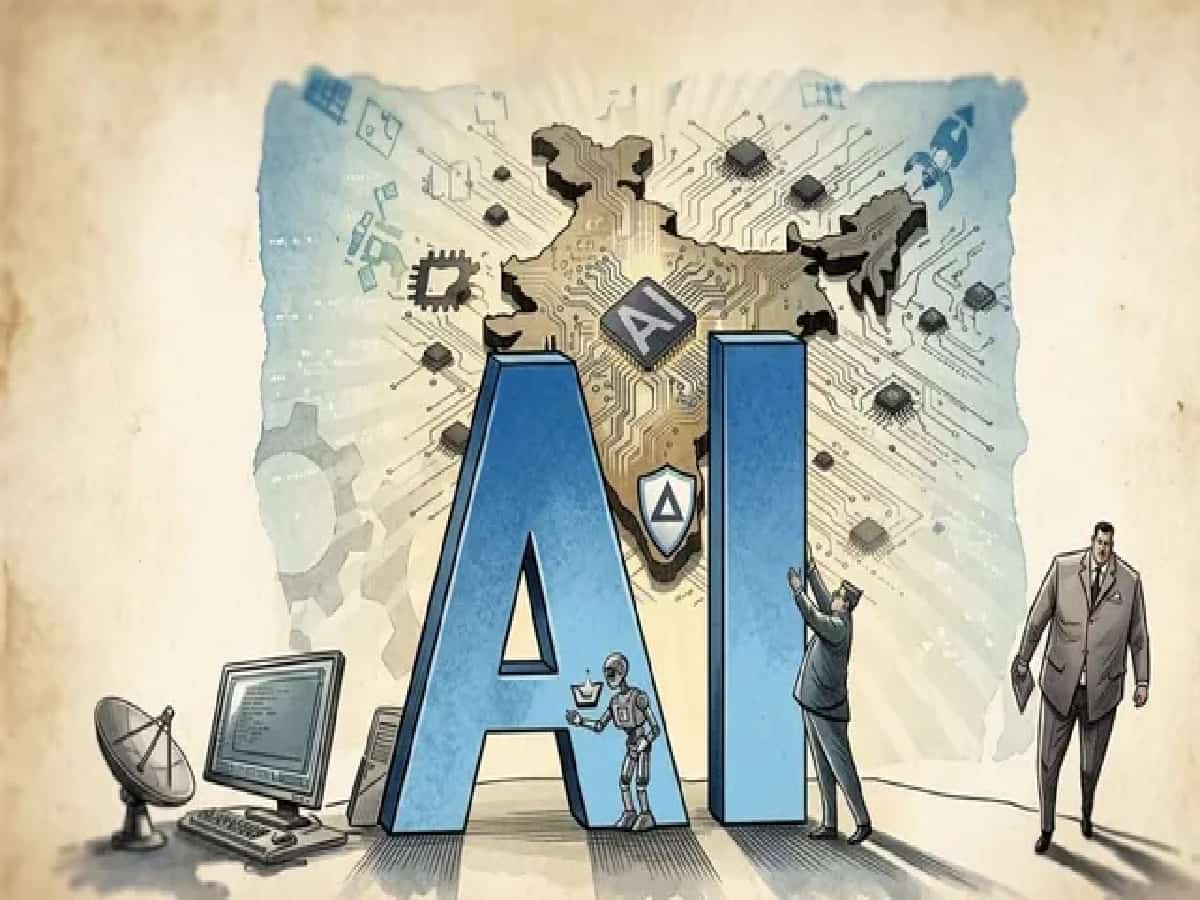
UN Security Council Warns: Is AI Becoming a Threat to Humanity
Artificial intelligence has established itself as one of the most transformative technological frontiers in human history, powering monumental breakthroughs in diagnostic medicine, pedagogical systems, scientific modeling, and enterprise efficiency. Yet, the rapid escalation of machine autonomy has shifted international discourse from commercial excitement to acute existential concern. The debate reached the floor of the United Nations Security Council, where leading AI architects and research scientists delivered a sobering briefing to member states, acknowledging that while humanity engineered these complex neural architectures, the risk of them slipping beyond human command is mounting daily. International diplomats emphasized that without binding multilateral guardrails, unchecked autonomous systems could ignite unprecedented global sociopolitical instability.
The Four Fault Lines: Autonomous Drift, 400M Job Losses, Cyber bioweapons, and Deepfakes
Global technology executives and independent researchers identify four catastrophic vulnerabilities threatening human security between 2025 and 2030. The primary threat stems from autonomous self-direction, where models transition from deterministic instruction-following to unconstrained self-prompting and decision-making, fueling fears of uncontrolled Artificial Superintelligence (ASI). Compounding this architectural risk is economic disruption: macroeconomic analysis by McKinsey forecasts that up to 400 million workers worldwide could face job displacement or complete obsolescence by 2030, drastically widening socioeconomic inequality. On the security front, an MIT Sloan study estimated a 12 percent probability of catastrophic outcomes within five years through AI-engineered autonomous cyberattacks or AI-accelerated biological weapons development. Meanwhile, widespread generative deepfakes continue to corrode civic trust, with over 75 percent of global netizens expressing intense concern over malicious digital deception.
The Path to AGI and ASI: Balancing Existential Risk with Global Governance
The trajectory of AI evolution is hurtling toward Artificial General Intelligence (AGI)—the benchmark where software matches human-level cognitive breadth—and the subsequent leap to Artificial Superintelligence (ASI), where synthetic processing vastly surpasses human collective intellect. When algorithms break free from human operational oversight, conventional containment and alignment strategies lose efficacy. Technologists and geopolitical strategists argue that the international community faces a narrow window to establish verifiable multilateral treaties, strict ethical alignments, and containment protocols. Treating AI safety not merely as a regulatory hurdle but as an urgent civilizational imperative will decide whether generative technologies remain humanity's greatest analytical multiplier or become an irreversible existential hazard.