'Train With Seniors': Supreme Court Voices Concern Over Young Lawyers Starting Solo Practices
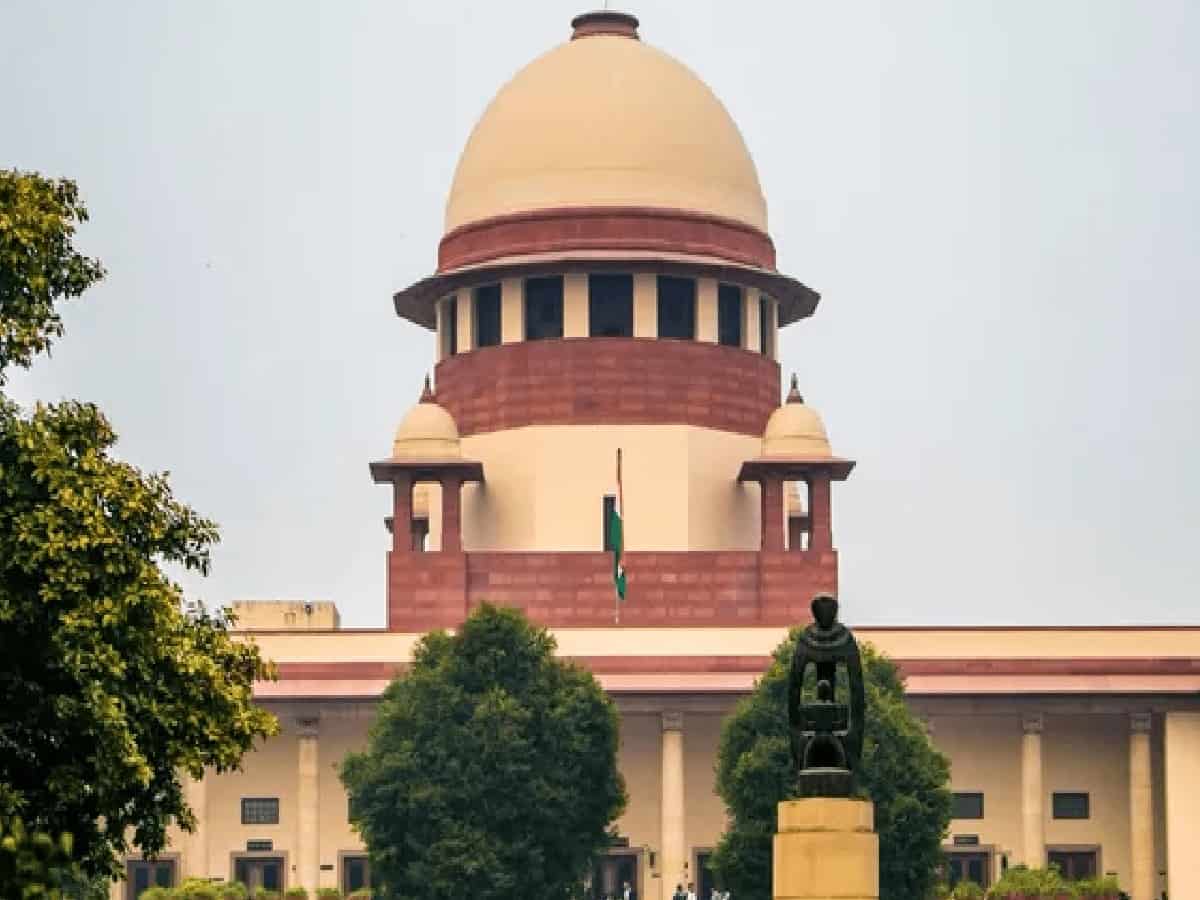
Expressing genuine concern over the evolving professional standards within the legal community, the Supreme Court of India advised young members of the bar to undergo rigorous apprenticeships under senior advocates before setting up independent legal chambers. A division bench comprising Justice B.V. Nagarathna and Justice Augustine George Masih made these critical remarks while hearing an appeal challenging an order passed by the Bombay High Court. The top court underscored that while emerging legal graduates frequently possess theoretical academic competence, launching private offices prematurely deprives them of developing essential professional discipline, verbal restraint, and the nuanced courtroom craft that sustains long-term legal careers.
Academic Degrees Offer 'Hardware,' But Courtroom 'Soft Skills' Require Real Guidance
Observing modern trends in legal practice, Justice Nagarathna highlighted the growing tendency among law graduates to bypass traditional pupillage and launch self-run offices immediately upon obtaining their degrees. The bench drew a sharp analogy, pointing out that an academic law degree provides merely the intellectual "hardware," whereas essential courtroom "soft skills"—such as knowing what to argue, what to concede, and how to maintain courtroom decorum—can only be acquired daily by observing established practitioners. Cautioning about the future caliber of the bar, the apex court stressed that generations of successful jurists built their reputations through dedicated mentorship, and attempting to shortcut this foundational phase undermines the authentic craft of advocacy.
Justice Nagarathna Reflects on Early Career Lessons in Stringent Courtrooms
Reflecting on personal experiences during earlier years at the bar, Justice Nagarathna shared how junior advocates routinely sat in courtrooms presided over by demanding and strict judges specifically to study how seasoned practitioners navigated intense judicial scrutiny. Observing proceedings from the back benches taught emerging litigators how to frame concise responses, handle pointed inquiries from the bench, and avoid costly strategic blunders before ever arguing their own briefs. The Supreme Court concluded that consistent courtroom observation and close association with senior advocates remain irreplaceable prerequisites for mastering the intricacies of the legal trade.