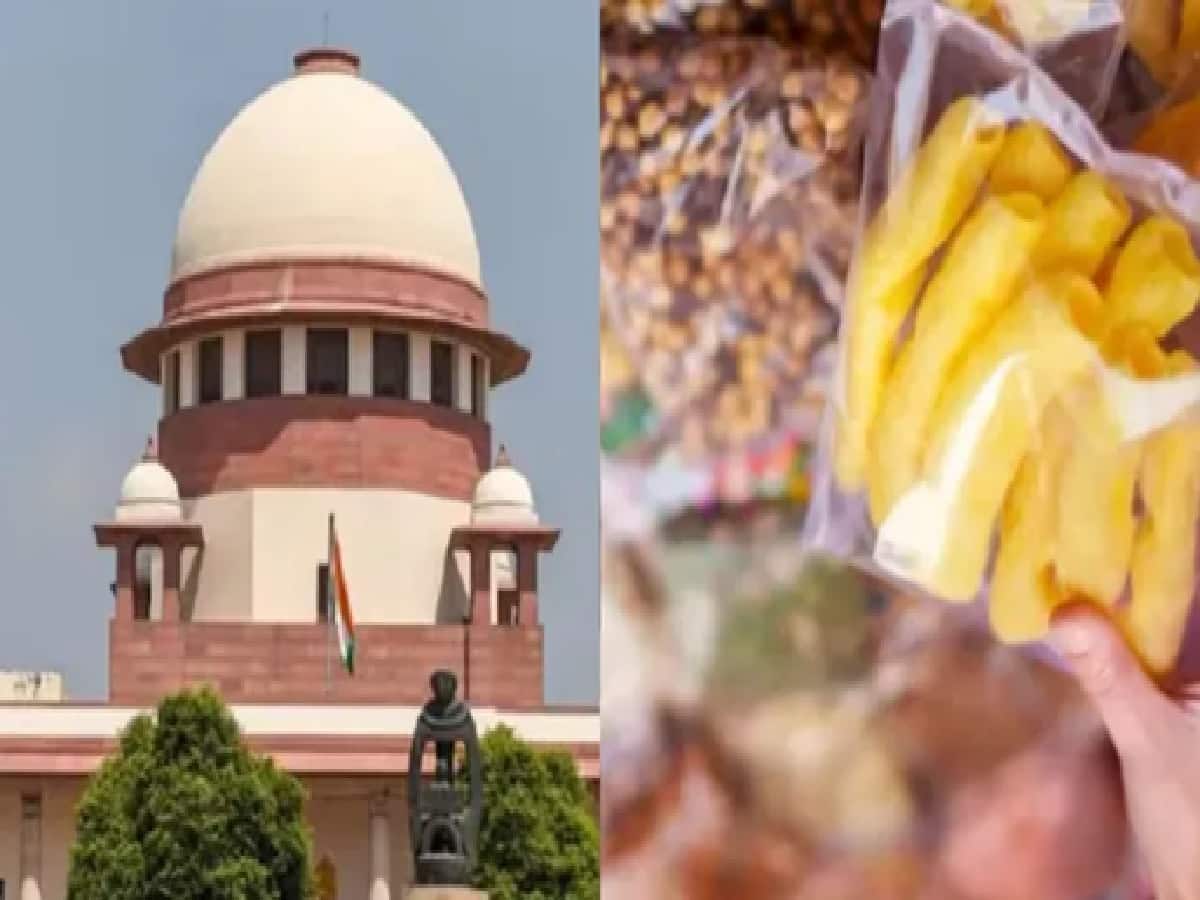
Supreme Court’s Last Warning: Centre Must Act on Packaged Food Labels within Two Weeks
In a stern and uncompromising stance on public health, the Supreme Court of India delivered a sharp reprimand to the Central Government and the Food Safety and Standards Authority of India (FSSAI) regarding the prolonged delay in mandating clear warning labels on packaged food items laden with excessive sugar, salt, and saturated fat. Hearing the critical matter, the apex court made it clear that administrative hesitation on consumer health issues will no longer be tolerated.
Supreme Court Issues Final Two-Week Ultimatum
Presided over by a bench comprising Justices JB Pardiwala and K Vinod Chandran, the court issued a direct warning during the proceedings held on Thursday, August 13, 2026. Making its position explicit, the bench remarked that this serves as the absolute final chance for authorities, stating that the court will proceed to pronounce its definitive verdict if compliance is not ensured.
The bench granted the Centre a strict two-week window to place its final decision and action plan formally on record. The judiciary cautioned that if the government fails to implement comprehensive nutritional warning standards voluntarily, the court will step in to issue direct judicial mandates to safeguard consumer interests.
Prioritizing Public Health And Protecting Children
Throughout the hearing, the Supreme Court repeatedly underscored that the matter directly impacts the fundamental right to health for millions of citizens, with a particular emphasis on protecting growing children from the rising tide of lifestyle diseases.
Challenging the delays, the bench questioned government counsel directly, asking why authorities appeared reluctant to enforce stricter front-of-pack nutritional disclosures and whether public health shouldn't be the paramount priority.
Government Arguments And Traditional Food Concerns
Defending the administration's stance, Additional Solicitor General Brijendra Chahar, appearing for the Central Government, argued that imposing blanket or overly stringent warning standards could pose distinct challenges for traditional Indian food items and indigenous packaged snacks.
The counsel noted that popular cultural food items like traditional namkeen might inadvertently attract red warning labels due to naturally occurring salt or fat content. Despite these administrative concerns, the apex court's firm directive signals that regulatory frameworks prioritizing transparent consumer information and public welfare must take precedence.