







SC Hearing: Delhi Police Defends Capital Lockdown & Curbs
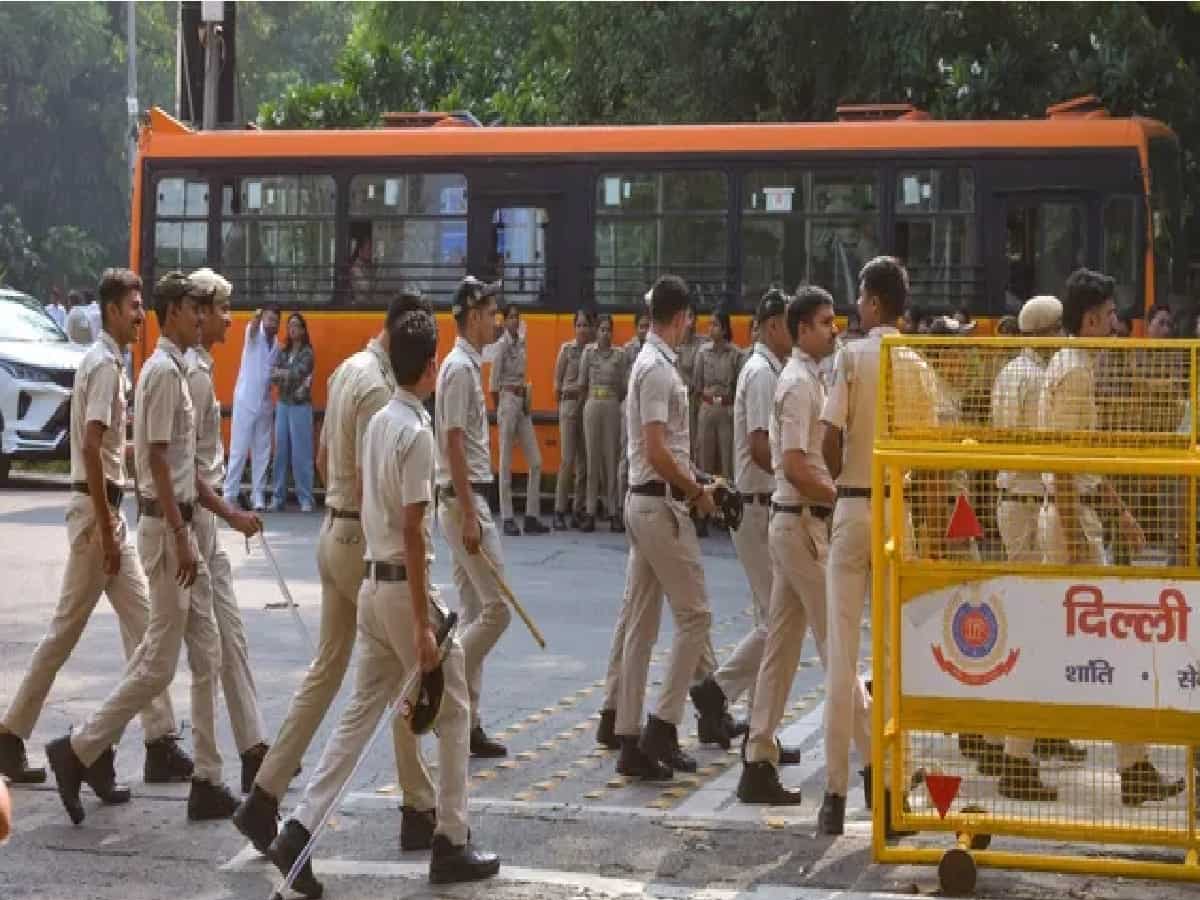
Defending its sweeping security arrangements and preemptive crackdowns across the national capital, the Delhi Police submitted an affidavit to the Supreme Court on Thursday clarifying why permission was denied for proposed mass demonstrations organized by the Cockroach Janata Party (CJP). The affidavit, placed on record by Delhi Police Commissioner Anurag Kumar, outlined that operational curbs and heightened vigilance were imperative to prevent widespread disruptions, safeguard critical constitutional institutions, and preserve public order across sensitive administrative corridors. Authorities emphasized that previous demonstrations spearheaded by the outfit on July 20 had descended into severe unrest, creating a credible risk that forced law enforcement agencies to enforce preventive protocols ahead of the scheduled demonstration targeting Chief Election Commissioner Gyanesh Kumar.
Over 7,000 Detained Across Capital: Key Leaders Hauled In Amid Strict Vigil
Law enforcement authorities informed the apex court that the administration was forced into high alert because organizers planned to march on Jantar Mantar despite explicit denials of statutory permissions, posing acute threats to diplomatic security, ongoing VVIP movements, and major international delegations stationed across central Delhi. To prevent unlawful assemblies from breaching core barricades, the Delhi Police carried out coordinated preventive containment drives across multiple entry points and jurisdictional districts, resulting in the detention of more than 7,000 individuals, including political leaders Mamata Banerjee and Arvind Kejriwal, alongside several advocates and party demonstrators. The commissioner explained that these large-scale administrative detentions were executed strictly to neutralize imminent security bottlenecks and thwart unlawful mobilization near strategic state buildings.
Transit Shutdowns and Raisina Hills Internet Blackout: Centre and Police Defend Curbs
The affidavit also detailed the phased operational curbs imposed on public transport networks, noting that the Delhi Metro Rail Corporation (DMRC) was directed to shut access gates at 45 crucial metro stations and reduce train frequency between 9:00 PM on October 9 and 6:00 PM on October 10 to stop swelling crowds from converging on sensitive security zones. Following subsequent directions from the Supreme Court, standard metro operations were formally restored by 10:00 PM on October 10. Concurrently, Union Home Secretary Govind Mohan submitted an affidavit addressing a contempt notice, vigorously defending the temporary suspension of mobile internet connectivity within a four-kilometer radius of Raisina Hills from 10:00 PM on October 9 to 10:00 PM on October 10, asserting that localized communication blackouts were crucial operational necessities to prevent real-time mob coordination around the seat of the Union government.




