







Russia, China, and Oman Push for Ceasefire as Trump Weighs US Intervention
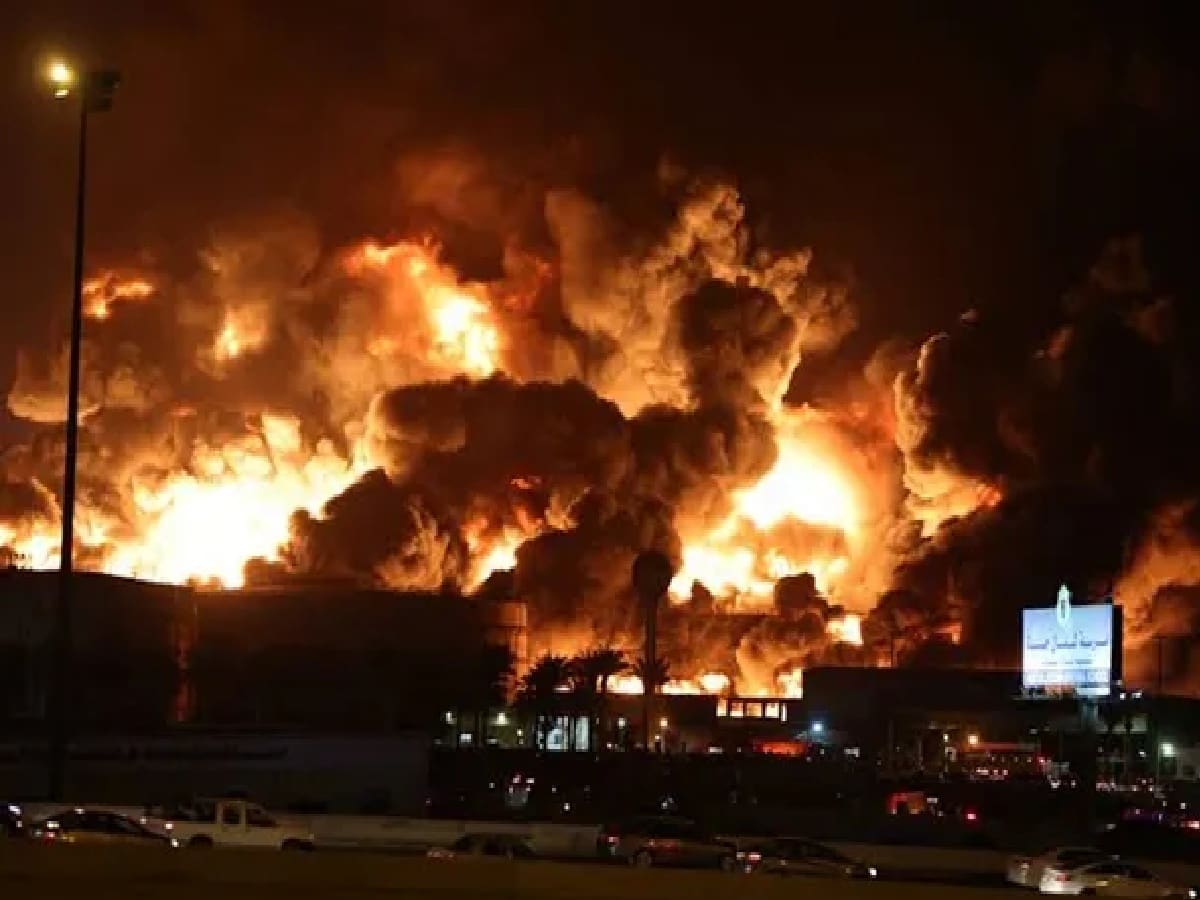
In one of the most brazen escalations since the start of the conflict, Iran-backed Houthi rebels launched a devastating ballistic missile barrage striking the corporate headquarters of global energy titan Saudi Aramco in Dhahran late Tuesday night, sparking a massive fire that ripped through the upper floors of the building. The high-precision strike directly impacted the top three levels of the administrative complex—the executive suites housing Aramco’s chief executive officer and senior corporate leadership—leaving three people dead as heavy flames spread to lower levels and sent thick plumes of black smoke across the Dhahran skyline. The coordinated offensive was accompanied by simultaneous missile and drone swarms targeting military and civilian hubs across the kingdom, including the capital city of Riyadh and Al-Kharj, prompting US President Donald Trump to announce that the United States is actively evaluating direct military involvement to protect regional stability and international energy supplies.
Dhahran Inferno and Riyadh Airport Toll: Coordinated Strikes Pummel Critical Infrastructure
The assault on Dhahran formed part of an expansive, multi-tiered aerial offensive that overwhelmed air defense rings, targeting strategic installations across central and eastern Saudi Arabia with a combination of ballistic projectiles, cruise missiles, and loitering drones. In Al-Kharj, cruise missiles targeted the perimeter of Prince Sultan Air Force Base and adjacent military compounds, while authorities in Riyadh scrambled to handle mounting casualties following earlier strikes on the capital’s international airport, where the confirmed death toll climbed to 18 with over 300 injured after several critically wounded individuals succumbed during emergency medical treatment. Houthi military spokespersons claimed the operations were launched in direct retaliation for Saudi airstrikes on Sanaa and rebel-controlled petroleum depots, asserting that Riyadh had received prior warnings. The ongoing wave of strikes since September has inflicted severe economic and operational damage across Saudi Arabia's oil production, commercial aviation, and tourism sectors, exposing critical vulnerabilities in the kingdom’s defense posture despite years of massive expenditures on cutting-edge American weaponry.
Russia, China, and Oman Step In for Truce as UN Flags Starvation Crisis for 600,000 in Taiz
With the conflict threatening to destabilize global oil flows and draw foreign superpowers into direct confrontation, international diplomatic backchannels have intensified to avert an all-out regional war. Muhammad al-Bukhaiti, a prominent member of the Houthi political bureau, confirmed that the government of Oman is actively mediating groundwork for formal negotiations, while delegations from Russia and China are intensifying multilateral diplomatic pressure to broker a ceasefire, noting that while the insurgents welcome peace initiatives, any agreement must constitute a permanent, binding settlement rather than a temporary pause. The military escalation on Saudi soil unfolds against a deteriorating humanitarian catastrophe inside Yemen, where the United Nations World Food Programme (WFP) issued an urgent alert warning that more than 600,000 civilians trapped in the government-held city of Taiz are facing acute starvation. Heavy combat along the city's outskirts and an encircling Houthi blockade have severed vital overland supply routes, cutting off essential food and medical convoys to vulnerable families.




