







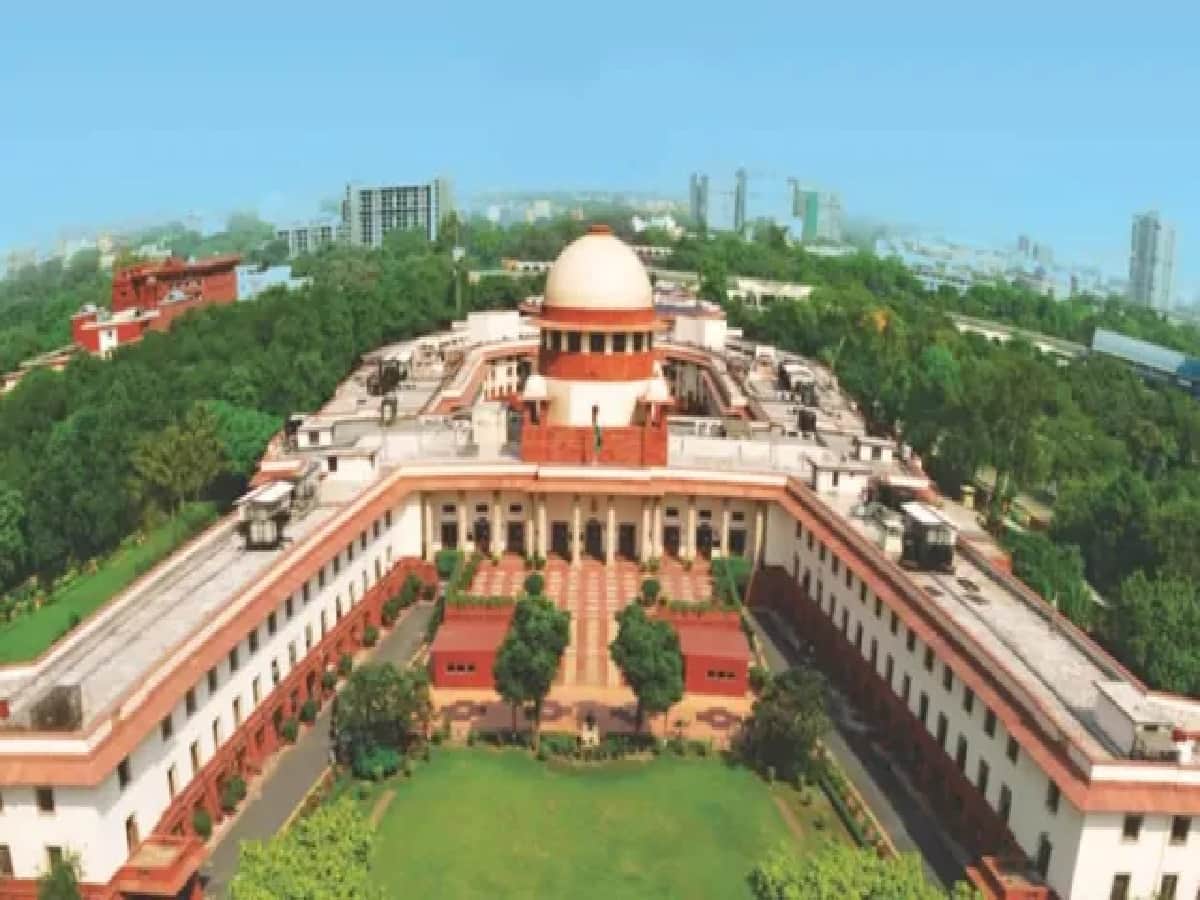
Rules Digital Footprints Cannot Be Demanded Without Solid Grounds
In a landmark defense of individual privacy and journalistic independence, the Supreme Court of India ruled on Thursday that police agencies cannot arbitrarily weaponize provisions of the Information Technology Act to requisition an accused person's retrospective digital footprints without verifiable, concrete justification. A bench comprising Chief Justice Surya Kant and Justice Joymalya Bagchi quashed a formal directive issued by the Ghaziabad Police to social media platform X (formerly Twitter), which sought the complete digital activity log of investigative journalist Abhishek Upadhyay dating back to June 1, 2026. The sweeping demand had been made under the guise of investigating an alleged August 18 road rage confrontation, a disproportionate measure the apex court condemned as a glaring overreach that threatens the fundamental right to privacy established under the Constitution of India.
Proportionality in Policing: Why the IT Act Cannot Override the Right to Privacy
Setting a firm procedural precedent for criminal investigations across the country, the Supreme Court stressed that statutory investigative powers must strictly adhere to the doctrine of proportionality. The bench observed that extracting extensive digital breadcrumbs, account metadata, and online communication trails cannot serve as a default investigative shortcut, affirming that such sensitive electronic data should only be requisitioned when investigators have formally recorded that all conventional evidential avenues have proved insufficient. While acknowledging that digital tracking remains a legitimate tool in dismantling complex criminal conspiracies and premeditated offences, the judges drew a sharp line against invoking these intrusive measures in routine disputes, particularly when state actions imperil press freedom and individual liberties. Finding an irreconcilable disconnect between a minor traffic altercation and an expansive demand for historic social media activity, the court explicitly barred the Ghaziabad Police from deploying or retaining any personal data retrieved from X during their inquiries.
Vehicle Release Ordered as Court Flags Misuse of Road Rage FIR Against Ayodhya Reporter
The apex court extended its interim protection shielding Upadhyay from coercive arrest on the condition of continued cooperation, while directly addressing allegations that the criminal case was engineered as a retaliatory fishing expedition. Appearing for the journalist, Senior Advocate Pradeep Rai and Advocate Anoop P. Awasthi submitted that the police had targeted Upadhyay after he broke a high-profile investigative report on June 7 exposing alleged misappropriation of devotee donations at the Ayodhya Ram Temple, arguing that the retroactive June 1 digital trail was sought specifically to identify his confidential whistleblowers. Dismissing the police commissioner's justification that social media logs were required because the reporter could not be traced for three days, the bench ordered the Ghaziabad authorities to unconditionally release and return the journalist’s impounded vehicle within forty-eight hours. The ruling sends an unmistakable message across law enforcement ecosystems that the state cannot manufacture minor penal pretexts to bypass constitutional shields protecting journalistic sources and personal privacy.




