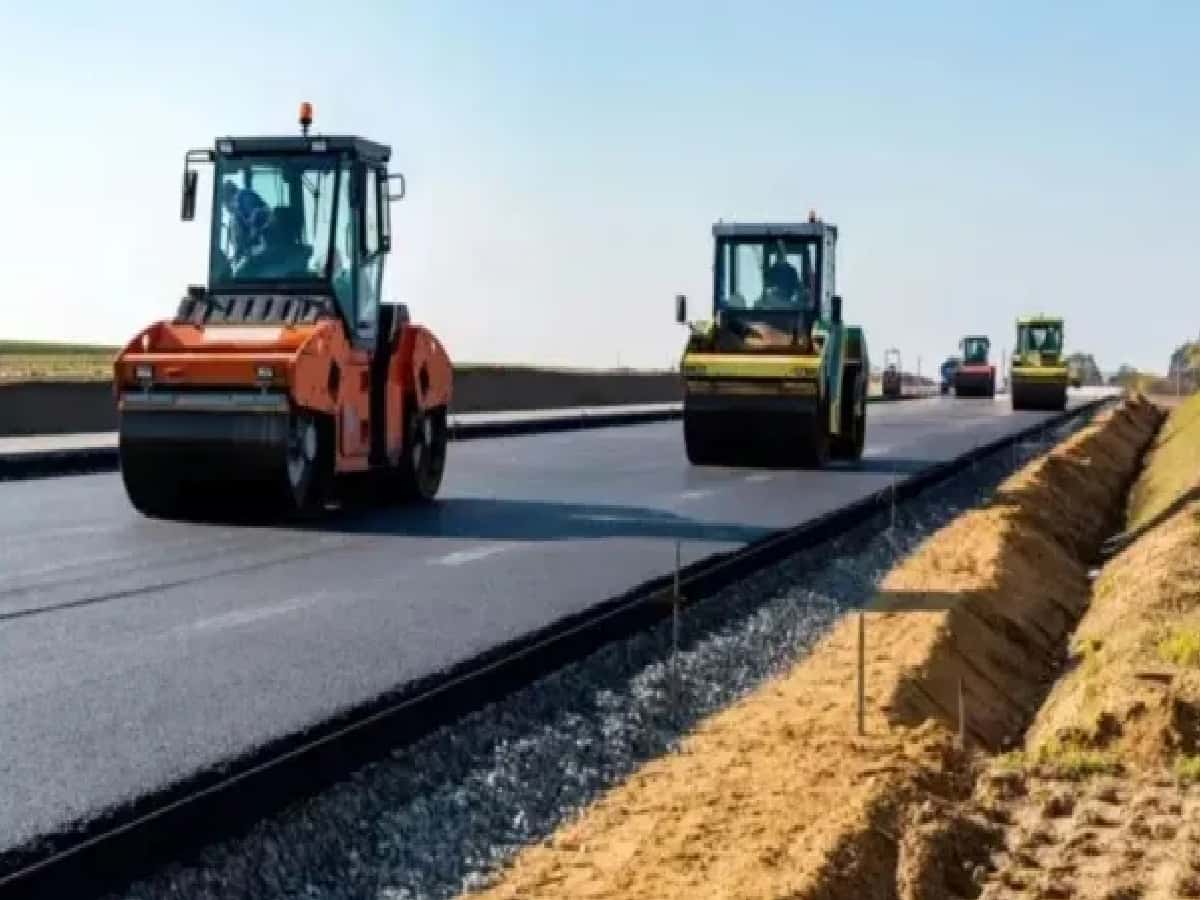
NHAI Makes AI-MC Mandatory for Highways Over 20 Km and ₹500 Crore
In a significant policy push to transform highway infrastructure standards across the country, the National Highways Authority of India (NHAI) has made Automated and Intelligent Machine-Aided Construction (AI-MC) mandatory for all upcoming national highway projects spanning longer than 20 kilometers and valued over ₹500 crore. Driven by the government's commitment to eliminating persistent quality defects and minimizing human error, this directive replaces traditional manual monitoring with advanced, real-time technology-based construction management.
Scope and Implementation of AI-MC Across Highway Layers
According to an official circular issued by the NHAI, contractors are now legally and contractually required to deploy AI-MC systems throughout the designated project areas. This high-tech compliance is compulsory across every major structural layer of highway construction:
-
Embankment: The foundational elevated soil structures.
-
Subgrade: The thoroughly compacted soil base.
-
Granular Sub-Base (GSB): The foundational matrix of crushed stone, sand, and gravel laid directly beneath the final paved surface.
While preliminary implementations of AI-MC were previously tested during select stretches of projects like the Lucknow-Kanpur Expressway, the new mandate ensures comprehensive, end-to-end utilization across the entire length of major arterial corridors.
What Is AI-MC Technology and How Does It Work?
Automated and Intelligent Machine-Aided Construction (AI-MC) integrates cutting-edge engineering with data science. The technology involves installing sophisticated on-board computers and GPS sensors onto heavy construction machinery—including graders, pavers, compactors, and dozers.
By leveraging real-time telemetry, AI-MC ensures that leveling, compacting, and paving are executed with absolute precision, matching pre-programmed engineering models down to the millimeter. Furthermore, the system automatically generates an unalterable digital footprint and audit trail for every single phase of construction, from initial earthwork to final surfacing.
Real-Time Data Sharing and Accountability
A core advantage of the newly enforced framework is the mandatory requirement for contractors to share live, real-time data streams directly with NHAI officials. Senior infrastructure experts note that continuous telemetry eliminates ambiguity: once contractors and authorities gain access to real-time performance metrics, the scope for sub-standard execution, material deviation, or lax oversight by sub-contractors is virtually eliminated. This transparency guarantees uniform durability, enhanced safety, and extended lifespans for India's evolving national highway network.