







Moscow Turns to Indian Refineries After Drone Strikes Destroy Key Facilities
In an unprecedented shift in global energy trade, Russia—typically a major exporter of refined petroleum—is now scrambling to import petrol from India. Following a series of devastating drone attacks by Ukraine that crippled a substantial portion of Russia’s domestic oil refining capacity, Moscow’s top energy giants have reached out to Indian refineries to plug a growing supply gap and avert a domestic fuel crisis.
Severe Impact on Russian Refining Capacity
The ongoing conflict has taken a heavy toll on Russia’s energy infrastructure. Reports indicate that approximately 40 percent of the nation's total refining capacity remains out of operation, with projections suggesting these facilities may take at least two months to return to full functionality, even if no further attacks occur. This disruption has left Moscow battling its most acute petrol shortage in recent years, forcing it to look toward its traditional trade partner, India, for relief.
India Steps In: From Crude Buyer to Petrol Supplier
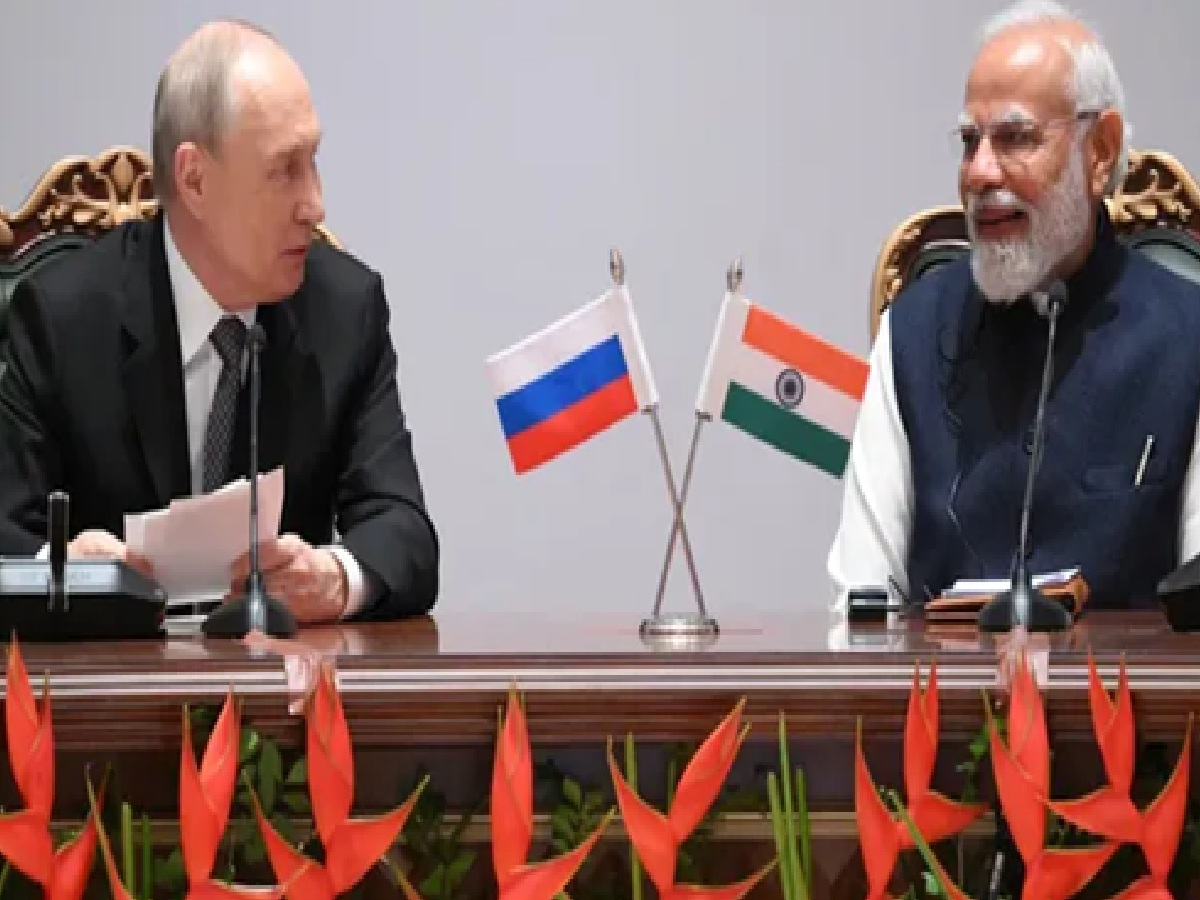
India, which has long been the primary buyer of Russian seaborne crude oil, is now reversing the flow of refined products. According to industry insiders, at least one shipment of petrol has already departed from an Indian port bound for Russia, with more cargo vessels expected to be dispatched in the coming days. This reversal underscores the strategic importance of the India-Russia energy corridor, highlighting how swiftly global trade dynamics can shift under the pressure of war.
Major Energy Giants Seeking Supplies
The outreach is being led by Russia’s energy heavyweights, including Rosneft, Gazprom Neft, and Lukoil. These companies have initiated talks with both private and state-owned Indian refining firms to secure consistent fuel supplies. If these negotiations are finalized, the petrol will be transported via third-party traders to maintain supply lines. While the volume of these imports remains a critical focus, the request itself highlights the deep operational damage inflicted by the Ukrainian offensive on Russia’s critical infrastructure.