






Madras High Court Dismisses PIL Against Foreshore Estate Construction
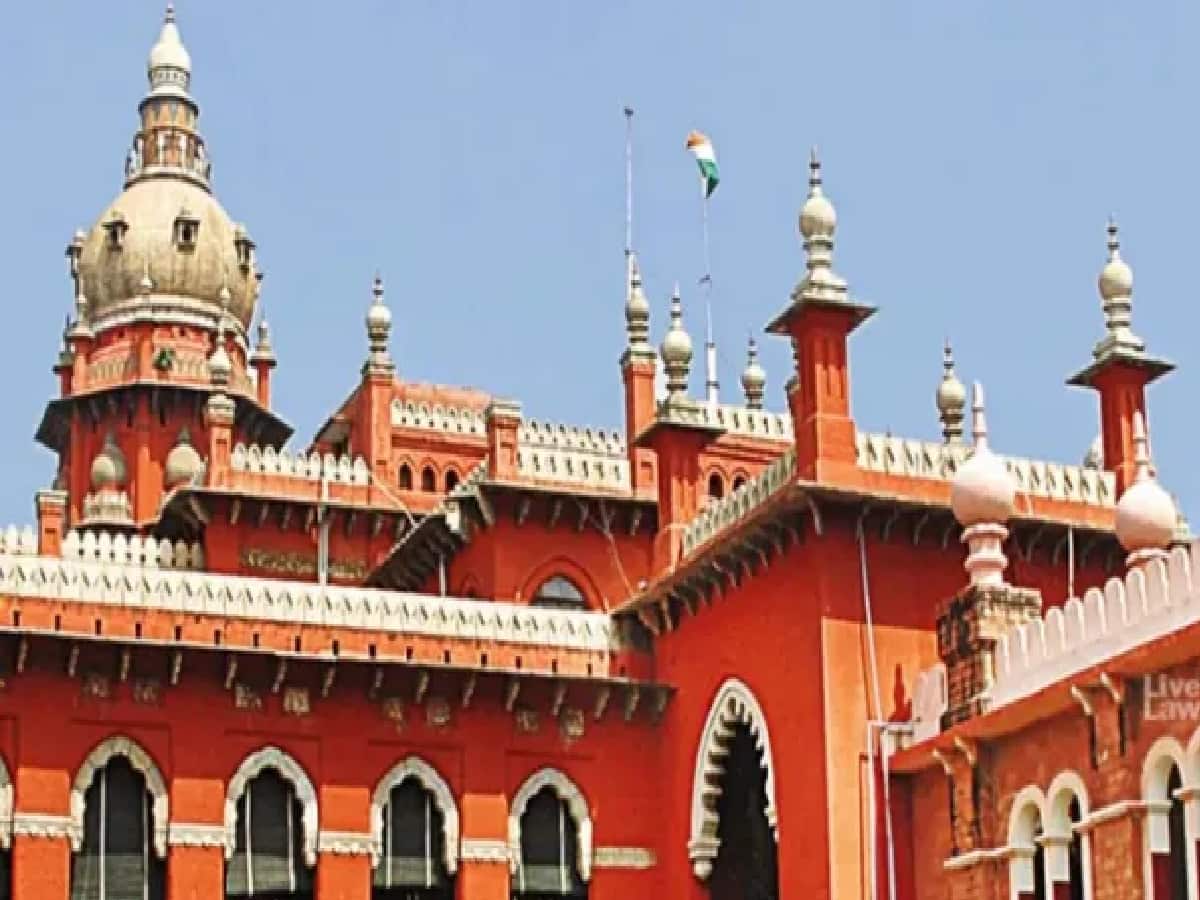
In a significant legal clearance for the Tamil Nadu state administration, the Madras High Court on Monday dismissed a Public Interest Litigation (PIL) that sought to stall the construction of a proposed new state secretariat complex. The petition specifically urged the court to issue a writ directing the Tamil Nadu government to scrap its plans to construct the administrative headquarters at Foreshore Estate along Chennai’s coastal stretch. The division bench, comprising Chief Justice S.A. Dharmadhikari and Justice G. Arul Murugan, refused to entertain the challenge, upholding executive discretion in policy decisions concerning public infrastructure development.
Severe Judicial Reprimand: Bench Slams Lack of Homework and Research in PIL Filing
During the hearing of the petition filed by advocate R.S. Tamilvendan, the petitioner argued that the proposed construction—projected at an estimated cost of ₹1,200 crore—would amount to an egregious squandering of taxpayers' money while adversely jeopardizing the livelihoods of local fishing communities residing in the coastal belt. Unconvinced by the arguments, the division bench severely reprimanded the counsel for misuse of public interest jurisdiction. The judges observed in open court that litigants must comprehend the true essence and responsibility of filing a PIL, stressing that the petitioner should have conducted thorough homework and baseline research before approaching the bench. The court sharply questioned the premise of the petition, asking what constitutional or statutory authority empowered the judiciary to dictate or restrict where the government decides to erect its administrative buildings.
Heavy Cost Warning Prompts Withdrawal: Government Retains Sovereign Discretion
Faced with a stern rebuke and the imminent prospect of substantial punitive financial costs being imposed for frivolous litigation, the petitioner promptly appealed to the court for permission to withdraw the plea. Acknowledging the request, the bench dismissed the matter as withdrawn, formally terminating the proceedings without granting any relief. The dismissal removes an immediate legal hurdle in the way of Tamil Nadu's administrative infrastructure ambitions, reinforcing the established legal doctrine that judicial review does not extend to second-guessing executive policy choices regarding public civil works locations unless explicit statutory violations are proven.