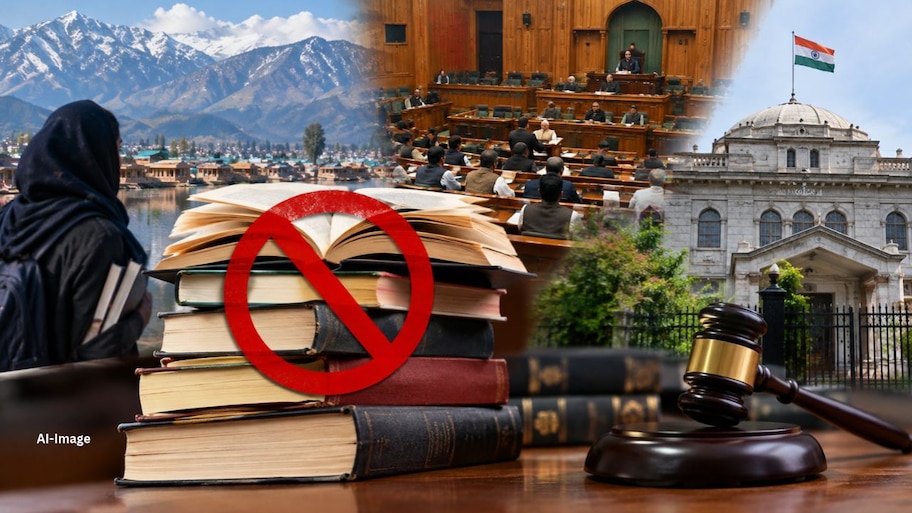
Jammu and Kashmir Book Ban Controversy: Why Assembly and High Court Are Locked in a Massive Legal Battle
The political and legal landscape in Jammu and Kashmir has ignited over an unexpected controversy involving a ban on certain books. What started as an administrative decision has quickly snowballed into a fierce debate reaching from the legislative assembly chambers all the way to the High Court, drawing intense scrutiny from legal experts, politicians, and the public alike.
The Spark Behind the Controversy
The core of the issue began when authorities restricted the circulation and availability of specific educational and political titles across public and academic institutions in the region. Critics and opposition leaders immediately raised alarms, viewing the move as an infringement on intellectual freedom and democratic expression. While government officials defended the directive as a necessary measure to maintain public order and curriculum alignment, the lack of transparent communication regarding the selection criteria fueled widespread suspicion and outrage among civil society groups.
Clash in the Legislative Assembly
As the assembly session commenced, opposition legislators disrupted proceedings demanding an immediate reversal of the order. Heated exchanges between treasury benches and opposition members brought legislative work to a standstill. Lawmakers opposing the restriction argued that censoring literature sets a dangerous precedent for a democratic society, stifling critical thinking and historical discourse among the youth. In response, administration representatives maintained that the restrictions were implemented strictly in accordance with statutory guidelines to prevent the spread of sensitive content capable of disturbing communal harmony.
Legal Battle Moves to the High Court
With political debates yielding no immediate resolution, civil rights activists and publishers moved the Jammu and Kashmir High Court to challenge the legality of the ban. Petitioners argue that the sweeping restrictions violate fundamental constitutional rights, including freedom of speech and expression under Article 19. The High Court has sought comprehensive affidavits from the administration detailing the exact legal provisions and committee reports that justified the censorship. Legal analysts are closely monitoring the proceedings, as the court's verdict could establish a major legal precedent regarding government authority over literature and academic freedom in sensitive regions.