







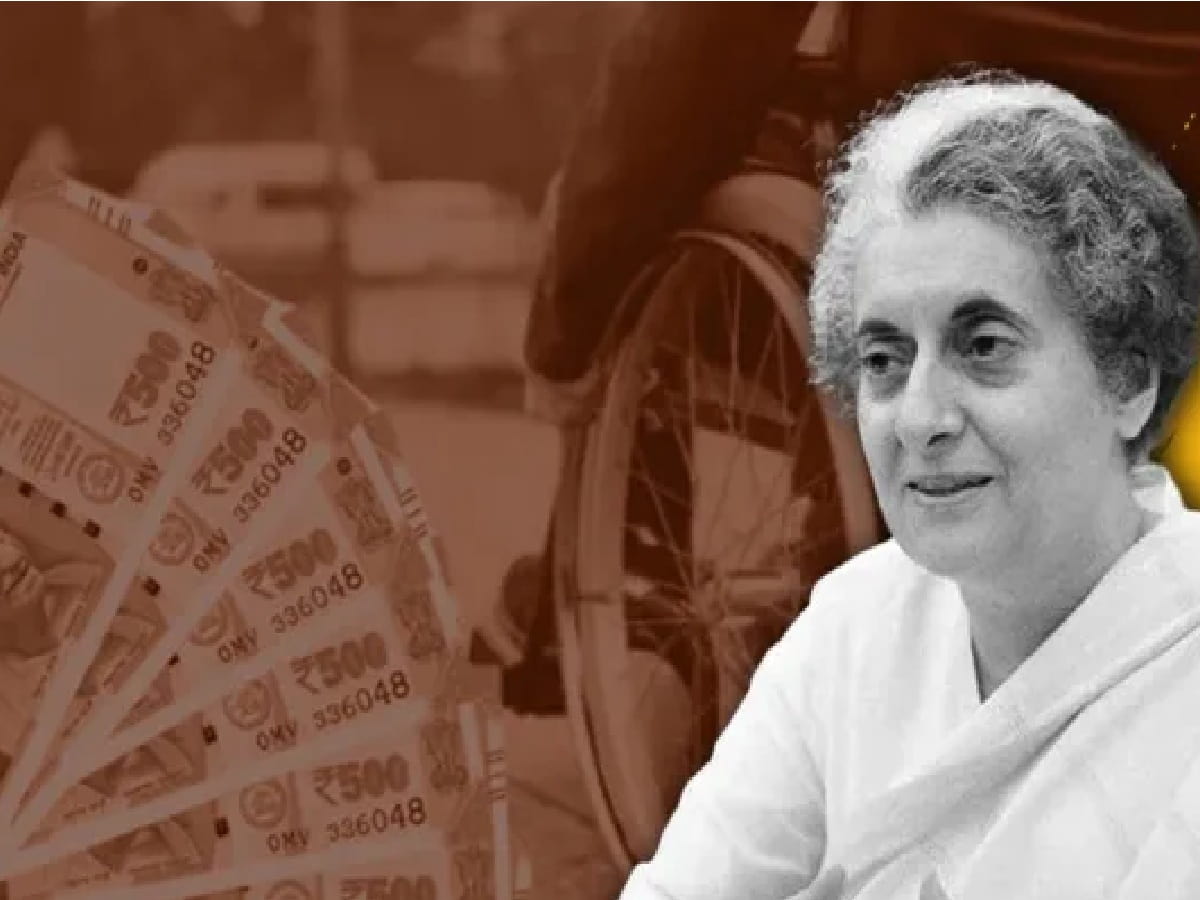
Indira Gandhi's Name from 3 Pension Schemes, Slashes Disability Criteria to 40%
In a landmark decision reshaping India’s grassroots welfare framework, the Union Cabinet chaired by Prime Minister Narendra Modi approved a comprehensive restructuring of the country's flagship social safety net, extending the National Social Assistance Programme (NSAP) for another five years through 2031. Operating under a substantial financial commitment of ₹53,428 crore, the revitalized program has been officially rechristened as the "Prime Minister's Social Assistance Scheme." Geared toward safeguarding over 32 million underprivileged citizens across the nation—including senior citizens, widowed women, and differently-abled individuals—the Cabinet’s decision brings sweeping changes to governance nomenclature alongside significant legislative enhancements designed to deepen financial inclusion across rural and urban landscapes.
From Indira Gandhi to PM Schemes: Inside the Cabinet's Nomenclature Shift
A central highlight of the Cabinet's approval is the formal removal of former Prime Minister Indira Gandhi's name from three prominent social welfare sub-schemes, bringing their operational titles directly under the Prime Minister's umbrella branding. Under the revised framework, the Indira Gandhi National Old Age Pension Scheme has been renamed the PM Old Age Pension Scheme, the Indira Gandhi National Widow Pension Scheme will now operate as the PM Widow Pension Scheme, and the Indira Gandhi National Disability Pension Scheme has been re-designated as the PM Divyangjan Pension Scheme. This systematic branding shift follows a similar policy transition executed in December of last year, when the central government renamed the Mahatma Gandhi National Rural Employment Guarantee Act (MGNREGA) to the Vikasit Bharat - Guarantee for Employment and Livelihoods Mission (Rural), reinforcing a standardized administrative identity across flagship centrally sponsored welfare missions.
Landmark Overhaul for Divyangjan: Payouts Raised, Eligibility Threshold Slashed to 40%
Beyond administrative renaming, the Union Cabinet introduced crucial reforms to disability pension allocations, significantly widening access and enhancing direct benefit transfers. To ensure rigorous compliance with the statutory provisions of the Rights of Persons with Disabilities Act, 2016—which mandates that state financial aid for persons with disabilities must be at least 25 percent higher than benefits provided to other vulnerable categories—the monthly assistance for beneficiaries aged between birth and 79 years has been raised from ₹300 to ₹375 per month. For senior disabled beneficiaries aged 80 years and above, the monthly pension has been increased from ₹500 to ₹625 per month. Crucially, the government has halved the minimum benchmark disability criteria for eligibility from 80 percent down to 40 percent, an inclusive policy modification projected to extend direct financial lifelines to more than 27.48 lakh newly eligible Divyangjan beneficiaries across India.




