







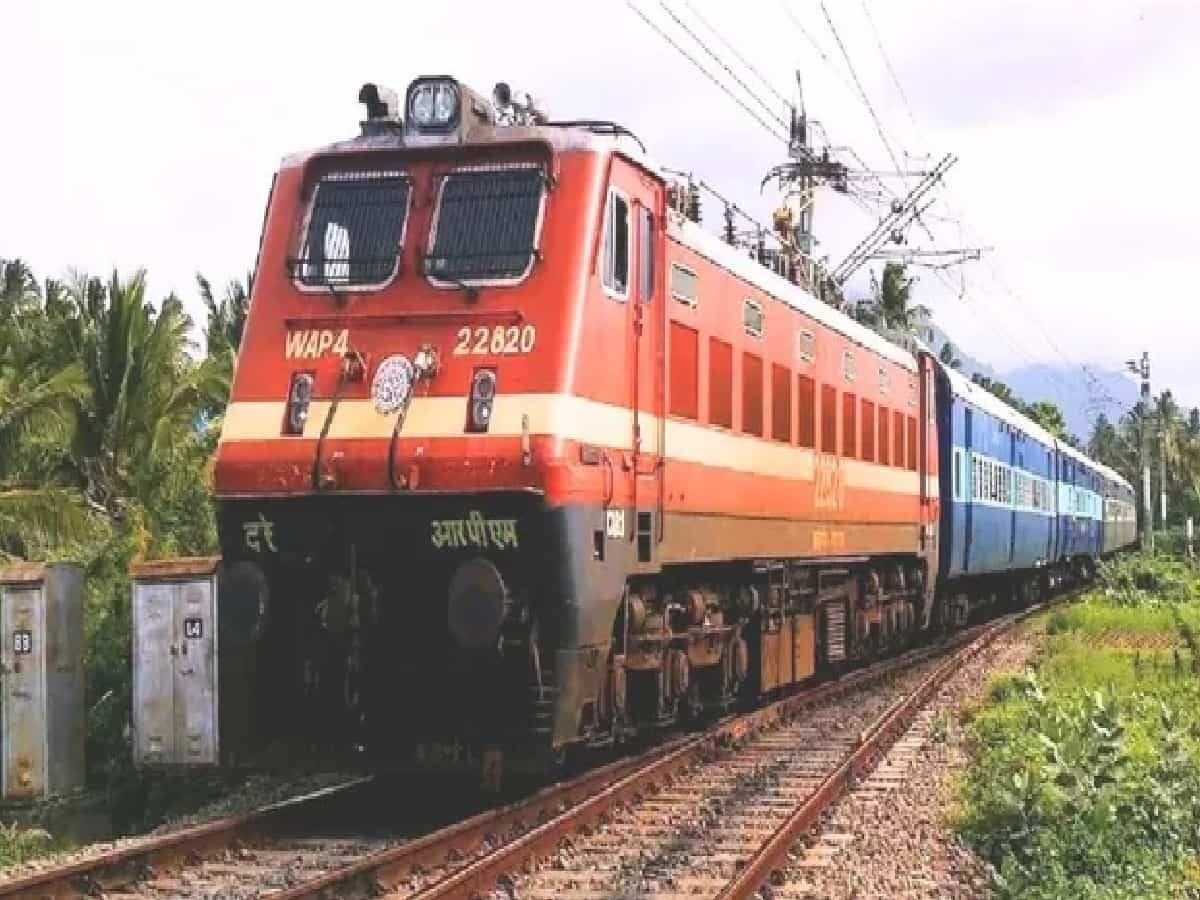
Indian Railways May Scrap RAC Rules to End Half-Seat Travel
For millions of train travelers across India—from busy junctions in New Delhi, Lucknow, Varanasi, and Patna to major terminals in Mumbai, Kolkata, and Bengaluru—securing a confirmed railway ticket during peak travel seasons often feels like winning a lottery. When all regular berths sell out, Indian Railways relies on its long-standing Reservation Against Cancellation (RAC) quota to accommodate extra travelers, permitting two passengers to share a single side-lower berth. Now, in a move that could reshape everyday rail travel nationwide, the Ministry of Railways is seriously reconsidering whether to abolish the RAC facility altogether. Under current railway norms, a single sleeping berth is designed for one individual passenger, yet an RAC ticket legally entitles two separate travelers to occupy half of the same berth for the entire duration of their journey. While the system guarantees the right to board a reserved coach, spending an overnight or 24-hour journey seated upright on half a berth has long been a source of physical discomfort and passenger frustration.
Why Indian Railways Is Reconsidering the Decades-Old RAC System
According to recent official deliberations, Indian Railways is reviewing the RAC provision in response to growing passenger convenience concerns and the need to modernize rules inherited from an earlier era. The RAC framework was originally introduced decades ago when railway ticket reservations were processed manually through physical ledgers, long before computerized Passenger Reservation Systems (PRS) could dynamically track cancellations and vacant berths in real time. At that time, splitting side-lower berths between two passengers provided a practical buffer so trains would not depart with empty seats caused by last-minute cancellations.
Today, however, modern digital ticketing, real-time chart preparation, and handheld terminals used by Train Ticket Examiners (TTEs) allow Indian Railways to reallocate cancelled berths instantaneously. Senior railway officials acknowledge that maintaining an outdated shared-berth model on long-distance express and superfast trains conflicts with the national transporter’s broader push toward upgraded passenger comfort and modern rolling stock. Notably, Indian Railways has already phased out RAC tickets in Sleeper coaches on newer Amrit Bharat Express trains—where passengers receive either a fully confirmed berth or a waitlisted status—and has avoided shared-berth configurations on new Vande Bharat Sleeper services, signaling a clear policy direction toward one-passenger-one-berth travel.
Full Fare for Half a Berth: Parliamentary Panel and Passenger Concerns
At the heart of the debate over RAC rules is a fundamental question of fairness in ticket pricing. Currently, a passenger allotted an RAC ticket in Sleeper, Third AC (3A), or Second AC (2A) pays the exact same full base fare and reservation charges as a traveler enjoying a dedicated, full-length sleeping berth. A senior railway official noted that there is a growing internal consensus that charging a passenger the full fare when the system cannot guarantee proper sleeping space is inappropriate.
This financial anomaly has also drawn formal scrutiny from a Parliamentary Standing Committee, which recently questioned the rationale behind collecting full fares from RAC ticket holders. The parliamentary panel recommended that Indian Railways review the existing arrangement to ensure citizens are not forced to pay 100 percent of the ticket price without receiving the benefit of an individual berth. Across social media and consumer forums, frequent travelers from Uttar Pradesh, Bihar, Maharashtra, and southern states have consistently echoed two core demands: either guarantee every reserved passenger an individual sleeping berth by scrapping RAC, or reduce RAC fares to half until a full berth is allotted.
Onboard Challenges for Women Travelers and Ticket Examiners
Beyond physical fatigue during overnight journeys, the RAC system frequently triggers practical and privacy challenges inside crowded coaches. Under existing coach layouts, Indian Railways typically earmarks seven side-lower berths for 14 RAC passengers in Sleeper class, five berths in Third AC, six berths in LHB coaches, and three berths in Second AC. Because automated seat allotment algorithms pair RAC ticket numbers sequentially without always separating unrelated travelers, a single narrow side-lower berth is often shared by an unacquainted male and female passenger.
When an unrelated man and woman are assigned to share the same sleeping space overnight, both travelers often experience acute awkwardness and discomfort. In such situations, passengers routinely approach onboard Train Ticket Examiners (TTEs) requesting a berth reassignment. However, on fully booked trunk routes—such as New Delhi–Patna, Mumbai–Gorakhpur, or Lucknow–Bengaluru—TTEs face major operational hurdles in finding vacant berths to separate co-passengers, leading to disputes and stress for both travelers and railway staff.
How RAC Works During Peak Chhath and Diwali Rush—And What Comes Next
Despite its drawbacks, policy planners recognize that eliminating RAC requires careful balancing, especially during intense seasonal travel surges. Right now, trains across every state—particularly corridors serving Uttar Pradesh, Bihar, Jharkhand, and West Bengal—are witnessing massive crowds due to the Diwali and Chhath Puja festive rush. Under current Indian Railways enforcement rules, boarding a reserved Sleeper or AC compartment with an unconfirmed waiting-list ticket is strictly prohibited and attracts heavy penalties. For travelers who must undertake urgent journeys during festivals, medical emergencies, or exams, an RAC ticket currently serves as a crucial legal lifeline that permits boarding and guarantees at least a seated spot.
If Indian Railways decides to scrap the RAC facility nationwide, officials will need to pair the reform with expanded coach capacity, additional special trains, and faster dynamic quota releases so that overall passenger carrying capacity does not shrink. While a final formal notification is still under active consideration by the Railway Board, eliminating half-berth travel promises to bring long-awaited comfort, dignity, and fairness to millions of rail passengers across India.




