







India Saves $100B in Fuel Imports as Clean Energy Crosses 300 GW
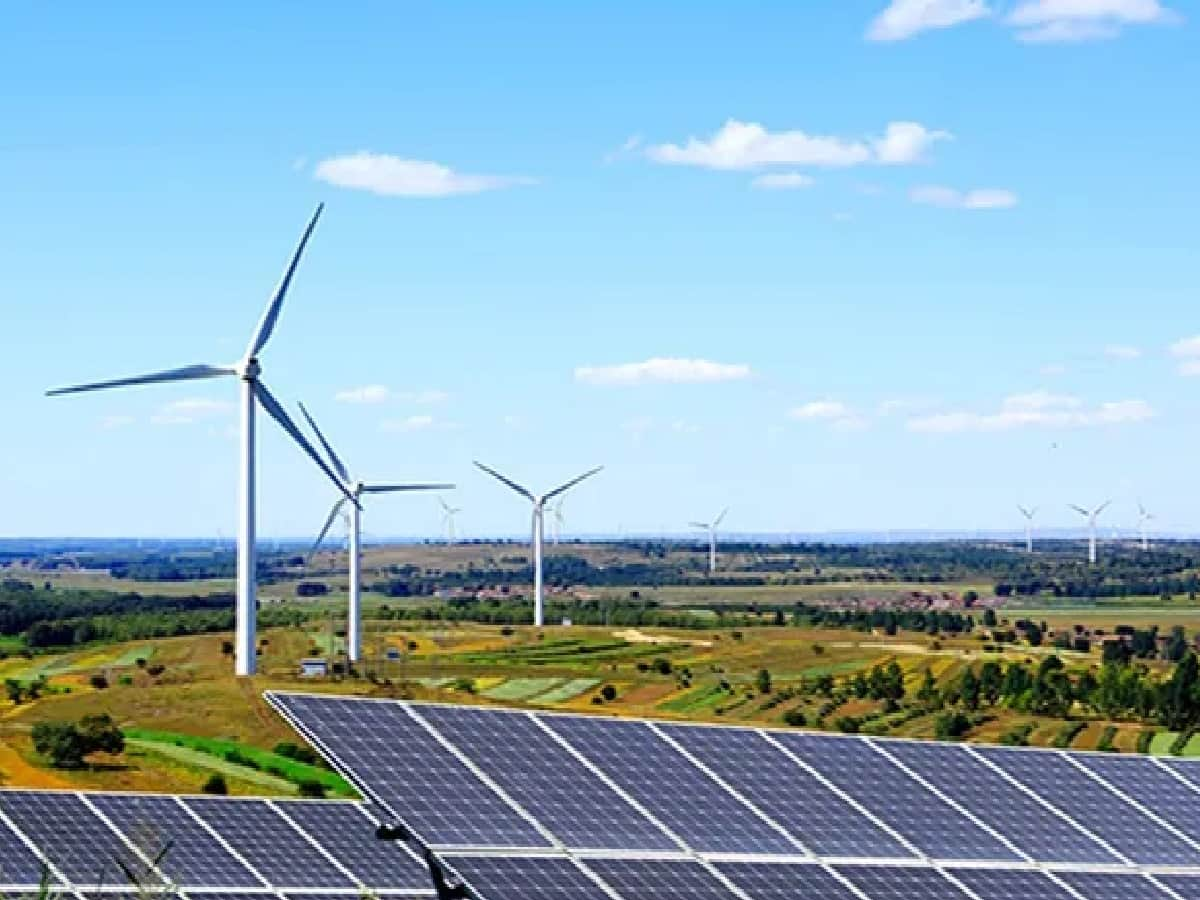
India’s rapid transition toward green power has delivered a massive boost to national economic stability and energy sovereignty, generating cumulative savings exceeding $100 billion on coal and liquefied natural gas (LNG) imports between 2011 and 2025. Unveiled at the India Renewable Energy Summit 2026, the newly published 'India Renewable Energy Market Report 2026' by the International Energy Agency (IEA) reveals that the nation’s renewable power generation fleet has nearly quadrupled over the past decade, officially surging past the landmark 300-gigawatt (GW) threshold in 2026. The sustained expansion cements India’s standing as the world’s second-fastest-growing renewable energy market, proving how targeted domestic reforms and private capital mobilization have begun decoupling rapid economic growth from foreign fossil fuel dependency.
Beating Targets 5 Years Early: Path to 530 GW by 2030 and the $100B Fuel Windfall
The global energy watchdog highlighted that India achieved a monumental climate milestone by fulfilling its target of 50 percent non-fossil fuel power generation capacity in 2025—a full five years ahead of its original 2030 deadline. Looking forward, the IEA estimates that India’s total clean energy capacity could scale to around 530 GW by 2030, provided the country maintains consistent capital deployment into grid modernization and supporting energy storage infrastructure. Detailing the fiscal insulation provided by this clean energy surge, the report emphasizes that substituting domestic renewable power for thermal generation successfully shielded the Indian economy from severe commodity volatility and external shocks, saving more than US$100 billion in avoided fossil fuel import bills over the past 15 years while stabilizing domestic utility costs.
Global Energy Security and Modernized Grids: IEA Chief & Union Minister Pralhad Joshi Speak
Acknowledging India’s pivotal role in reshaping the global energy landscape, IEA Executive Director Fatih Birol remarked that during a period marked by escalating instability and supply friction in international fuel markets, India’s sustained expansion of renewable energy is providing significant dividends for overarching energy security. Addressing the summit, Union Minister Pralhad Joshi stated that the central government is focused on scaling up domestic manufacturing of solar and wind equipment, attracting large-scale private investment, and strengthening national transmission networks to meet rising industrial power demand. Joshi stressed that modernizing the interstate power grid and expanding domestic module manufacturing will ensure uninterrupted, affordable electricity for all citizens while insulating the nation from global energy volatility.




