







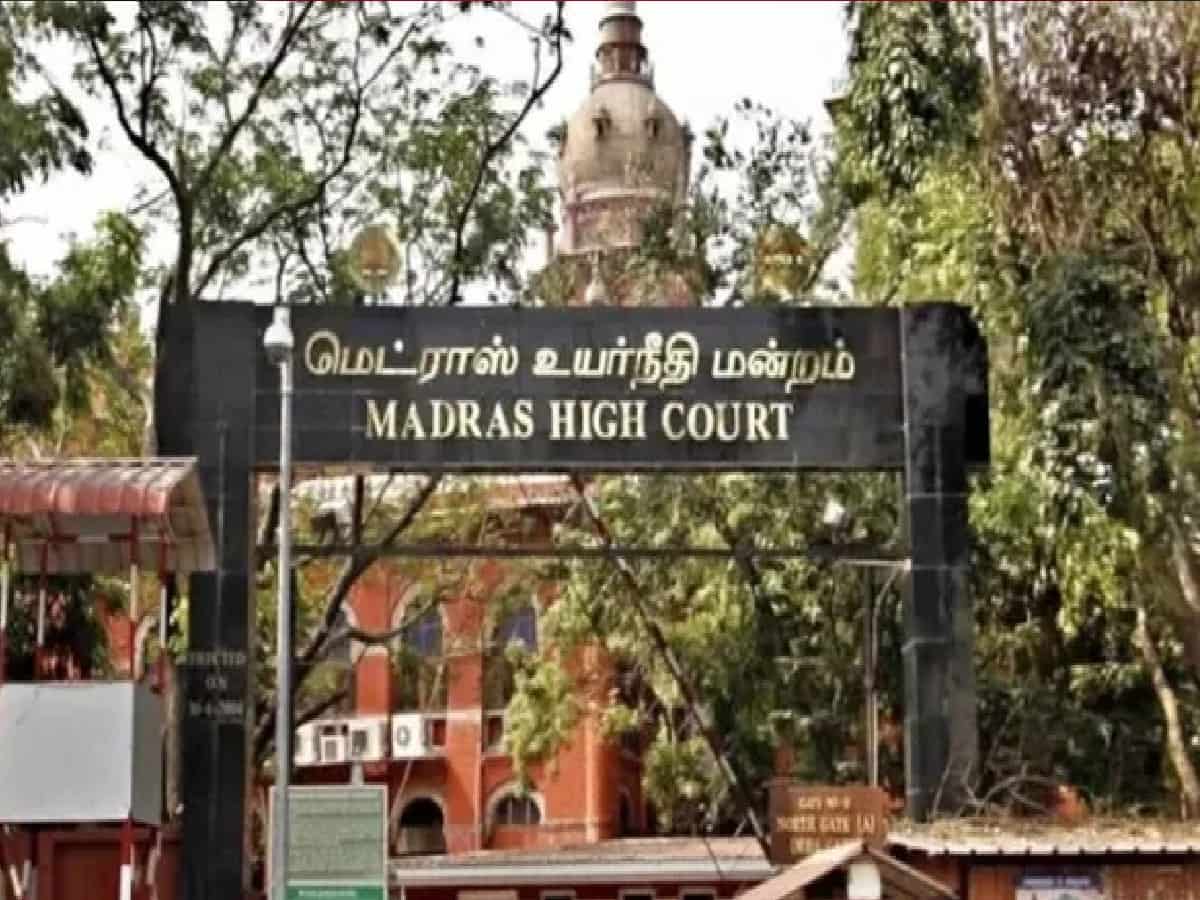
'If RSS Can March in J&K, Why Ban: Madras HC Rebukes Tamil Nadu Govt Over Rally Curbs
The Madras High Court issued a sharp rebuke to the Tamil Nadu state administration over its recurrent refusal to grant permissions for Rashtriya Swayamsevak Sangh (RSS) route marches across the state, questioning the statutory justification behind these bans when identical processions are routinely permitted in sensitive border regions like Jammu and Kashmir. Hearing a batch of petitions challenging the state police's administrative denial, the high court expressed grave dissatisfaction with the executive's entrenched pattern of stonewalling public assembly applications. The bench underscored that peaceful assembly is a constitutionally recognized civic liberty and held that administrative authorities cannot deploy arbitrary executive prohibitions to bypass standard crowd-management and law-and-order protocols.
'Citizens Treated as Enemies': Justice Lakshminarayanan Condemns Blanket Prohibitions
Censuring the executive's recurring refusal to engage constructively with organizers, Justice V. Lakshminarayanan verbally criticized the state government for creating unnecessary legal logjams by consistently dismissing rally requests without verifiable security grounds. The bench observed that the administration’s restrictive approach has not been confined to the RSS alone, noting that ideologically distinct groups, including the Dravida Kazhagam, have faced similar bureaucratic pushback when seeking permissions for public demonstrations. In an oral remark, the court noted that the state machinery appears to be treating citizens seeking permission to hold peaceful marches and processions as adversaries, pointing out that routine, blanket rejections compel socio-political organizations to move the judiciary, burdening court rosters with administrative issues that should be managed by local law enforcement.
Coordinate for Modalities: High Court Directs Constructive Approach for Peaceful March
Steering the dispute toward practical resolution, the Madras High Court ordered the state government to abandon its rigid stance and initiate proactive dialogues with the petitioners and event organizers. The bench instructed police authorities and administrative officials to collaborate directly with the organizers to formulate mutually agreeable ground arrangements, route alignments, and procedural safeguards that ensure the procession and public gathering conclude without endangering public order or traffic flow. Stressing the necessity of a positive administrative attitude, the court emphasized that maintaining peace requires executive facilitation and clear regulatory conditions rather than outright, repeated bans on civic expression.




