







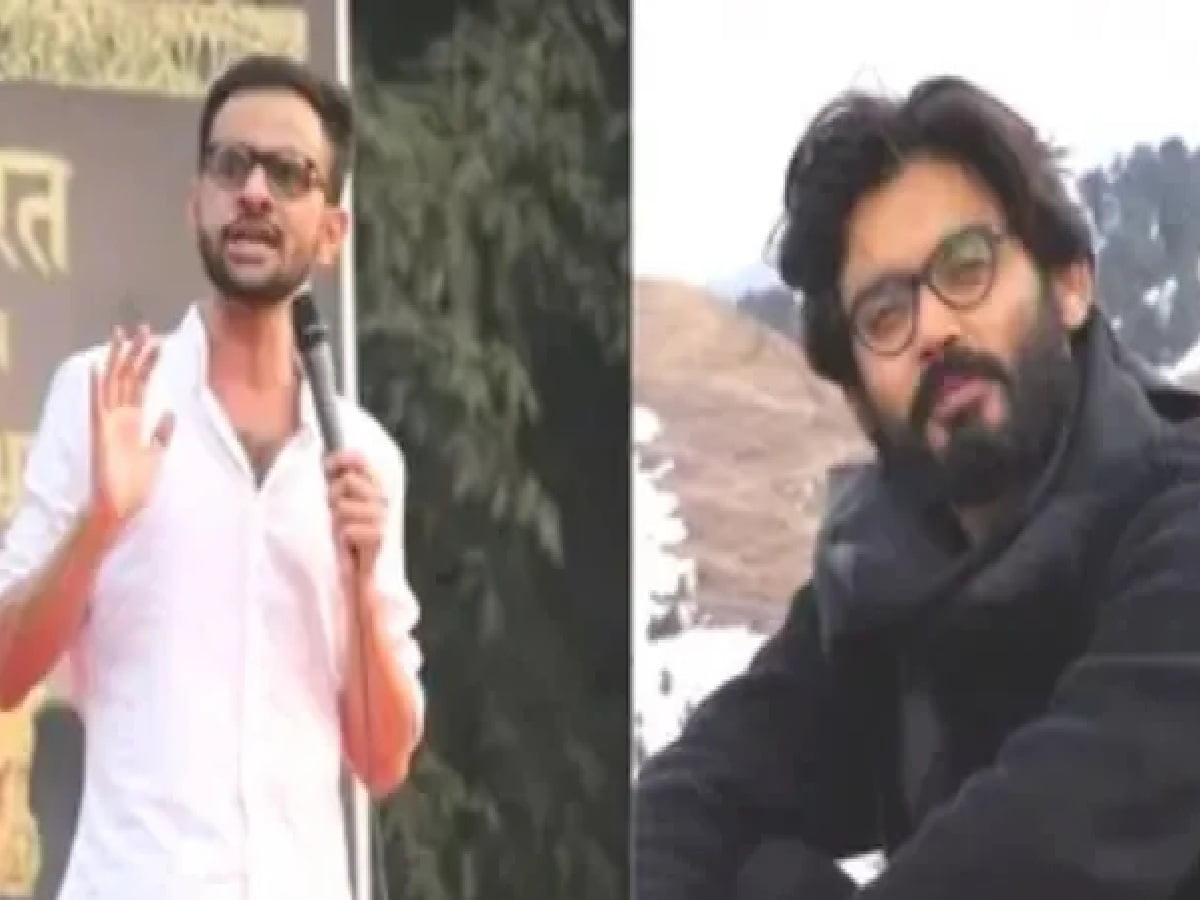
Former SC Judge Sanjay Kishan Kaul on Bail Denial to Umar Khalid & Sharjeel Imam
Former Supreme Court judge Justice Sanjay Kishan Kaul has voiced deep concern over the growing trend of prolonged pre-trial detention within the Indian judicial system, specifically addressing the denial of bail to student activists Umar Khalid and Sharjeel Imam. Speaking to news agency ANI ahead of the release of his forthcoming memoirs, the retired jurist underscored that protracted legal proceedings in India often turn the pre-verdict phase into a punishment in itself. Justice Kaul asserted that securing bail should fundamentally remain a regular procedural norm rather than an exceptional relief, arguing that keeping citizens in custody for years before conviction or acquittal subverts basic legal principles, even while recognizing that special anti-terror statutes create stringent legislative barriers against standard bail relief.
'Bail Cannot Be a Punishment': Justice Kaul Flags Endless Custody and Statutory Hurdles
Explaining his judicial approach toward individual liberty, Justice Kaul pointed out that his philosophy on the bench had always remained liberal, anchored in the principle that bail can never be treated as a punitive measure. Incarceration as a penalty, he emphasized, is legitimate only after a trial concludes with a conviction, yet the structural realities of the Indian legal framework often subject undertrials to years behind bars while evidence is slowly examined. While acknowledging that stringent legislations like the Unlawful Activities (Prevention) Act (UAPA) contain express statutory limitations restricting judicial discretion, he expressed surprise at how entrenched prolonged detention without trial has become in sensitive cases. Justice Kaul also referenced his extensive discussions with fellow apex court jurist Justice M.M. Sundresh—who authored key rulings laying down custody and bail guidelines—noting that multiple judges have consistently written and spoken out about the pressing need to understand why undertrials are forced to languish in jail for years without a final outcome.
2020 Delhi Riots UAPA Case and Memoir 'Without Fear or Favour'
The former judge's remarks arrive in the context of the communal violence that shook Northeast Delhi in February 2020 during protests against the Citizenship (Amendment) Act (CAA) and the proposed National Register of Citizens (NRC), an episode that claimed 53 lives and left over 700 injured. The Delhi Police booked both Umar Khalid and Sharjeel Imam under the UAPA for allegedly orchestrating a "larger conspiracy" behind the riots, with their bail petitions facing successive rejections across multiple judicial forums, including by the Supreme Court on January 5. Justice Kaul's pointed reflections on personal liberty, institutional delays, and the delicate balance between state security and civil rights form a central theme of his upcoming memoir, titled "Without Fear or Favour." Co-authored with Jai Vinayak Ojha and scheduled for publication on October 31, 2026, the book offers an insider look into the constitutional dilemmas facing modern Indian courts and the ongoing struggle to prevent procedural delay from eroding individual freedoms.




