El Nino Drought: Centre Cuts Food Grain Output Target to 373.93 MT
Factoring in the emerging disruptive impacts of El Nino and irregular monsoon precipitation patterns, the Central Government has recalibrated India's national foodgrain production target downward to 373.93 million tonnes for the 2026-27 agricultural crop year (July–June). Announcing the revised benchmark on Tuesday, Union Agriculture and Farmers Welfare Minister Shivraj Singh Chouhan stated that the target reflects a decrease of 2.63 million tonnes compared to the actual realized record output of 376.56 million tonnes achieved during the preceding 2025-26 cycle, though it remains well above the baseline target of 362 million tonnes initially framed for that previous year. The revised aggregate includes a production target of 196.21 million tonnes for the ongoing Kharif 2026 season and 177.72 million tonnes for the upcoming Rabi sowing window, providing an adaptive operational buffer to stabilize India's domestic food buffer stocks and strategic reserves.
Climate-Resilient Cropping: Shifting from Thirsty Crops to Pulses and Oilseeds
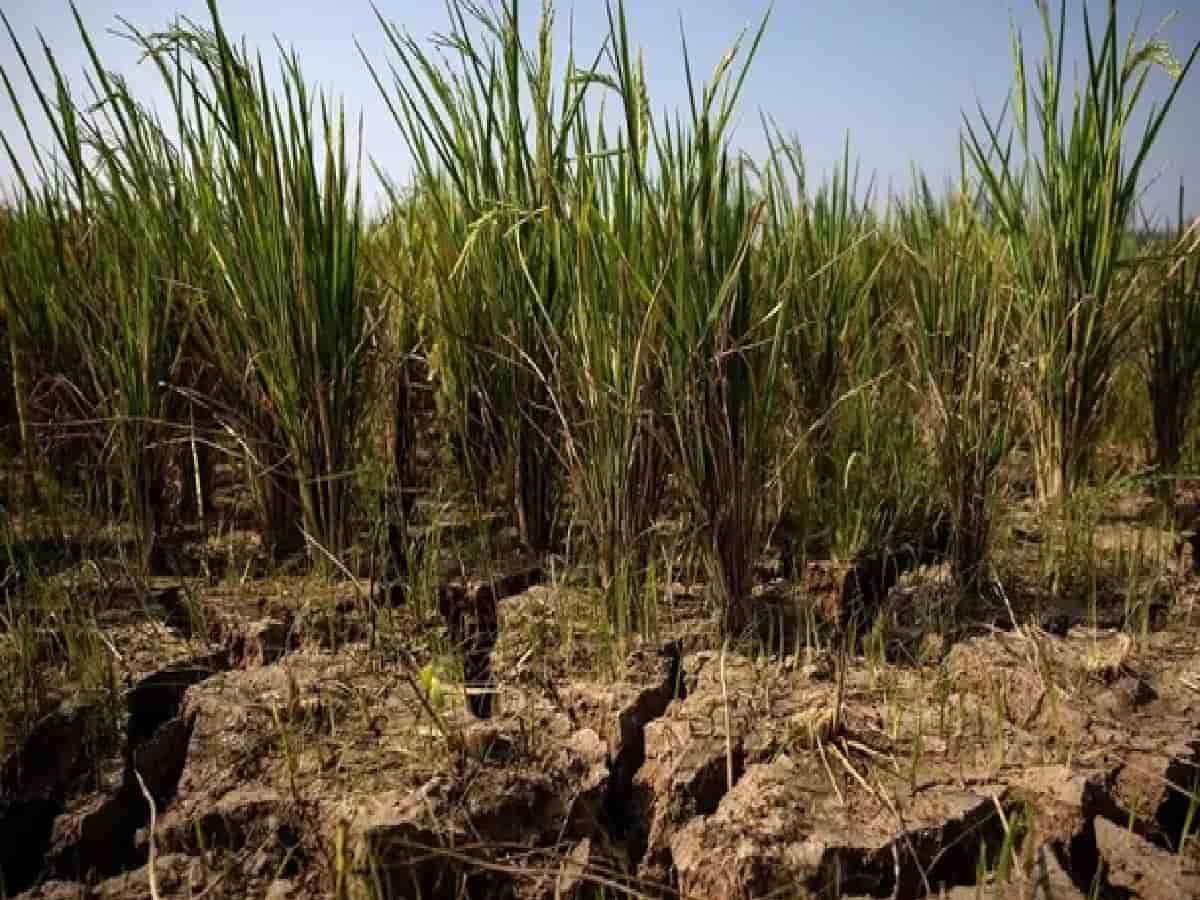
Explaining the scientific methodology guiding the policy revision, the Agriculture Minister noted that agricultural scientists and meteorologists conducted rigorous assessments of Pacific atmospheric El Nino parameters, regional reservoir capacities, and subsoil moisture levels across vital agro-climatic zones. Addressing an aggregate monsoon rainfall deficit of approximately 12 percent recorded during the core Kharif window, the Ministry has rolled out structured crop diversion advisories across vulnerable districts with depleted irrigation storage. State agriculture directorates have been instructed to aggressively encourage farmers to substitute water-intensive staple crops like paddy and sugarcane with drought-tolerant, low-water pulses and oilseeds, thereby optimizing available moisture reserves and insulating marginal farmers from catastrophic yield contractions.
Ground Reality in Five States: Central Inspection Teams and Global Market Linkages
The Central Government officially acknowledged that acute drought-like stress has gripped key agrarian territories across Karnataka, Maharashtra, parts of Andhra Pradesh (including the Rayalaseema belt), Telangana, and western sectors of Rajasthan during the Kharif cycle. Following formal requests submitted by the state administrations of Karnataka and Maharashtra, the Centre is coordinating multi-ministerial teams to assess on-ground crop damage and mobilize National Disaster Response Fund (NDRF) support mechanisms. In tandem with immediate relief logistics, the Union Government is initiating an extensive nationwide outreach initiative designed to link distressed farmers directly to lucrative international agri-export channels. Under this outreach drive, agrarian communities are being educated on utilizing zero-tariff market windows secured under India’s newly operational Free Trade Agreements (FTAs), foreign export quality standards, and high-demand offshore commodities, empowering domestic growers to offset localized production headwinds by tapping into global trade prospects.