







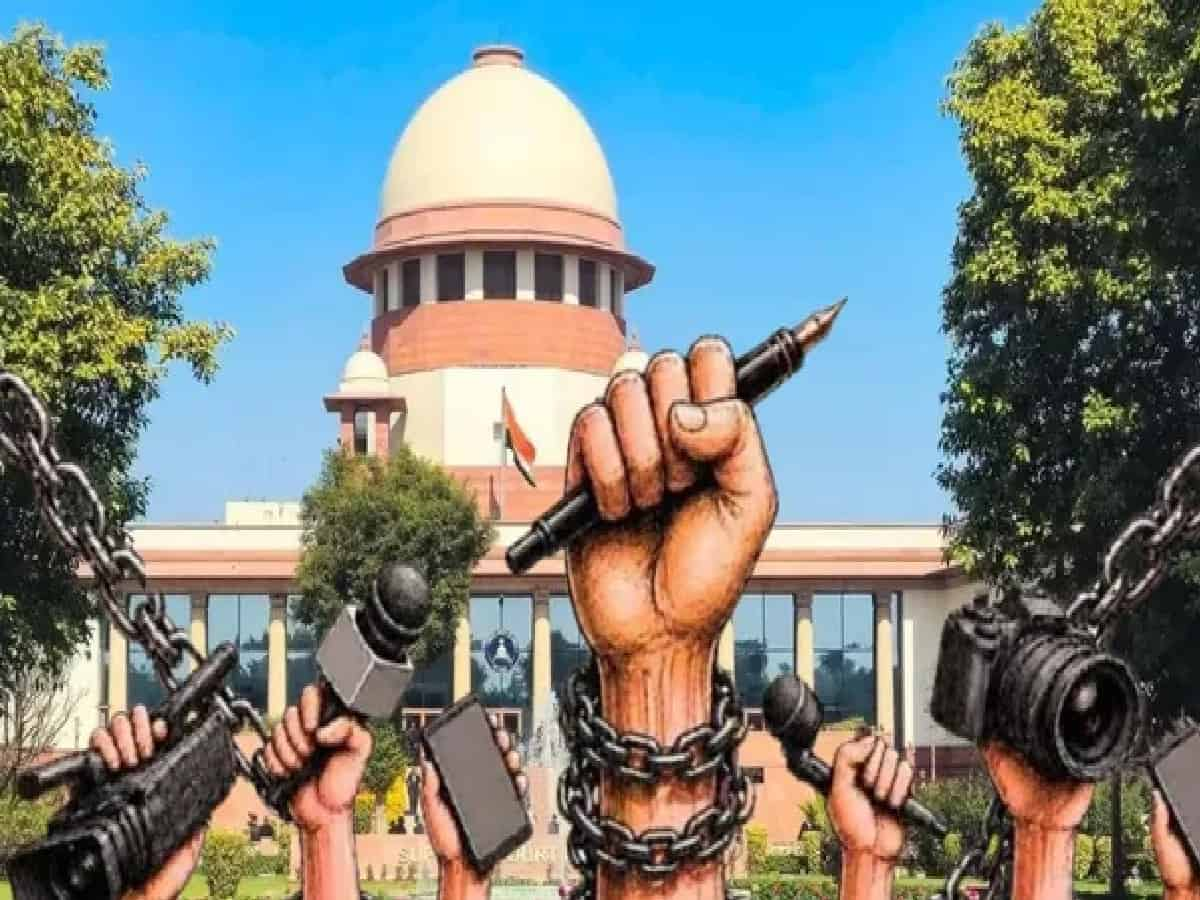
DNPA Moves Supreme Court Against DPDP Act and Mandatory Consent Rules
The Digital News Publishers Association (DNPA), representing 21 premier Indian media organizations, has moved the Supreme Court challenging the constitutional validity of the Digital Personal Data Protection (DPDP) Act, arguing that mandatory consent, lack of journalistic exemptions, and curbs on RTI infringe upon Articles 14 and 19(1)(a).
In a landmark legal challenge defending independent journalism and constitutional guarantees, the Digital News Publishers Association (DNPA) has formally approached the Supreme Court of India, challenging the constitutional validity of multiple provisions of the Digital Personal Data Protection (DPDP) Act and its corresponding regulatory rules. Representing 21 of India’s leading print and digital media organizations, the association contends that the statutory framework introduces stringent procedural hurdles that threaten to cripple the everyday functioning of the Fourth Estate. By imposing rigid compliance mechanisms on publishers, editors, ground reporters, and correspondents without carving out a categorical exemption for news reporting, the petition argues that the enactment constitutes a direct attack on press freedom and severely curtails the public’s fundamental right to know.
'Notice, Prior Consent, and Data Erasure': Why Newsrooms Call DPDP Provisions Unworkable
At the core of the constitutional challenge filed before the apex court is the assertion that the DPDP framework makes routine journalistic operations virtually impossible to execute. The petition specifically seeks to invalidate Sections 7, 17(2), 18, 19, 27, 29, 36, 37, 44(3), and Section 40 of the DPDP Act, as well as Rules 16, 17, and 23 framed under the statute, asserting that they violate fundamental rights guaranteed under Articles 14 (Right to Equality) and 19(1)(a) (Freedom of Speech and Expression). The association highlights that subjecting news organizations to obligations such as "notice and prior consent," "verifiable consent," and "compelled data erasure" directly conflicts with investigative newsgathering. In instances involving political exposes, corporate fraud probes, or public interest exposés, obtaining prior consent from subjects of investigative reporting is inherently impractical, creating a chilling effect that endangers the work of professional reporters, citizen journalists, whistleblowers, and RTI activists who hold public authorities accountable.
Section 44(3) Under Fire: Dismantling the Historic Balance Between Privacy and RTI
The legal challenge raises acute concerns regarding Section 44(3) of the Act, which broadly excludes personal information from public disclosure, even when the data directly pertains to public functions and official activities. According to the petition, this sweeping provision obliterates the nuanced equilibrium that has been maintained over the last two decades between the citizens' right to privacy and the statutory right to access governance records under the Right to Information (RTI) Act. By shielding individuals engaged in public affairs behind an impenetrable privacy barrier, the framework imposes excessive and disproportionate restrictions on the freedom of speech, expression, and news dissemination. The DNPA maintains that by failing to recognize journalistic processing as a protected, autonomous category of data handling, the law undermines the core tenets of democratic accountability, urging the Supreme Court to intervene and uphold the constitutional independence of the Indian press.




