







Cyclone Arnab Ravages Odisha & Andhra: 59,000 Evacuated, 72 Trains Cancelled
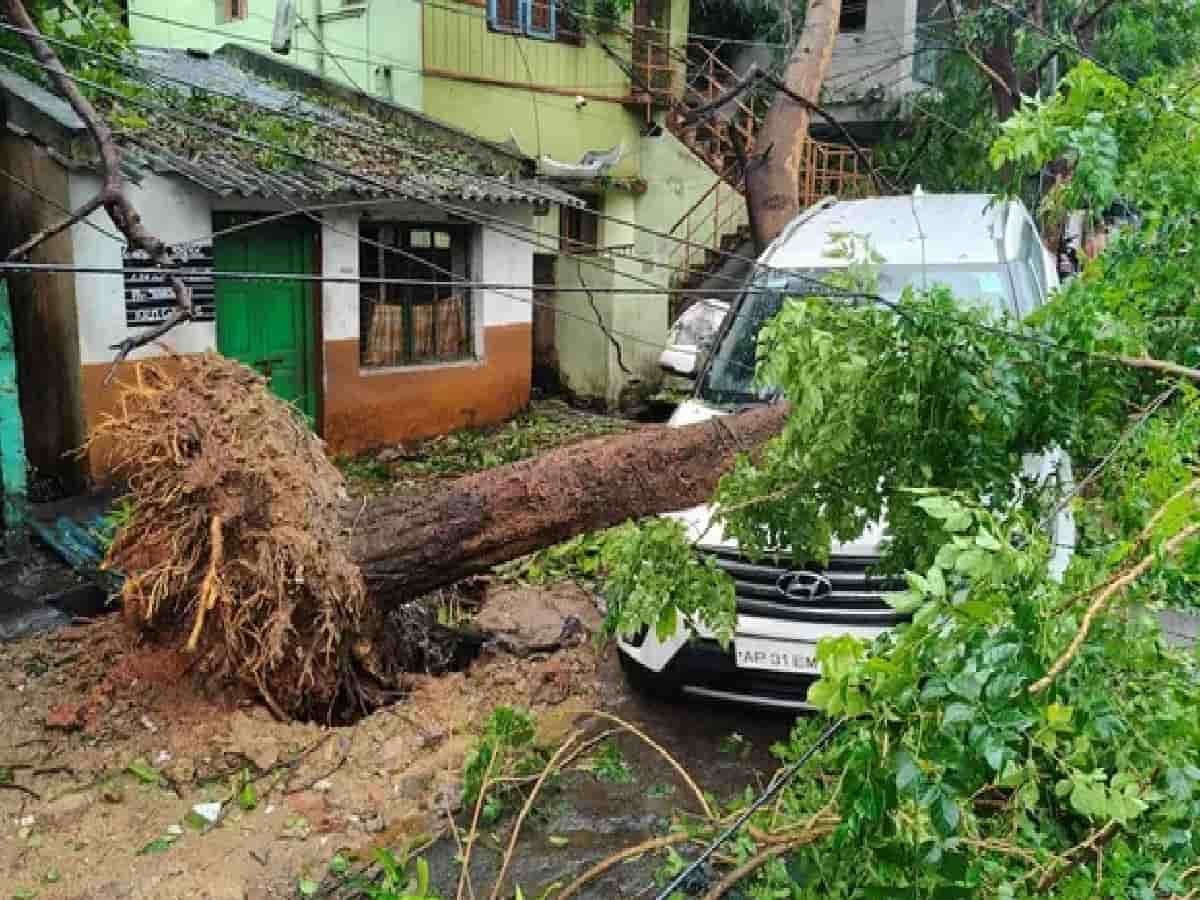
Cyclone Arnab, originating as a severe atmospheric disturbance in the Bay of Bengal, has battered eastern coastal corridors, severely disrupting daily life across nine southern and western districts of Odisha and triggering catastrophic flooding in over 1,000 villages across Ganjam and Gajapati. In response to the escalating humanitarian crisis, the Odisha state government deployed 313 specialized disaster management teams—including nine National Disaster Response Force (NDRF) units, 60 Odisha Disaster Rapid Action Force (ODRAF) formations, and 244 Fire Service squads—to execute high-risk flood evacuations. Rapidly rising waters entering residential settlements forced the urgent relocation of 59,028 people to secure multipurpose cyclone shelters, with Ganjam district alone accounting for 11,882 displaced individuals. With widespread inundation paralyzing interior pockets, district administrations have mobilized emergency logistics to airlift 2,328 stranded citizens from marooned terrains across Gajapati and Ganjam, while Union Home Minister Amit Shah conducted direct telephone reviews with Odisha Chief Minister Mohan Charan Majhi, along with the Chief Ministers of Andhra Pradesh, Chhattisgarh, and Puducherry, guaranteeing full central military and financial assistance to manage the unfolding disaster.
1,000 Villages Inundated and NH-326 Severed: Emergency Infiltration Across Southern Odisha
The geographical impact within Odisha remains most acute across Gajapati, where over 700 villages have been isolated, and Ganjam, where more than 300 villages are reeling from intense waterlogging, alongside severe localized damage across Malkangiri, Koraput, Rayagada, Nabarangpur, Kalahandi, Nuapada, and Kandhamal districts. Confirming the operational footprint, Odisha Disaster Management Minister Suresh Pujari stated that field deployments have been heavily reinforced in the worst-hit zones, stationing 45 ODRAF and seven NDRF teams in Ganjam, alongside 12 ODRAF and one NDRF unit in Gajapati. Infrastructure took a severe blow in Gajapati’s Mohana block, where flood torrents completely washed away a 300-meter stretch of National Highway 326, severing vital regional supply lines. Concurrently, neighboring Andhra Pradesh witnessed the storm-related death toll rise to seven after an 11-year-old child lost his life following a tragic wall collapse in Guntur district during intense nocturnal deluges.
Bahuda River Breaches Danger Mark: Rail Transit Crippled and Coast Guard Rescues Stranded Cargo Crew
Interstate transit networks have faced massive disruption after the Bahuda River, flowing along the Andhra Pradesh-Odisha border, breached its critical danger threshold, inundating railway tracks on the trunk Howrah-Chennai corridor. The resulting track submergence forced railway authorities to cancel 72 trains, reroute 68 others, and reschedule eight services, with East Coast Railway cancelling 24 trains and diverting 22, while South Coast Railway suspended 12 services and rerouted eight. Aviation corridors were similarly impaired; IndiGo flight 6E 7463 from Kolkata to Ranchi was forced to circle for 20 minutes before aborting its landing at Birsa Munda Airport due to severe crosswinds and low visibility, returning safely to Kolkata. In a high-seas emergency off the Andhra Pradesh coastline, the Indian Coast Guard launched an airborne operation to evacuate 20 maritime crew members from the 180-meter-long, Marshall Islands-flagged cargo ship Sigma Pearl, which ran aground in rough sea swells while en route to Singapore, with helicopter rescue sorties continuing to evacuate the remaining seven crew members trapped on board.
Multi-State Ripple Effect: Delhi Red Alert, Bastar's Pink Skies, and Over 1,200 Cyclone Deliveries
The peripheral circulation of the cyclonic system has triggered widespread weather anomalies across central and northern India, producing persistent showers across Patna and all districts of Bihar, alongside storm advisories and 40 km/h wind warnings across 33 districts in Madhya Pradesh. In West Bengal, a comprehensive storm alert remains active with torrential downpours forecasted for Kolkata, Howrah, Hooghly, and North 24 Parganas. The system generated a viral meteorological spectacle in southern Chhattisgarh's Bastar, Dantewada, and Kanker on the evening of October 27, where high-altitude cyclonic cirrus clouds suspended at 7.5 kilometers scattered twilight rays to turn the evening sky an eerie reddish-pink, as explained by meteorologist HP Chandra. Farther north, the cyclone pulled cold currents into Uttar Pradesh, delivering sudden showers from Lucknow to Sonbhadra and driving a steep temperature drop, while the national capital territory of Delhi was placed under escalating yellow, orange, and ultimate red alerts following day-long overcast conditions and widespread heavy precipitation. Amid the regional turmoil, healthcare administrations registered an extraordinary humanitarian triumph: in Andhra Pradesh, where 3,100 high-risk expectant mothers were preemptively hospitalized, medical teams safely delivered 367 infants during the storm, while hospitals across Odisha successfully oversaw the birth of 931 babies, with numerous families celebrating survival by naming their newborn boys Arnab and daughters Varsha.




