Could 30 Days in Jail Cost a Minister Their Job? New Bill Set for Monsoon Session
A significant shift in India’s political accountability framework is on the horizon. The Joint Parliamentary Committee (JPC) is expected to greenlight its report on the 130th Constitutional Amendment Bill on July 17, paving the way for its introduction in the upcoming monsoon session of Parliament. At the heart of this proposed legislation is a clause that could change the future of governance: the automatic removal of Prime Ministers, Chief Ministers, and Central or State Ministers from office if they remain in judicial custody for 30 consecutive days due to serious criminal charges.
The Core of the Proposed Amendment
As the JPC reconvenes this month, insiders suggest that the most debated provision—mandatory removal from office after 30 days of judicial detention—will remain intact. The bill is designed to enforce higher standards of integrity for those holding public office. Proponents of the move argue that individuals facing prolonged incarceration for serious offenses should not continue to wield executive power, as it undermines the sanctity of their roles. However, the proposal has ignited a fierce political firestorm, with critics cautioning that such a law could easily be weaponized to destabilize elected state or central governments through strategic, politically motivated legal investigations.
Balancing Accountability and Political Stability
Despite the intense pushback from various stakeholders during the committee's deliberations, the JPC is reportedly moving forward without gutting the core mandate. To address the widespread concerns regarding potential abuse, the committee is expected to incorporate specific "safeguards" within the final report. These mechanisms are aimed at preventing the law from being used for political vendettas or ulterior motives, ensuring that the provision is only triggered in legitimate cases of serious criminal conduct.
What to Expect in the Monsoon Session
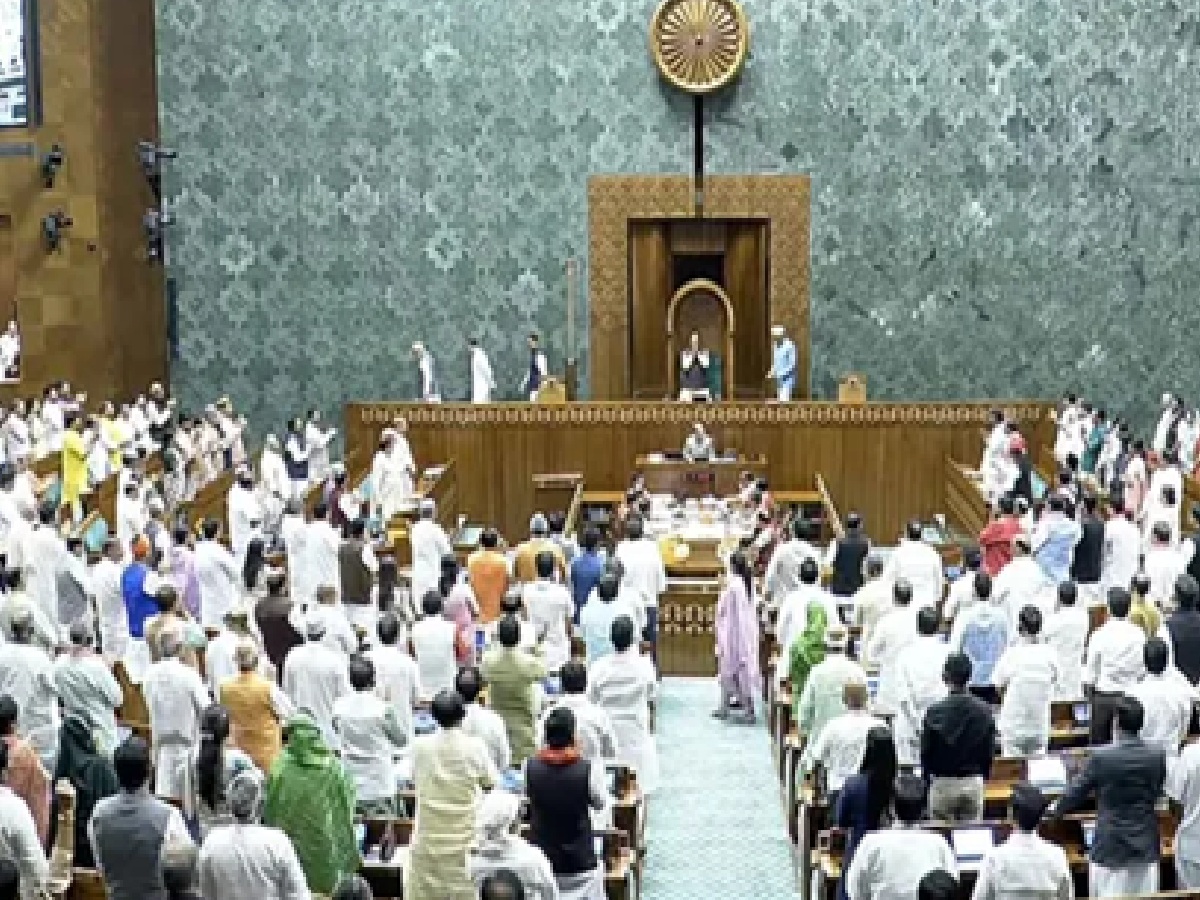
The timing of this report suggests that the government is eager to fast-track the 130th Constitutional Amendment Bill during the monsoon session. If passed, this would mark a major legislative precedent in Indian politics, fundamentally altering how elected officials interact with the justice system. As July 17 approaches, all eyes are on the JPC's final recommendations and the subsequent debate that is bound to unfold in both houses of Parliament. Whether this bill strengthens democratic accountability or introduces new risks to political stability remains the central question in the nation's capital.