Clear Unpaid E-Challans or Face Vehicle Seizure: Supreme Court Orders RC, PUC, and DL Freeze
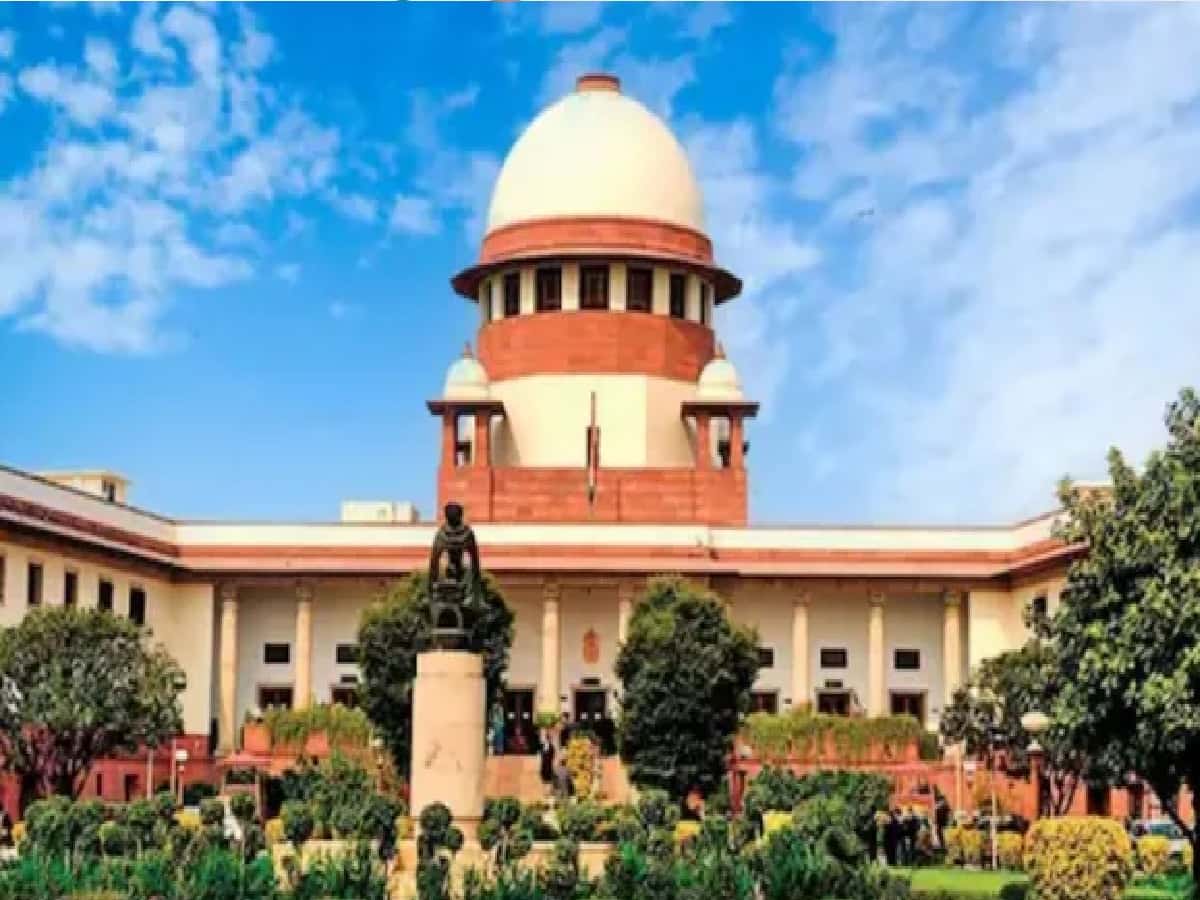
Taking a stern stance against widespread non-payment of traffic penalties across the country, the Supreme Court has directed all state governments and union territories to initiate immediate vehicle seizures against chronic defaulters. Hearing the matter on Thursday, a bench comprising Justices J.B. Pardiwala and K.V. Viswanathan stated that simply generating digital e-challans is futile if law enforcement mechanisms fail to recover the fines. The top court ordered transport and police authorities to carry out rigorous random checks on roads and immediately impound any automobile found with long-standing traffic dues.
Parivahan Services Frozen: No RC Renewals or Ownership Transfers
To establish digital enforcement, the Supreme Court directed the complete freezing of online motor vehicle services for all defaulting vehicles on the centralized Parivahan portal. Until every outstanding challan is settled in full, authorities are barred from processing registration certificate (RC) renewals, issuing duplicate RCs, or recording address updates. Furthermore, non-compliant vehicles must be placed on an administrative blacklist, blocking commercial resale, preventing official ownership transfers, and withholding mandatory vehicle fitness certificates.
Ban on PUC Certification and Driving License Suspension
The apex court expanded punitive measures to target vehicular roadworthiness and driving privileges directly. Under the new directions, Pollution Under Control (PUC) testing centers nationwide are prohibited from issuing compliance certificates to vehicles carrying unsettled traffic fines. For repeat traffic violators, the bench ordered transport secretariats to initiate immediate proceedings to suspend existing driving licenses (DLs) and deny renewal requests, emphasizing that ignoring traffic regulations carries real administrative consequences.
Crackdown Triggered by Staggering ₹23,000 Crore Fine Deficit
The top court expressed dissatisfaction over massive enforcement gaps highlighted in a report submitted by the court-appointed amicus curiae. The documentation revealed that out of approximately ₹49,194 crore in traffic fines generated through automated and manual systems across India, states and UTs have recovered merely ₹26,175 crore—leaving an enormous unpaid deficit exceeding ₹23,000 crore. The directives were delivered during hearings on a 2012 public interest litigation monitored by the court for 14 years. The bench issued a clear warning that if provisions of the Motor Vehicles Act remain confined to paper, the court will step in with severe coercive measures against failing administrative officials.