







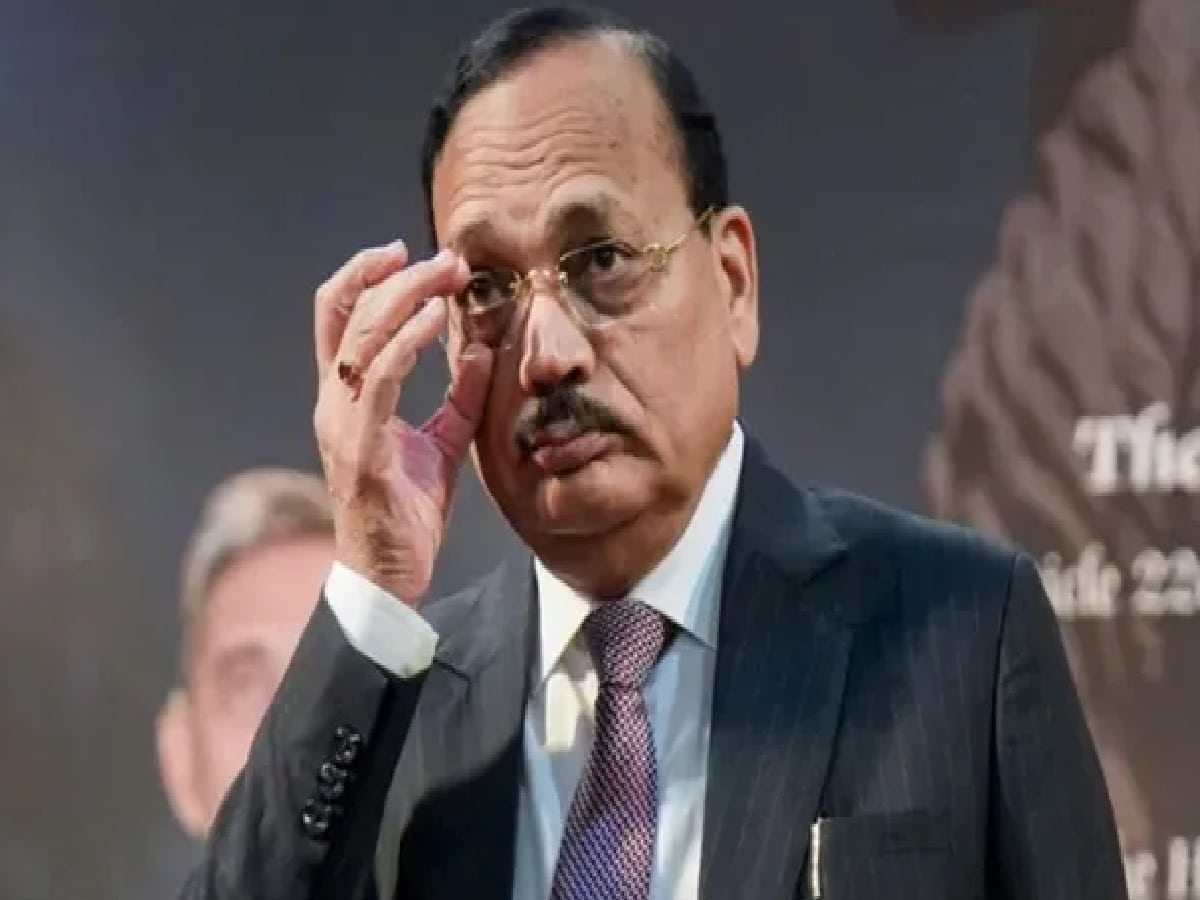
CJI Surya Kant Explains Why He Declined Meeting With Opposition MPs
Taking a firm and principled stance on judicial protocol, Chief Justice of India (CJI) Justice Surya Kant has clarified his reasons for declining an in-person chamber meeting with leaders of the opposition INDIA bloc following their political protest march in the national capital. Addressing the development, the Chief Justice stated that he had formally received a letter requesting a personal audience, to which he promptly issued a detailed written reply outlining his inability to meet the delegation. Clarifying the timeline of the communication, Justice Surya Kant explained that the letter was dated the previous day, but because he was away on official commitments outside Delhi, he received it only upon his return late in the evening and ensured a prompt written response was dispatched that night to apprise the leaders of the institutional reasons governing his decision.
Due Process Over Chamber Delegations: File Petitions in Court, Advises CJI
Reiterating the core constitutional mandate of judicial neutrality and accessibility, the Chief Justice affirmed that the doors of the Supreme Court of India remain permanently open to every citizen across the country. Justice Surya Kant stressed that whether someone is an ordinary citizen or an elected representative serving in Parliament or state legislative assemblies, the constitutional framework provides an established legal avenue to approach the apex judicial forum through formal due process. The opposition delegation had sought judicial intervention regarding the current electoral process and the existing statutory framework governing the appointment of Election Commissioners. Emphasizing that political memoranda and protest-driven meetings cannot bypass formal procedures, the CJI underlined that any aggrieved entity must present their grievances through a duly filed petition before the open court, assuring that the bench will objectively adjudicate all valid concerns and deliver appropriate legal relief within the ambit of the law.
Avoiding Conflict of Interest: Why the JPC's 'One Nation, One Election' SC Visit Was Cancelled
The Chief Justice also shed light on the recent decision to call off the scheduled visit of the Joint Parliamentary Committee (JPC) on 'One Nation, One Election' to the Supreme Court premises. Explaining the institutional deliberations that preceded the decision, Justice Surya Kant noted that this matter presented comparatively higher structural sensitivities due to a potential conflict of interest that could arise if parliamentary deliberations overlapped with the court’s administrative setup. Following comprehensive consultations with his senior judicial colleagues on the administrative bench, a collective consensus was reached that the judiciary must strictly prevent and avoid any situation that could lead to even the perception of a conflict of interest, especially regarding legislative policies that might eventually come under constitutional review before the apex court.




