Bombay HC Pulls Up Election Commission Over Deletion of 6 Goan Family Voters
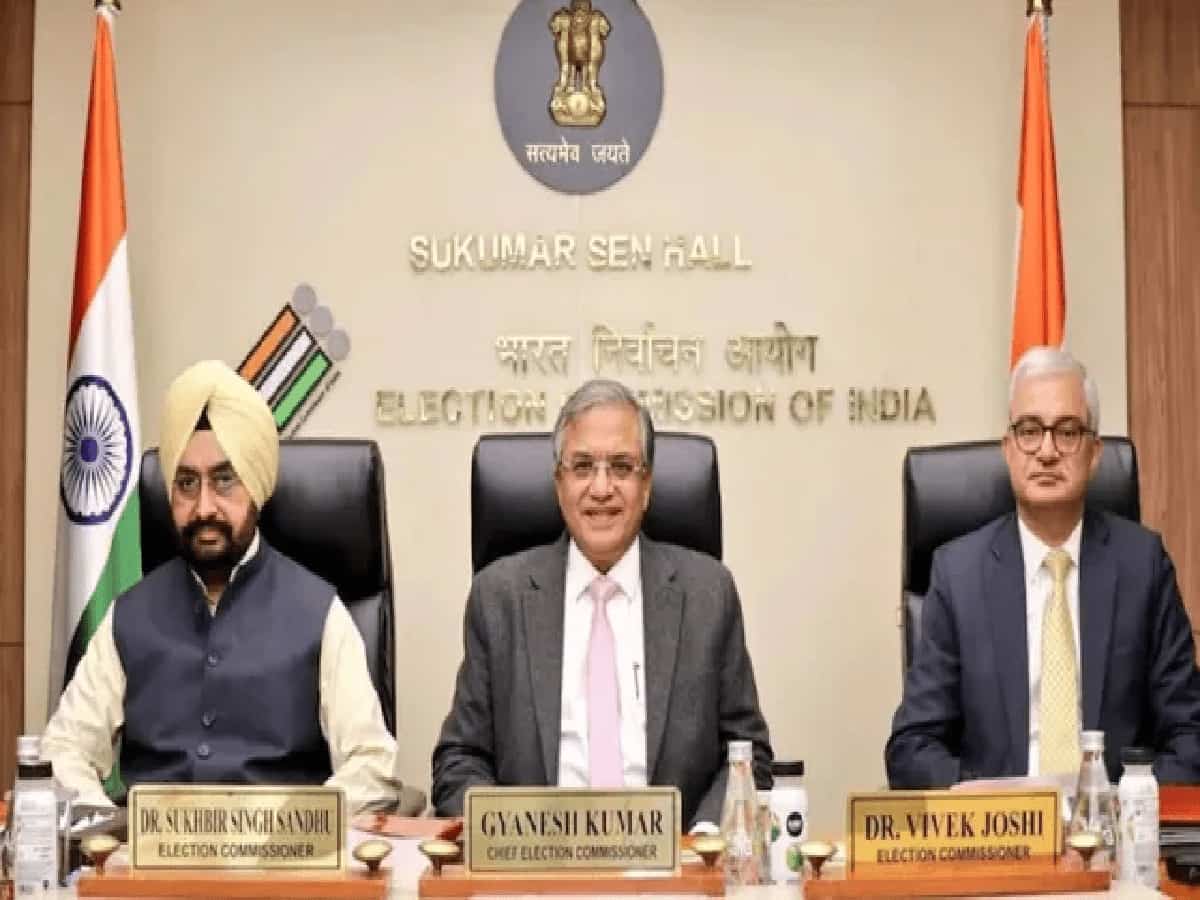
The Bombay High Court has strongly reprimanded the Election Commission of India (ECI) and the Office of the Chief Electoral Officer after the names of six members belonging to the same family were arbitrarily struck off the electoral rolls during the Special Intensive Revision (SIR) in Goa's Santa Cruz constituency. Hearing a petition moved by local resident Paresh Salgaonkar, a division bench comprising Justice Valmiki Menezes and Justice Amit Jamsandekar sharply questioned the poll panel's administrative conduct when it attempted to justify the disenfranchisement as an algorithmic software deficiency. Dismissing the commission's technical explanation, the bench asserted that institutional blunders cannot be used to deprive legitimate citizens of their fundamental democratic franchise, stating unequivocally that the omission was a clear operational mistake on the part of the authorities.
The Form 6 vs Form 8 Dispute: Why Timely Address Updates Led to Voter Exclusion
The core dispute arose after petitioner Paresh Salgaonkar and his family relocated their residence within the same assembly constituency and duly submitted Form 8 within the prescribed timeline to notify the electoral registration officer of their address modification. However, when the final voter registry was published, the entire family discovered their names had been completely expunged rather than updated. In its defense before the court, legal counsel representing the Election Commission stated that the digital platform used during the enumeration phase of the SIR lacked the technical capability to process Form 8 applications. The commission explained that because the system could not handle internal shifts, the family was subsequently advised to fill out Form 6 as entirely new voters—a demand the family refused, pointing out that they were already verified, registered electors with existing voter identity cards.
High Court Slams Bureaucratic Inflexibility: 'Form 8 Predates the Digital Era'
Refusing to accept the poll panel’s reasoning, the High Court bench pulled up the authorities for systemic design flaws that risk disenfranchising voters on a massive scale. The judges observed that Form 8 has existed long before electronic processing systems were introduced and questioned how statutory administrative safeguards could be overridden by flawed coding. When the commission’s counsel argued that the family had shifted houses roughly eight years prior and that Form 8 could only be processed during regular periods rather than active enumeration phases, the bench firmly rejected the contention, emphasizing that citizens who acted in good faith within the rules must not be penalized for administrative oversights or software limitations.