







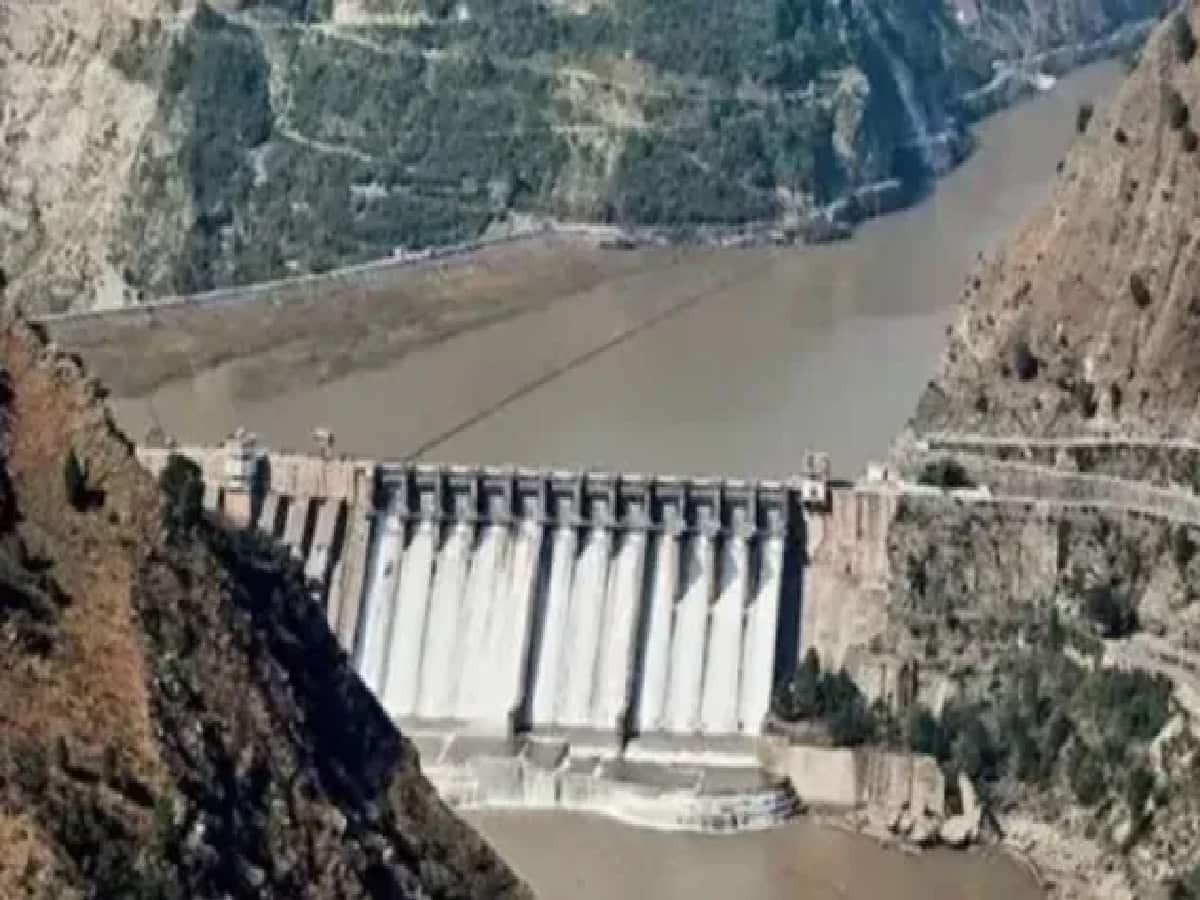
Arunachal Villagers Reject Siang Dam: 'Cut Us Apart, Won't Leave Land'
Deep inside the emerald valleys of Arunachal Pradesh's Upper Siang district, grassroots opposition to the proposed 11,200 MW Siang Upper Multipurpose Project (SUMP) has hardened into an emotional, uncompromising stand that even high-level political outreach from New Delhi has yet to soften. Highlighted across regional and national desks on Thursday, November 26, 2026, village heads (Gaon Burahs) and indigenous residents across the Siang belt have flatly refused to surrender their ancestral settlements, farmlands, and river valleys—despite recent assurances of development and what Union Home Minister Amit Shah described during his November 21–22 visit to Itanagar as the country's most attractive rehabilitation package. Speaking on Tuesday evening during a tense consultation with senior Arunachal Pradesh government officials and Union Power Ministry representatives in Upper Siang, Simong village headman Tanyo Lipir captured the mood of the valley in remarks that have rapidly gone viral across social media: "By leaving our beautiful place, our homes, how will we live with bears and monkeys gazing at the water? What will we eat? Even if the government gives us money, what will we do with it? You can chop us into pieces and throw us away, but we will not allow the Siang Dam to be built." Just hours later on Wednesday, residents of Geku—widely regarded as the epicenter of the anti-dam movement, roughly 35 kilometers downstream of Yingkiong where the proposed reservoir is planned—boycotted a scheduled outreach meeting with Divisional Commissioner Amjad Tak and Union Ministry of Power Director Sagar Singh Kalsi, signaling that local communities across Yingkiong, Geku, Pasighat, Itanagar, and Guwahati remain locked in a fierce standoff with authorities.
Siang Dam Standoff in Arunachal Pradesh: Simong & Geku Defiance Explained
To bring together the emotional and ecological objections voiced by Simong village head Tanyo Lipir and Geku residents, why Adi Bane Kebang United (ABKU) and anti-dam groups have rejected dialogue until security forces withdraw, and how the Centre's 11,200 MW strategic rationale clashes with indigenous land and cultural concerns, the tables below organize all verified developments:
Ground-Level Protests, Boycotts & Key Voices (November 2026)
| Stakeholder / Location | Verified Action or Statement | Core Issue at Stake |
| Tanyo Lipir (Gaon Burah / Headman, Simong Village, Upper Siang) | Rejected the 11,200 MW Siang Upper Multipurpose Project (SUMP) at a Tuesday meeting with state and Union Power Ministry officials, declaring villagers would rather be cut into pieces than abandon ancestral homes for wildlife-prone hilltops. | Loss of fertile ancestral river valleys, self-sustaining agrarian livelihoods, and irreplaceable cultural ties that cash compensation cannot replace. |
| Residents of Geku (Upper Siang District, ~35 km downstream of Yingkiong) | Boycotted Wednesday's outreach meeting with Divisional Commissioner Amjad Tak and Energy Ministry Director Sagar Singh Kalsi despite official efforts to build consensus for Pre-Feasibility Report (PFR) drilling. | Geku sits directly near the proposed reservoir zone, making displacement fears acute among local Adi families. |
| Adi Bane Kebang United (ABKU) & Anti-Dam Forums | Rejected Union Home Minister Amit Shah's offer of talks as anti-tribal; spokesperson Datik Ratan questioned the logic of displacing the very people the dam supposedly protects, while ABKU and allied groups insisted no dialogue can proceed until Central Armed Police Forces (CAPF) are withdrawn and all detained protesters are released. | 30 companies of CAPF remain deployed across three Siang-belt districts following violent clashes in Pasighat on October 23–24, 2026, where dozens of protesters were arrested or detained. |
Centre's Strategic Case vs. Indigenous Community Concerns Over SUMP
| Perspective | Key Arguments & Facts | Impact on Current Deadlock |
| Union Government & Arunachal Administration | During his November 21–22, 2026 Itanagar visit, Home Minister Amit Shah underscored that the 11,200 MW SUMP is vital for India's energy security, revenue generation, and downstream water-buffering against China's massive 60 GW Medog hydropower project across the border on the Yarlung Tsangpo; pledged cultural protection, an unmatched rehabilitation package, and grassroots consultation. | Officials are attempting village-level consultations around PFR drilling sites to break the impasse without abandoning the strategic project. |
| Indigenous Adi Communities & Civil Groups | Maintain that a mega-dam on the main Siang River (as the Brahmaputra is known in Arunachal Pradesh) threatens permanent submergence of ancestral villages, sacred forests, and heritage; demand immediate halt to PFR drilling, withdrawal of paramilitary forces, and release of jailed activists before any talks. | Trust deficit remains deep after October's Pasighat unrest and heavy security presence across East Siang, Siang, and Upper Siang districts. |
Why Cash Compensation Fails to Persuade Siang Valley's Agrarian Communities
Across Yingkiong, Geku, Simong, Pangin, Boleng, and Pasighat, observers of Northeast India note that resistance to the Siang Upper Multipurpose Project stems from a fundamental clash of worldviews. For Adi tribal households, land along the Siang River is not a tradable real-estate asset—it is the foundation of clan identity, community granaries, customary governance (Kebang), and ecological survival. As Tanyo Lipir's viral question—"Even if the government gives us money, what will we do with it?"—underscores, moving valley farmers onto steep forested ridges where crops struggle and wild animals roam represents an existential rupture rather than an economic upgrade.
What Authorities and Protesters Are Watching Next in Arunachal Pradesh
With divisional officials and Union Power Ministry representatives still camping in the Siang region to salvage Pre-Feasibility Report consultations while ABKU and village headmen stand firm on CAPF withdrawal and detainee releases, the coming days across Itanagar, Pasighat, Yingkiong, and New Delhi will test whether confidence-building steps can reopen genuine dialogue—or whether the 11,200 MW Siang Dam standoff deepens further across Arunachal Pradesh.




