






7-Judge SC Bench Set to Close 23-Year-Old Tamil Nadu Assembly Case
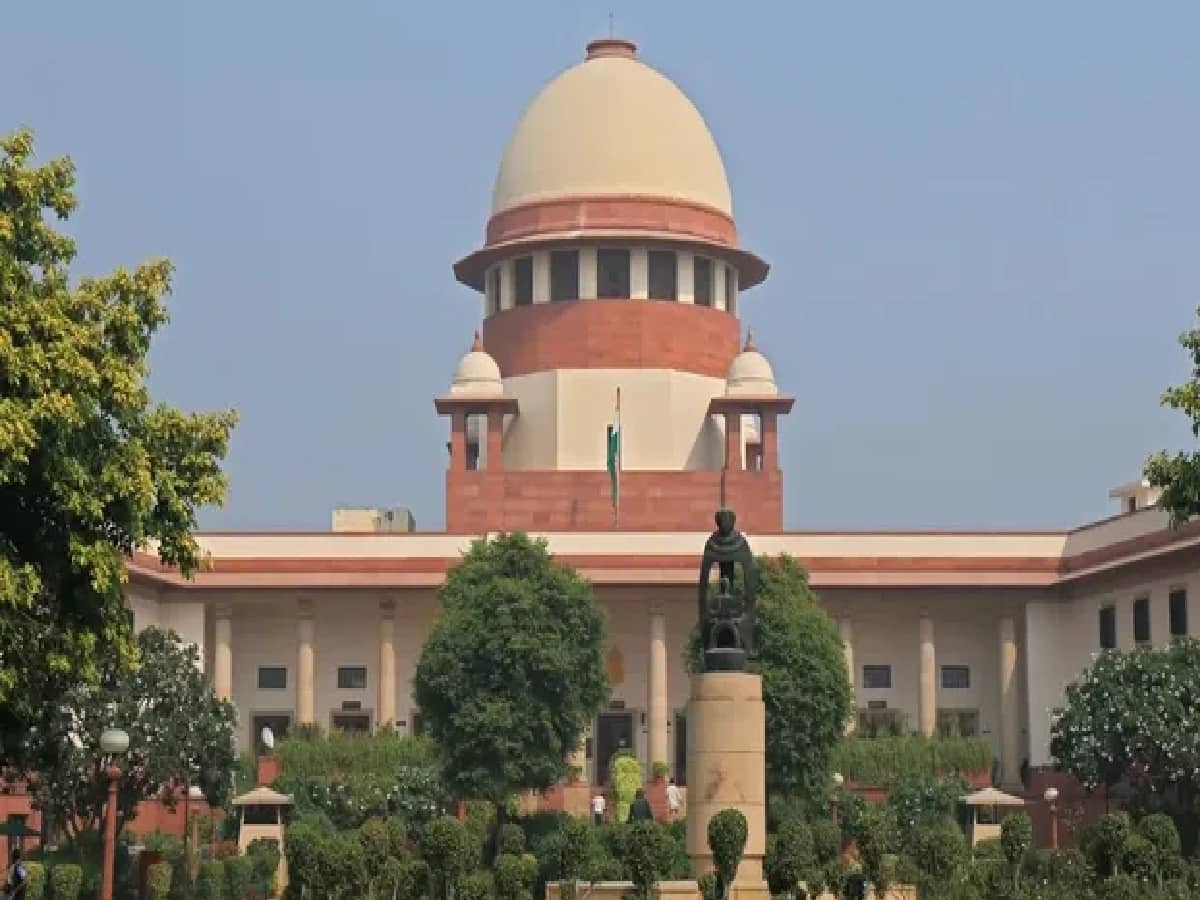
In a decisive constitutional development, a seven-judge Constitution Bench of the Supreme Court of India is set to officially close a 23-year-old legal battle over legislative privilege and the constitutional freedom of speech and expression. The case stems from November 2003, when the Tamil Nadu Legislative Assembly passed a controversial breach-of-privilege resolution ordering a 15-day imprisonment and issuing arrest warrants against senior journalists, including N. Ravi, then editor of 'The Hindu', and S. Selvam, editor of Murasoli. What originally began as a high-stakes standoff between parliamentary privileges under Article 194 and journalistic liberty under Article 19(1)(a) has reached its final procedural denouement, as Chief Justice of India Surya Kant announced that the seven-judge bench will officially place on record the Assembly's subsequent rescission and dispose of the long-pending petitions.
Constitutional Bench Lineup and Arguments Over Academic Privilege Questions
The high-powered seven-judge bench comprises Chief Justice Surya Kant alongside Justices Arvind Kumar, Prashant Kumar Mishra, Joymalya Bagchi, Vipul M. Pancholi, Shri Chandrashekhar, and V. Mohana. Representing the Tamil Nadu Legislative Assembly, Senior Advocate Raju Ramachandran—supported by Attorney General R. Venkataramani and Solicitor General Tushar Mehta—informed the court that the core grievance behind the original writ petitions had completely ceased to exist. Because the state legislative assembly had formally revoked its punitive resolution back in 2004, the legal counsel submitted that the question of imposing detention had turned entirely academic and infructuous, rendering active judicial intervention redundant after more than two decades.
Legacy of the 2003 Assembly Standoff and Protection of Journalistic Freedom
The genesis of the prolonged legal confrontation occurred on November 7, 2003, when the Tamil Nadu Assembly Speaker authorized the arrest of several senior journalists over critical reportage and editorial critiques regarding legislative proceedings. The editors immediately moved the apex court under Article 32, securing an emergency stay that shielded them from custodial detention and elevated fundamental constitutional debates regarding whether uncodified legislative privileges could override the inviolable press freedom guaranteed by the Constitution. With the formal recording of the 2004 revocation, the Supreme Court brings down the curtain on one of the most prominent historic standoffs between legislative power and media autonomy in independent India.