







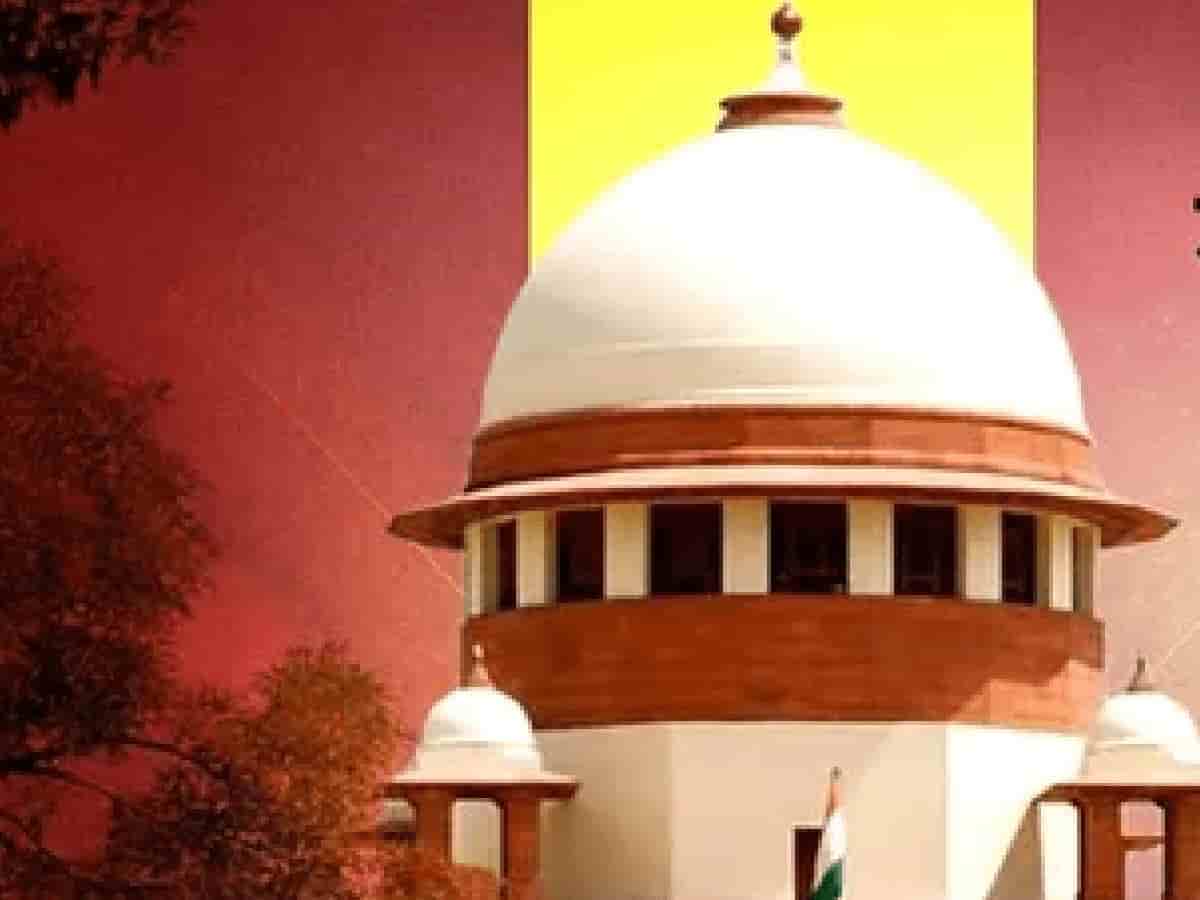
Supreme Court Recruitment 2026: Junior Court Attendant Vacancies Open for 10th-12th Pass
Aspirants aiming for a career within India’s apex judicial institution have an immediate opening as the Supreme Court of India (SCI) officially releases its notification for the post of Junior Court Attendant. The recruitment drive offers candidates with Class 10th and 12th qualifications a route into judicial administrative service in New Delhi. The digital application window is scheduled to open on November 4, 2026, and will accept submissions through November 25, 2026. Selected appointees will enter the central pay matrix with starting basic emoluments scalable up to ₹69,100 per month alongside standard central government allowances.
Important Application Dates, Age Criteria & Monthly Pay Scale
The registry has outlined strict timelines, age cutoffs, and remuneration bands for all prospective applicants:
-
Online Application Commencement: Digital registrations and fee processing will officially begin on November 4, 2026.
-
Closing Date for Registration: The final deadline to submit completed application forms on the portal is November 25, 2026.
-
Monthly Salary Structure: Appointed Junior Court Attendants will receive a monthly pay scale ranging from ₹21,700 to ₹69,100 (Level 3 under 7th CPC), plus applicable central allowances including DA, HRA, and medical benefits.
-
Prescribed Age Limits: The age calculation benchmark is set as of October 1, 2026. Candidates must be at least 18 years old and must not exceed 27 years of age.
-
Age Concessions: Upper-age relaxations are applicable to candidates belonging to reserved categories (SC, ST, OBC, PwD, and Ex-Servicemen) in accordance with prevailing central government rules.
Minimum Educational Qualifications Required for SCI Junior Court Attendant
The qualification guidelines have been framed to provide broad accessibility to young school graduates:
-
Schooling Credentials: Applicants must have successfully cleared Class 10th (Matriculation) or Class 12th (Senior Secondary) from any recognized school, board, or institution in India.
-
Foundational Competencies: Candidates should possess basic communication skills, sound physical fitness, and general aptitude to carry out court-support, dispatch, record maintenance, and courtroom assistance duties within the Supreme Court complex.
Two-Stage Selection Blueprint: 100-Mark Written Test Followed by 25-Mark Interview
The examination protocol employs a structured two-phase screening methodology to evaluate candidates:
-
Stage 1 (Written Examination): The initial shortlisting will be conducted via an objective-type written test worth a total of 100 marks. The paper comprises multiple-choice questions spanning four core sections: General Intelligence and Reasoning, Numerical Ability, General English, and General Awareness.
-
Minimum Qualifying Benchmark: Candidates must secure a minimum score of 50 percent in the written examination to be eligible for shortlisting.
-
Stage 2 (In-Person Interview): Candidates clearing the written cutoff will receive call letters for an oral interview carrying a total of 25 marks. During this stage, candidates will be evaluated through a structured set of 13 questions assessing suitability, confidence, and basic general knowledge.
Category-Wise Application Fees and Registration Guidelines
To complete their online submission, applicants must pay the prescribed processing and examination fee via digital payment modes:
-
General and Unreserved Candidates: A non-refundable application fee of ₹1,500 is required for General and unreserved category applicants.
-
Reserved Category Candidates: Candidates belonging to reserved categories are required to pay a concessional fee of ₹750.
-
Submission Protocol: Applicants must keep scanned copies of their educational certificates, proof of date of birth, identity documents, passport-sized photographs, and signatures ready before beginning registration on the official Supreme Court portal.




