







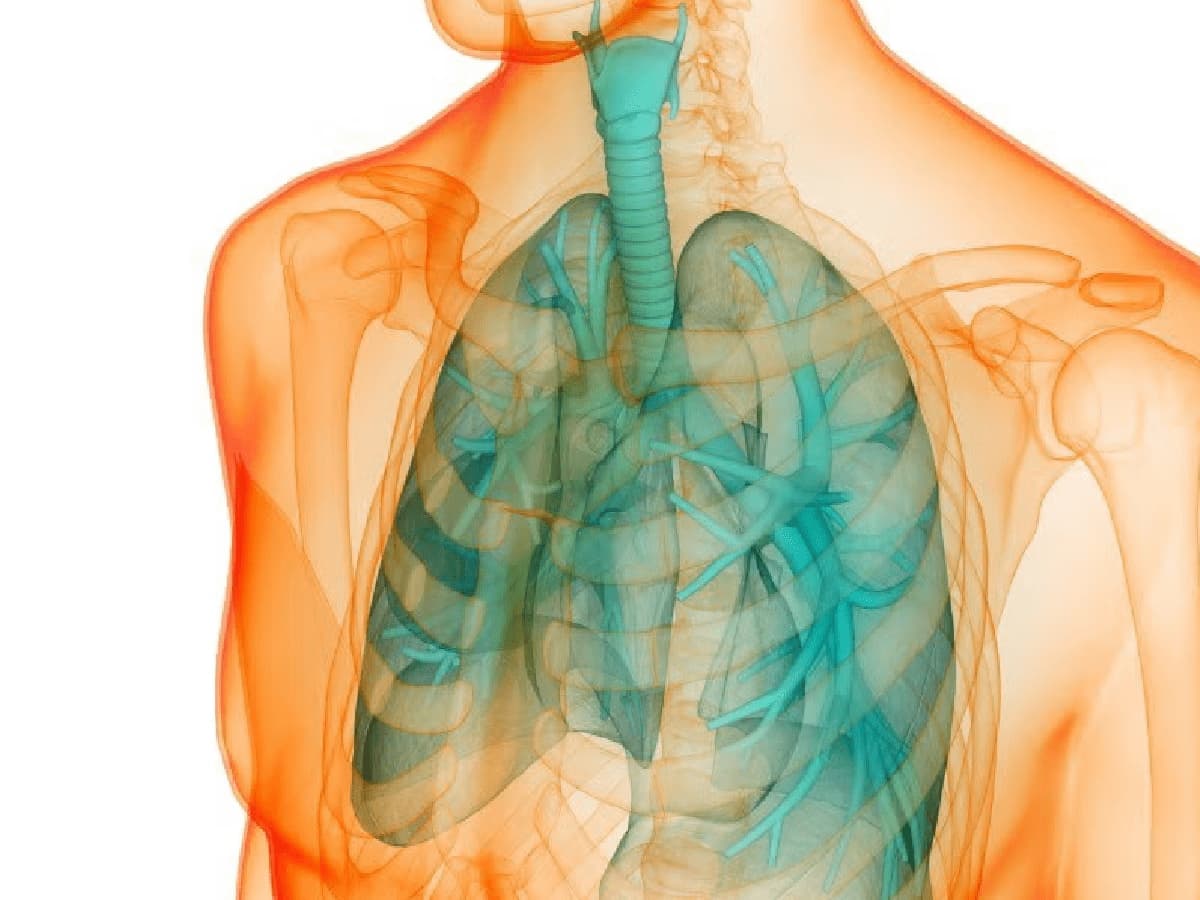
Spirometry Test: Check Your Lung Capacity Amid Toxic Air
As winter descends and major urban centers—most notably Delhi-NCR and northern India—choke under suffocating layers of toxic smog, millions of residents wake up to stinging eyes, raw throats, and heavy chests. While many people brush off these early morning discomforts as temporary seasonal annoyances, public health experts issue a stern warning: relentless exposure to hazardous air pollution is quietly and systematically degrading our lung tissue.
When a persistent cough lingers, climbing a single flight of stairs leaves you gasping for air, or a strange tightness grips your chest, ignoring the signs can be dangerous. Fortunately, you do not have to guess at the state of your respiratory health. Medical science offers a remarkably straightforward, painless, and highly accurate diagnostic procedure known as spirometry, which can evaluate your true lung capacity in a matter of minutes.
How Air Pollution Silently Damages Your Lungs
To understand why lung testing is more critical than ever, it is vital to comprehend how microscopic pollutants interact with the human body. When breathing ambient air saturated with hazardous particulate matter—specifically PM2.5 and PM10—these microscopic toxins bypass the body's natural nasal filtration defenses. Because PM2.5 particles are roughly 30 times smaller than the width of a human hair, they penetrate deep into the bronchial tree, settling permanently in the delicate alveolar sacs of the lungs.
Over time, the accumulation of these toxic pollutants triggers chronic inflammation, oxidative stress, and structural scarring. Airways begin to narrow, lung elasticity diminishes, and overall breathing capacity drops significantly. This cumulative cellular damage explains why non-smokers living in heavily polluted metropolitan areas increasingly present with clinical symptoms mirroring chronic bronchitis, asthma, and Chronic Obstructive Pulmonary Disease (COPD).
What Is a Spirometry Test and How Is It Performed?
When patients suspect declining respiratory function, pulmonologists frequently recommend spirometry as the gold-standard initial screening tool. Spirometry is a quick, non-invasive pulmonary function test designed to measure how efficiently your lungs inhale and exhale air.
The procedure is straightforward and typically takes no more than 15 to 20 minutes at a certified diagnostic center or hospital pulmonary lab:
-
Preparation: The patient sits comfortably, and a soft clip is placed over the nose to ensure all breathing is channeled entirely through the mouth.
-
The Maneuver: The patient takes a deep, maximal inhalation and then forcefully exhales as hard, fast, and completely as possible into a specialized disposable tube connected to a computerized device called a spirometer.
-
Measurement: The machine records the volume of air expelled and the velocity of the airflow, translating the physical effort into precise, objective digital curves.
What Crucial Metrics Does a Spirometry Test Reveal?
The data generated during a spirometry session provides physicians with two primary clinical metrics that form the foundation of respiratory diagnosis:
-
Forced Vital Capacity (FVC): This measures the maximum volume of air that you can forcibly exhale after taking a deep breath. A low FVC indicates that your lungs cannot fully expand or hold normal volumes of air.
-
Forced Expiratory Volume in One Second (FEV1): This measures the volume of air you can successfully blow out during the very first second of the exhaling maneuver.
When both FVC and FEV1 values fall below predicted normal thresholds based on age, height, and gender, it signals a restriction or obstruction within the bronchial airways. These numerical indicators allow doctors to differentiate between restrictive lung disorders and obstructive conditions like asthma or pollution-induced airway remodeling.
Who Needs a Spirometry Test Amid High Pollution Levels?
While routine screening is beneficial for overall health, certain individuals living in high-pollution environments should prioritize scheduling a spirometry evaluation:
-
Persistent Coughers: Anyone experiencing a dry or productive cough that lingers for several weeks without responding to standard over-the-counter remedies.
-
Exertional Breathlessness: Individuals who experience noticeable shortness of breath or air hunger when performing mild physical activities, such as climbing a single flight of stairs or walking briskly.
-
Chest Tightness and Wheezing: Frequent sensations of heaviness in the chest or audible whistling sounds (wheezing) when breathing.
-
Current or Former Smokers: Individuals with a history of tobacco use whose lungs are already compromised by chemical irritants.
-
Known Allergic or Asthmatic Patients: Individuals diagnosed with asthma or seasonal allergies whose symptoms escalate sharply during high-AQI winter months.




