CBSE vs. IB: Which Board Is the Right Choice for Your Child’s Future? A Parent’s Guide
Choosing the right educational board has become one of the most critical decisions modern parents face. With the educational landscape evolving rapidly, the choice between the Central Board of Secondary Education (CBSE) and the International Baccalaureate (IB) is no longer just about curriculum—it's about the kind of future you envision for your child. While CBSE remains the backbone of Indian education, known for its structured approach, the IB board has gained immense popularity for its global, inquiry-based methodology. Deciding which path to take requires a deep dive into your child's learning style, your financial planning, and your long-term academic goals.
Learning Approaches: Rote vs. Inquiry-Based
The primary difference between the two lies in their pedagogical philosophy. CBSE is largely structured around in-depth subject knowledge and book-based learning. While the board has made significant strides in recent years to move away from rote learning, its curriculum remains focused on mastering concepts to reach the "correct" answer.
Conversely, the IB board thrives on real-world application. Learning is centered around projects, analytical questioning, and diverse perspectives. It encourages children to become independent thinkers who can apply their knowledge outside the classroom, fostering curiosity over textbook memorization.
Assessment and Examination Patterns
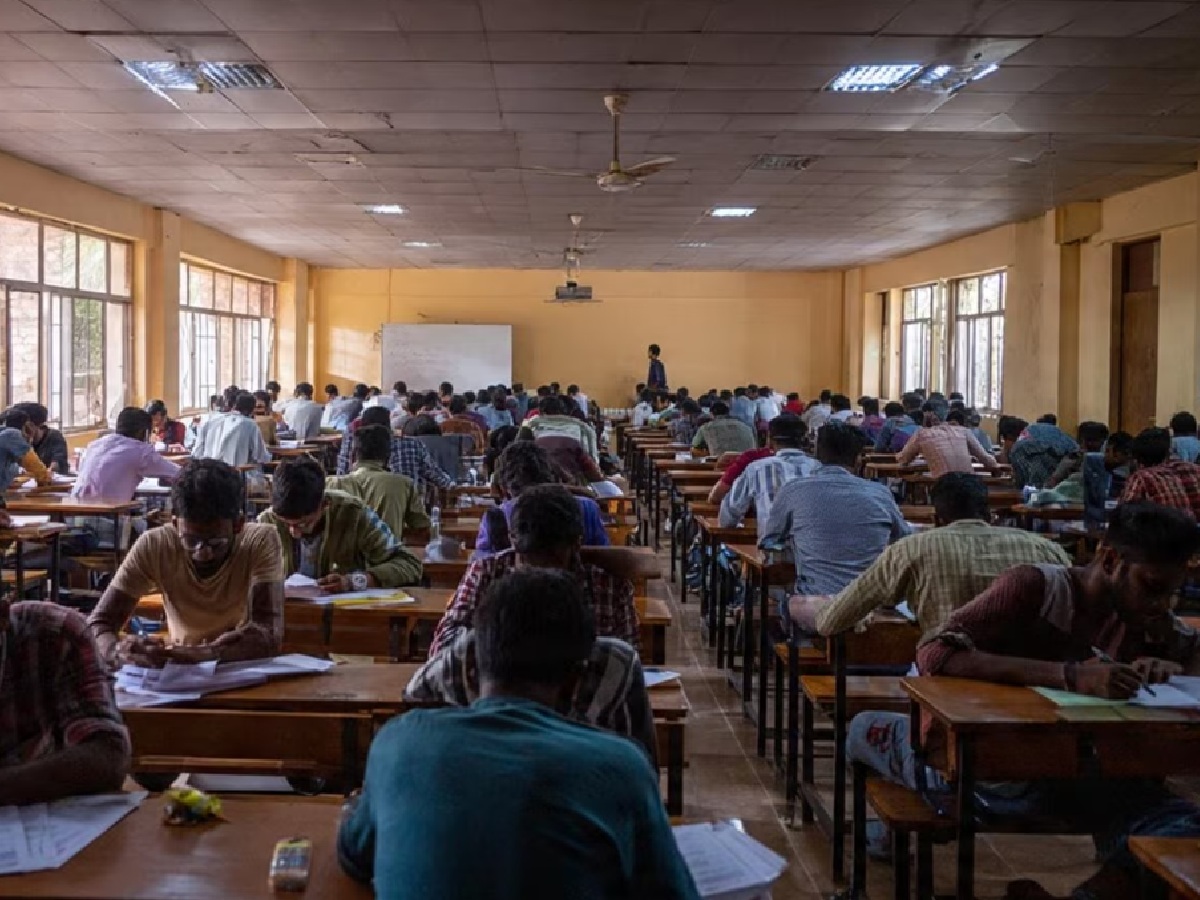
When it comes to measuring academic success, the two boards diverge significantly. CBSE relies heavily on formal, year-end written examinations as the definitive yardstick for student performance. This prepares students for the high-pressure environment of competitive exams. In contrast, IB utilizes a continuous assessment model. Students are evaluated through a blend of projects, class presentations, internal assessments, and written work. This approach reduces the reliance on "cramming" and encourages consistent engagement throughout the academic year.
Career Ambitions: Competitive Exams vs. Global Universities
The board you choose should align with your child’s career path:
-
For IIT/NEET/CUET: If your goal is to help your child crack India’s premier competitive exams like JEE or NEET, CBSE is the clear front-runner. The syllabus is specifically curated to match the content and pattern of these national-level entrance tests.
-
For Overseas Education: If you envision your child attending a prestigious university abroad, the IB board is highly advantageous. Its emphasis on research, independent writing, and critical thinking mirrors the academic rigor found in foreign university systems, giving IB students a distinct edge in international admissions.
Practical Considerations: Accessibility and Budget
Geography and budget play a decisive role in the decision-making process. CBSE schools are ubiquitous, found in almost every neighborhood and town across India, making them highly accessible. IB schools, however, are typically limited to select metropolitan areas. Furthermore, there is a substantial financial divide; CBSE schools offer a wide range of fee structures suitable for the average household, whereas IB schools generally command much higher tuition fees, requiring long-term financial planning.
Ultimately, there is no "superior" board—only one that is better suited to your child’s personality and your family's circumstances. Experts suggest that in the foundational years, the quality of the school environment, the teacher-student interaction, and the overall school culture matter far more than the board label. Observe how your child learns, assess your resources, and choose an environment where your child feels supported to grow.