The Sonic Boom Era Returns: US Poised to Lift 53-Year Ban on Supersonic Flights
A new era in aviation is on the horizon. The United States is officially moving to lift a transcontinental supersonic flight ban that has remained in place for over 53 years. This landmark regulatory shift, driven by breakthroughs in aerospace engineering, promises to revolutionize long-distance travel by reintroducing commercial-speed supersonic flight over land—a feat previously deemed impossible due to the disruptive "sonic boom."
Breaking the Silence: From Bans to Noise Limits
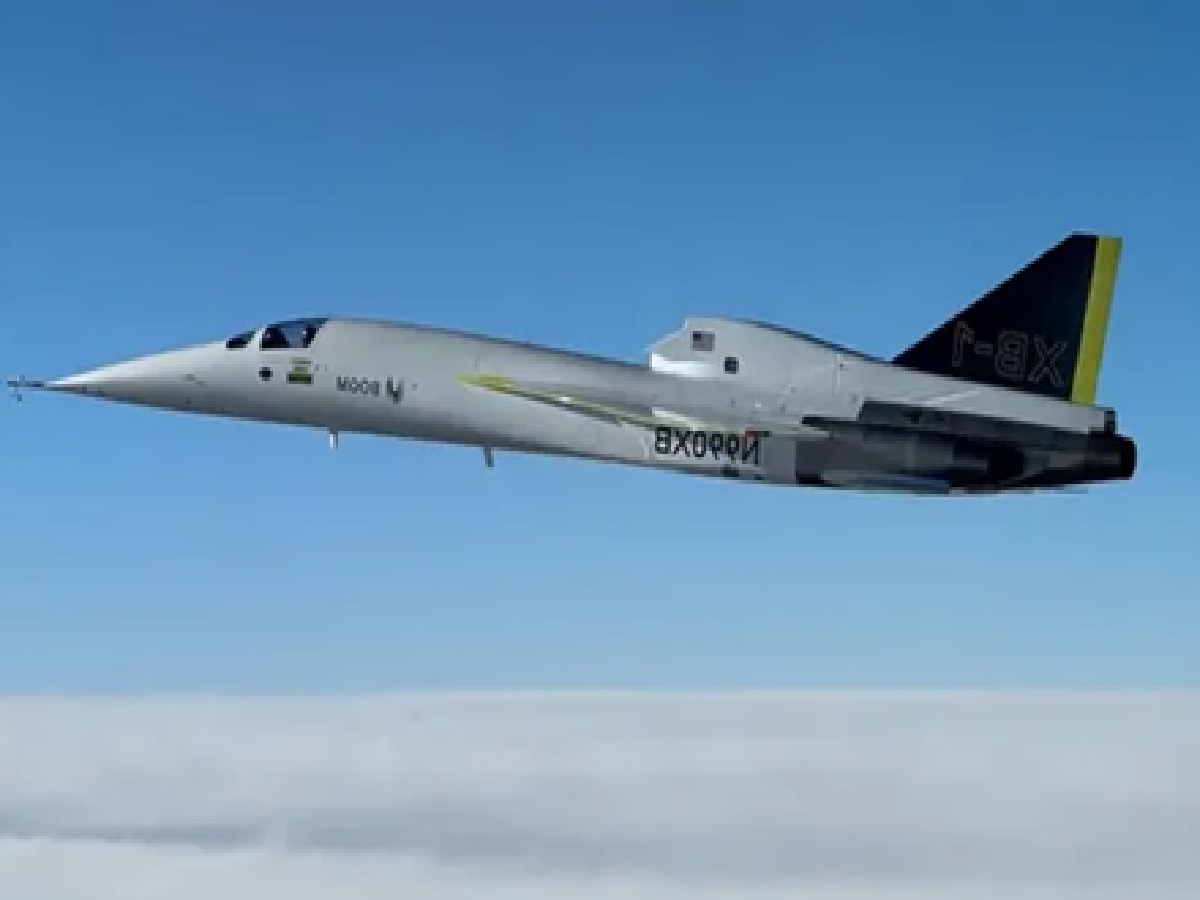
The proposed rule from the U.S. Department of Transportation aims to move away from an outright ban toward a sophisticated noise-based framework. For decades, the 1973 prohibition was essential to prevent the rattling of windows and structural damage caused by the intense pressure waves of sonic booms. However, success with NASA’s experimental X-59 aircraft has changed everything. The X-59 has demonstrated that modern aircraft can fly faster than the speed of sound—exceeding Mach 1—without generating the jarring, explosive booms that characterized the Concorde era. Under the new proposal, supersonic aircraft will be permitted to fly over land as long as they maintain noise levels within strict, scientifically defined thresholds.
The Roadmap to Mach 1
The Federal Aviation Administration (FAA) is currently building the legal infrastructure to support this transition. Following the initial proposal for cruise-phase noise standards, the FAA plans to unveil further regulations later this year concerning takeoff and landing noise. Industry analysts expect these comprehensive rules to be finalized by mid-2027. Currently, flying faster than the speed of sound requires special research permits for isolated flight zones, but the upcoming legislation intends to open the skies for commercial applications. FAA chief Brian Bedford highlighted that massive strides in materials science and noise-reduction technology have finally neutralized the "chronic sonic boom problem," clearing the path for a faster future.
Why This Matters for Global Travel
The lifting of this ban is not just a win for aviation enthusiasts; it represents a fundamental change in how we perceive distance. By replacing a blanket prohibition with technology-driven performance standards, the U.S. is signaling that the next generation of supersonic aircraft is ready for operation. As researchers and manufacturers align with these upcoming regulations, we are moving toward a reality where transcontinental journeys are drastically shortened, potentially transforming global business and tourism as we know them. As the 2027 deadline approaches, the aerospace industry is bracing for a surge in development, marking the end of five decades of static flight speeds.