Tehran’s Toll Demand at Strait of Hormuz Stalls US-Iran Peace Talks: Will Force Be Used
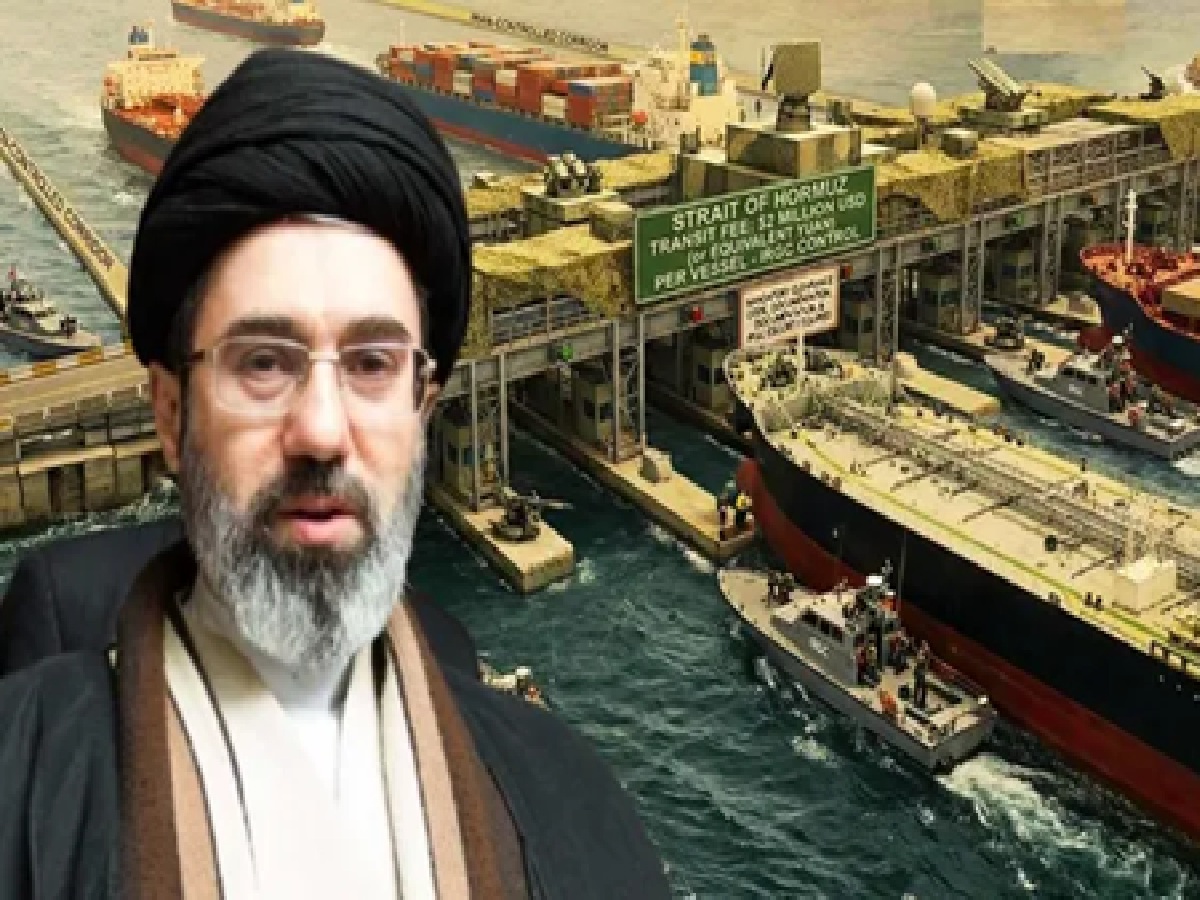
The Strait of Hormuz—the world’s most critical maritime oil artery—has emerged as a major flashpoint, threatening to derail the fragile peace process between the United States and Iran. Tehran is doubling down on its demand to impose transit fees on commercial vessels navigating these vital waters, signaling a willingness to use military force to assert its control. This rigid stance has created a significant hurdle in ongoing negotiations, with Iranian officials warning that progress on other fronts remains stalled until this specific demand is addressed.
The Conflict Over Maritime Tolls
According to high-level Iranian sources, the nation is determined to gain international legitimacy to levy tolls on ships traversing the strait. The timing of this push is critical; the current 14-point interim agreement, signed on June 18th, allows for fee-free passage for 60 days. Tehran has made it clear that if this interim arrangement expires without an extension or a permanent resolution, it intends to begin collecting fees by mid-August. This marks a radical departure from the pre-war status quo, where the waterway remained toll-free. The United States and six Gulf nations have jointly rejected Iran's claims, setting the stage for a potential high-stakes maritime standoff.
Rising Tensions and Threats of Force
The rhetoric from Tehran has become increasingly assertive. Iranian Foreign Minister Abbas Araghchi recently issued a stark warning, stating that Iran will respond with "immediate force" to any threats directed at its leadership or citizens. This military posturing is further complicated by reports that Iran and Oman are actively developing a framework to implement these tolls, despite intense opposition from Washington and international maritime stakeholders. Observers worry that the assertion of such authority would fundamentally disrupt global supply chains and increase the risk of military escalation in the region.
Maritime Incidents and Future Uncertainty
The instability in the region was underscored by a recent incident reported by Iranian state television, where a foreign container ship became stranded in shallow waters after allegedly failing to adhere to routes mandated by Iran. While details regarding the vessel remain sparse, the event highlights the growing difficulties for commercial shipping in a waterway that is becoming increasingly militarized. With the 60-day window of the interim agreement rapidly closing, the international community is watching closely to see if diplomacy can prevent a major blockade or a direct confrontation, as mid-August looms as a decisive deadline for global energy security and maritime trade.