Pakistan on the Brink: Massive Rebellions Shake Islamabad
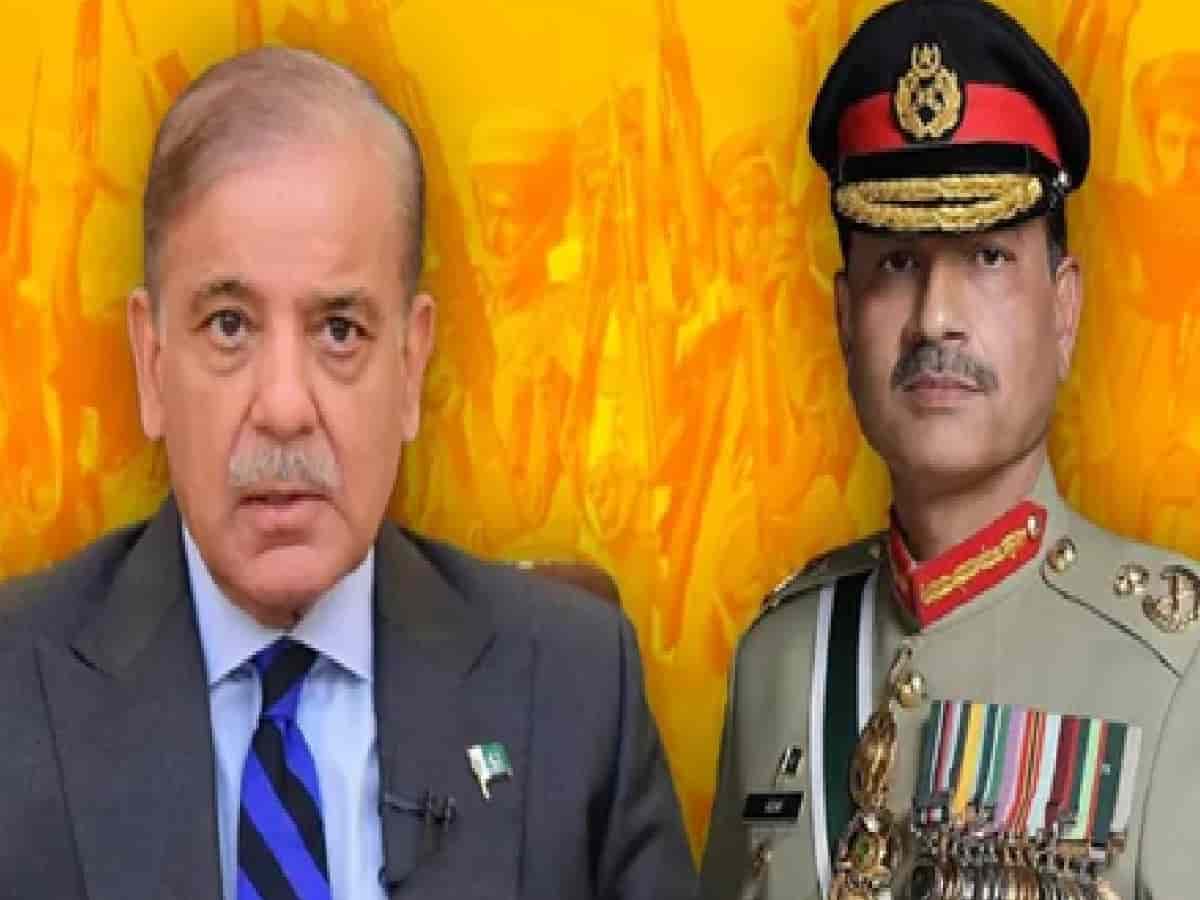
Pakistan is currently spiraling into an unprecedented multi-front security, economic, and political crisis as armed insurgencies and massive civil unrest engulf Balochistan, Khyber Pakhtunkhwa, and Pakistan-occupied Kashmir (PoK). The writ of the federal government led by Prime Minister Shehbaz Sharif and the powerful Pakistani military has collapsed across vast stretches of territory, where militant groups and angry local populations are actively challenging state control. With the Baloch Liberation Army (BLA) asserting dominance in the south, the Tehreek-e-Taliban Pakistan (TTP) expanding its writ in the northwest, and widespread public revolts boiling over in PoK, the country faces a historic existential threat.
Baloch Liberation Army Takes Control of 70 Percent of Balochistan
The security situation in Balochistan—the country's largest province by area, accounting for roughly 45 percent of Pakistan's territory—has deteriorated drastically. Separatist fighters from the Baloch Liberation Army (BLA) have effectively seized control of nearly 70 percent of the province. Heavily armed BLA cadres patrol cities like Quetta, Khuzdar, and Mastung with impunity, setting up unauthorized checkpoints to extort vehicles and challenge state authority. Local anger has reached a boiling point over massive foreign exploitation, particularly China's multi-trillion-rupee investments in the Gwadar Port project. Indigenous Baloch citizens, despite sitting on immense natural wealth including gold, copper, and natural gas, point out that they are treated as second-class citizens while local fishermen lose their livelihoods to aggressive foreign trawlers. Originating from historical grievances dating back to Pakistan's formation in 1947-1948, the BLA's persistent armed struggle has paralyzed the federal apparatus in the region.
TTP Rule and Military Retreat in Khyber Pakhtunkhwa
Along the rugged Afghan border in Khyber Pakhtunkhwa, the Pakistani state has steadily lost ground to the Tehreek-e-Taliban Pakistan (TTP) and allied extremist factions. In this restive province, federal legislation has been completely sidelined, replaced instead by strict Taliban Sharia law and traditional tribal Loya Jirga systems. Battered by relentless and sophisticated guerrilla assaults, the demoralized Pakistani army has been forced into a humiliating retreat, abandoning at least 50 military outposts along the sensitive Durand Line. With dozens of soldiers killed in over 145 separate TTP attacks this year alone, military personnel from Punjab and Sindh actively avoid postings to the region. Counter-terrorism analysts warn that deepening operational coordination between the TTP and groups like the Islamic State Khorasan Province (ISKP) has completely hollowed out government governance in northwestern Pakistan.
Severe Repression and Violent Protests Erupt in PoK
Simultaneously, public rage against Islamabad's heavy-handed administration has boiled over in Pakistan-occupied Kashmir (PoK). In a desperate bid to crush dissent among the 4.5 million residents, the Pakistani establishment has deployed nearly 100,000 troops, transforming the region into a virtual military garrison. Despite strict curfews, constant checkpoints, and brutal crackdowns involving live ammunition, thousands of citizens routinely flood the streets in fierce anti-establishment protests. The civilian uprising is fueled by crushing inflation, chronic shortages of basic essentials like wheat flour and electricity, and deep-seated outrage over discriminatory electoral structures tied to refugee-reserved seats. Caught between separatist insurgents in the south, Islamist militants in the northwest, and a rebellious populace in the disputed northern territories, the Islamabad government and military command appear increasingly incapable of stabilizing a fracturing nation.