Immediate Rescue for Injured Cattle: Yogi Govt to Launch Statewide Emergency Medical Service
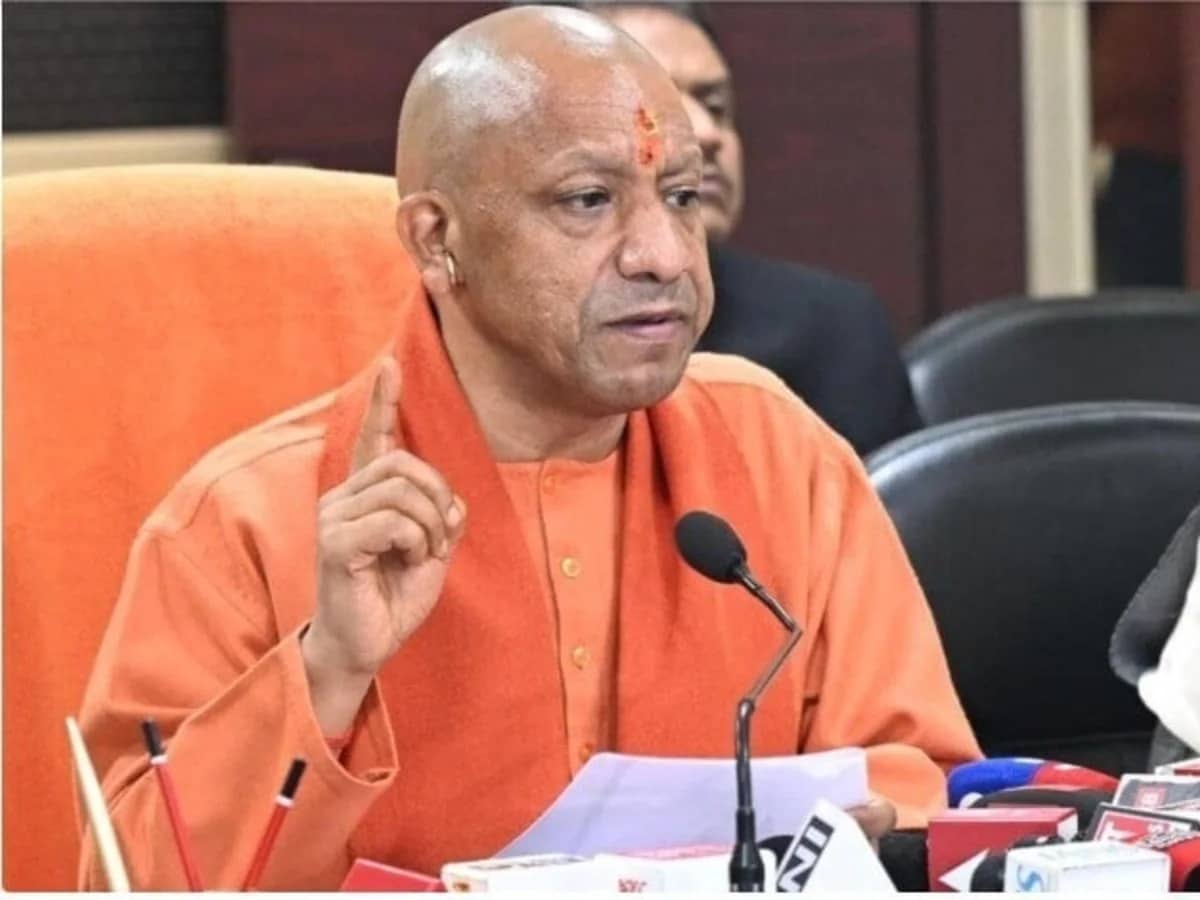
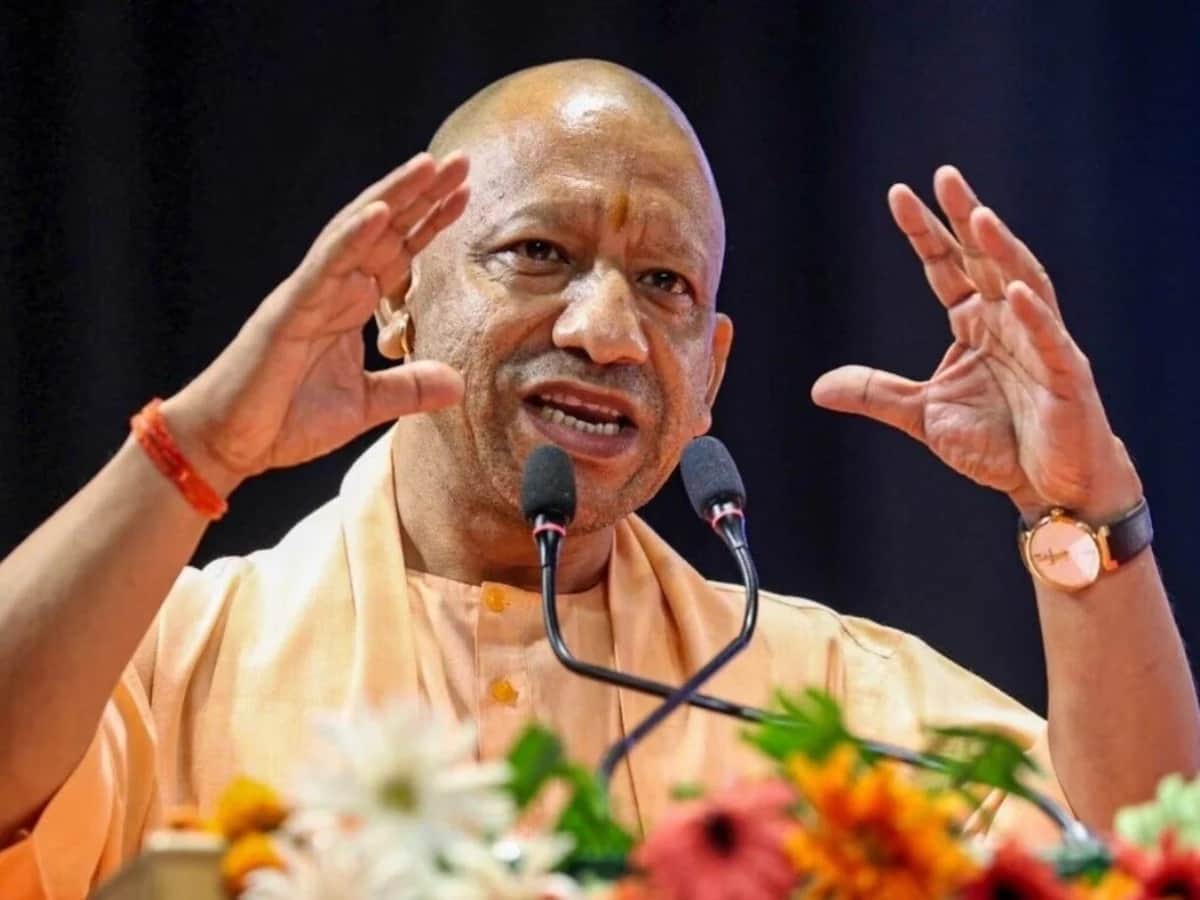
In a major animal welfare initiative, the Uttar Pradesh government led by Chief Minister Yogi Adityanath is rolling out a specialized emergency response service dedicated to rescuing and treating cattle injured in road accidents. During a high-level review meeting held at his official residence in Lucknow on Saturday with the Chairman and senior officials of the Uttar Pradesh Gau Seva Aayog (Cow Service Commission), the Chief Minister directed the deployment of dedicated emergency rescue and prompt medical intervention units across every district of the state. Alongside emergency logistics, the state government outlined plans to accelerate scientific clinical research into Panchagavya-based medicine and anchor cow protection initiatives firmly into the rural agrarian economy.
Panchagavya Medical Research and Rural Economic Integration Through SHGs and FPOs
To validate the pharmaceutical efficacy of Panchagavya therapies, Chief Minister Yogi directed the Pandit Deendayal Upadhyaya Veterinary Science University and Cow Research Institute in Mathura and the Government Ayurvedic College in Lucknow to spearhead institutional research initiatives. In tandem with therapeutic advancements, the state plans to transform cow shelters into self-sustaining economic hubs by involving women Self-Help Groups (SHGs), Farmer Producer Organizations (FPOs), pastoral cowherds, and agrarian workers. These grassroots groups will be integrated into the processing, packaging, quality control, value addition, and commercial marketing of cow dung and urine-based derivatives, including organic compost, Jeevamrit, Beejamrit, biopesticides, and biogas, establishing alternate income avenues for rural households.
Strict Protocols for Cow Shelter Audits, Nutrition, and Cleanliness
Emphasizing that shelter inspections must yield concrete improvements rather than mere paperwork, the Chief Minister instructed district teams to conduct regular and results-driven audits across all registered gaushalas. Inspections must systematically verify the availability of nutritious feed, clean drinking water, adequate weather-resistant sheds, hygienic bedding, and consistent supplies of dry straw and green fodder. The Chief Minister also issued orders mandating segregated enclosures tailored specifically to the varying medical and physical needs of male, female, pregnant, infirm, and young cattle to prevent injury and disease spread.
Zero-Tolerance for Medical Negligence: Crackdown on Lumpy Virus and FMD
Addressing livestock health risks, the state has ordered rigorous vaccination drives to preempt outbreaks of Lumpy Skin Disease and Foot and Mouth Disease (FMD). Chief Minister Yogi warned of disciplinary action and accountability measures against any veterinary officers or shelter supervisors found negligent in administering timely vaccines or withholding prompt emergency medical attention from sick and weak cattle. The department has been directed to transition from ad-hoc emergency interventions to an automated, scientifically managed animal healthcare framework statewide.
Year-Round Fodder Production and Incentives Under Destitute Cow Scheme
To eliminate perennial shortages of green fodder, the Gau Seva Aayog recommended expanding pasture development, clearing encroached grazing lands, and engaging local agriculturalists to cultivate fodder under contract structures. The Commission further proposed prioritizing cattle sheds, biogas digesters, and liquid manure collection tanks for agrarian beneficiaries maintaining up to 10 rescued cows under the Chief Minister’s Destitute Cow Participation Scheme (Mukhyamantri Nirashrit Besahara Govansh Sahbhagita Yojana), ensuring steady fodder security while lowering input costs for sustainable natural farming.