Why the Right Hand Is Sacred in Hinduism: Exploring the Spiritual, Ayurvedic, and Cultural Reasons Behind the Tradition
Ancient Hindu scriptures and traditional lifestyle guidelines offer profound insights into daily practices that continue to guide human behavior today. Among these customs, one of the most widely practiced is the strict preference for using the right hand during sacred rituals, worship, eating, and charitable acts, while reserving the left hand for personal hygiene and mundane chores. But what is the deeper significance behind assigning such distinct roles to our hands? Let's explore the spiritual, historical, and scientific reasoning behind this enduring tradition.
Cultural and Historical Significance of Hand Usage
In traditional Indian culture, the separation of tasks between the left and right hands is rooted in concepts of purity, respect, and hygiene. Historically, the left hand was designated for household maintenance and personal sanitary tasks, whereas the right hand was strictly reserved for sacred engagements such as consuming meals and performing puja.
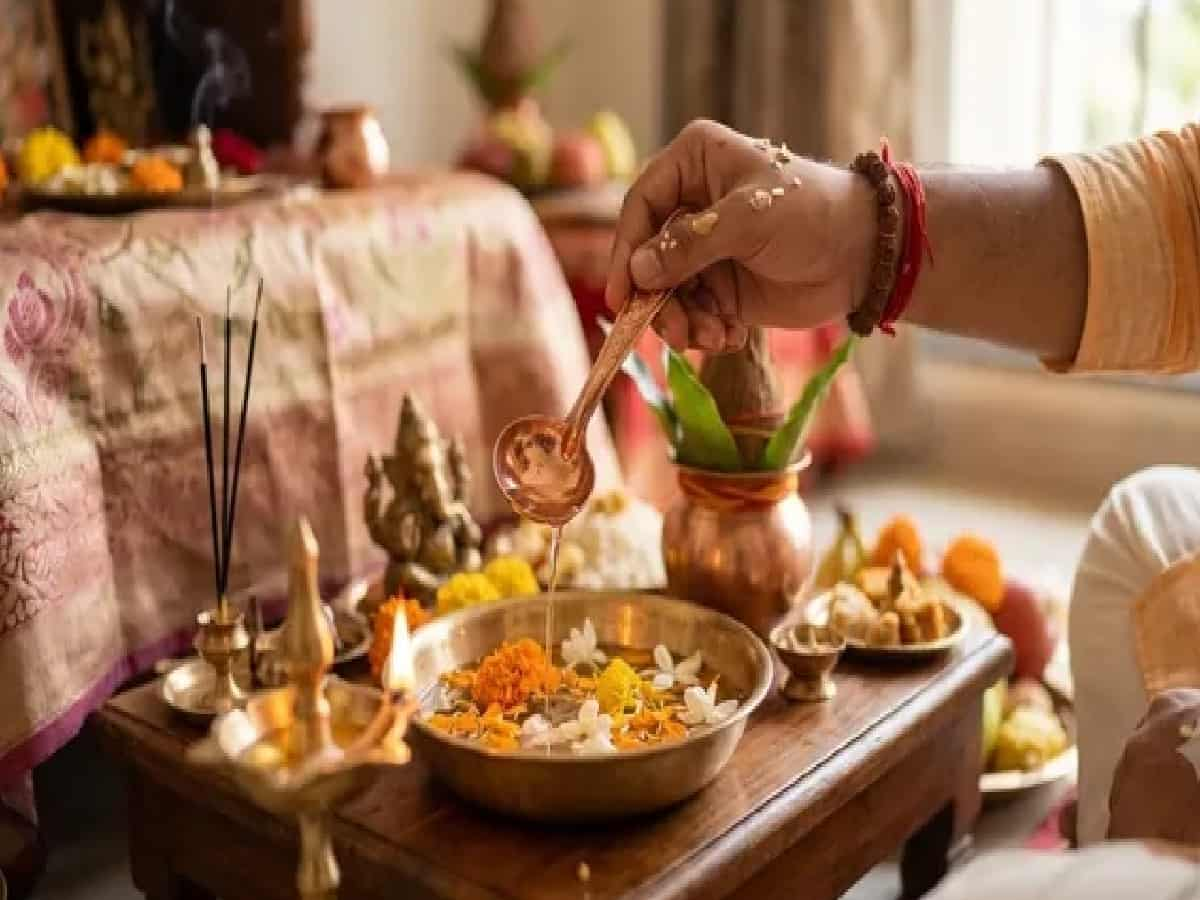
Using the right hand during religious ceremonies is viewed as a sign of utmost reverence and purity toward the divine. Whether offering prasad, lighting incense, or receiving blessings, engaging the right hand symbolizes sincerity, cleanliness, and the conscious separation of sacred duties from daily labor.
The Ayurvedic and Energetic Perspective: The Power of Pingala Nadi
Beyond cultural norms, ancient Ayurvedic science provides a fascinating energetic explanation for the sanctity of the right side of the body. According to Ayurveda, the human body is governed by subtle energy channels known as nadis. The right side of the body is associated with the Pingala Nadi, which represents the active, dynamic solar energy (Surya Nadi).
Because the right hand acts as a natural conduit for this vibrant solar energy, it is believed to be the ideal medium for spiritual worship. When devotees offer prayers, perform aarti, or distribute charity using their right hand, they channel this warm, focused, and pure energy outward, facilitating a stronger and more harmonious spiritual connection with the divine.
Linguistic Symbolism and Auspicious Practices
Adding to its cultural weight, the Sanskrit word for the right hand—"Dakshina"—is intrinsically tied to auspiciousness, dexterity, and respectful offerings. This linguistic connection reinforces why rituals like giving donations (daan), performing sacred circumambulation (pradakshina), and executing sacrificial offerings are invariably performed using the right hand. By anchoring daily actions in these time-tested principles, practitioners honor both physical hygiene and spiritual discipline.