The Divine Feast: How Does God Accept Food Offerings, Unveiling the Scriptural Secret
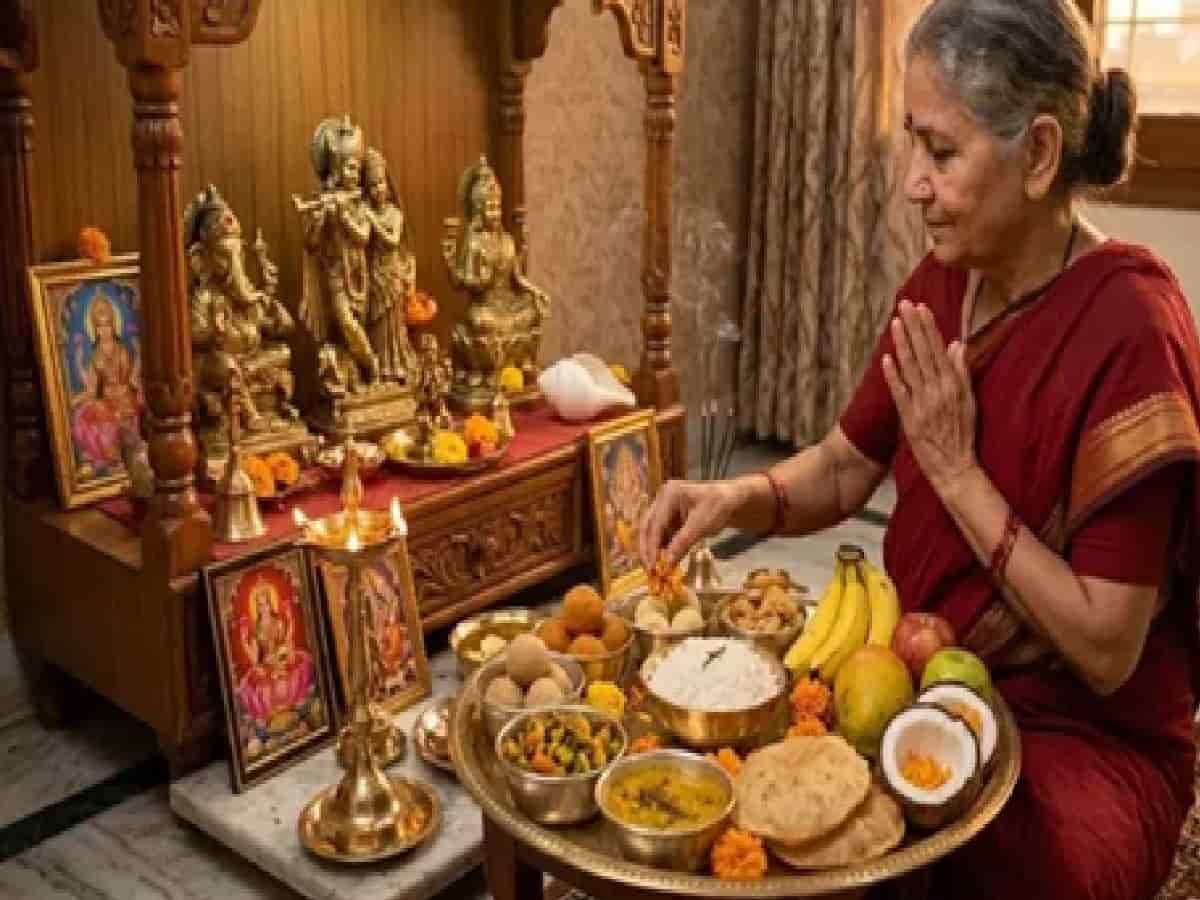
In the sacred rhythm of daily Hindu worship, offering food, sweets, fruits, or pure sattvik meals to the divine is a cornerstone of devotion. Whether it is a simple leaf of tulsi offered with a bowed head or an elaborate spread of fifty-six items, the act of offering food is universal. Yet, a curious question often arises in the minds of seekers: If God is formless and subtle, how exactly do deities accept these physical offerings? If they do not consume them the way humans do, what is the spiritual purpose behind this ancient ritual? Ancient scriptures and the wisdom of the Bhagavad Gita provide a fascinating answer to this cosmic mystery.
The Subtle Mechanics: How Deities Receive Offerings
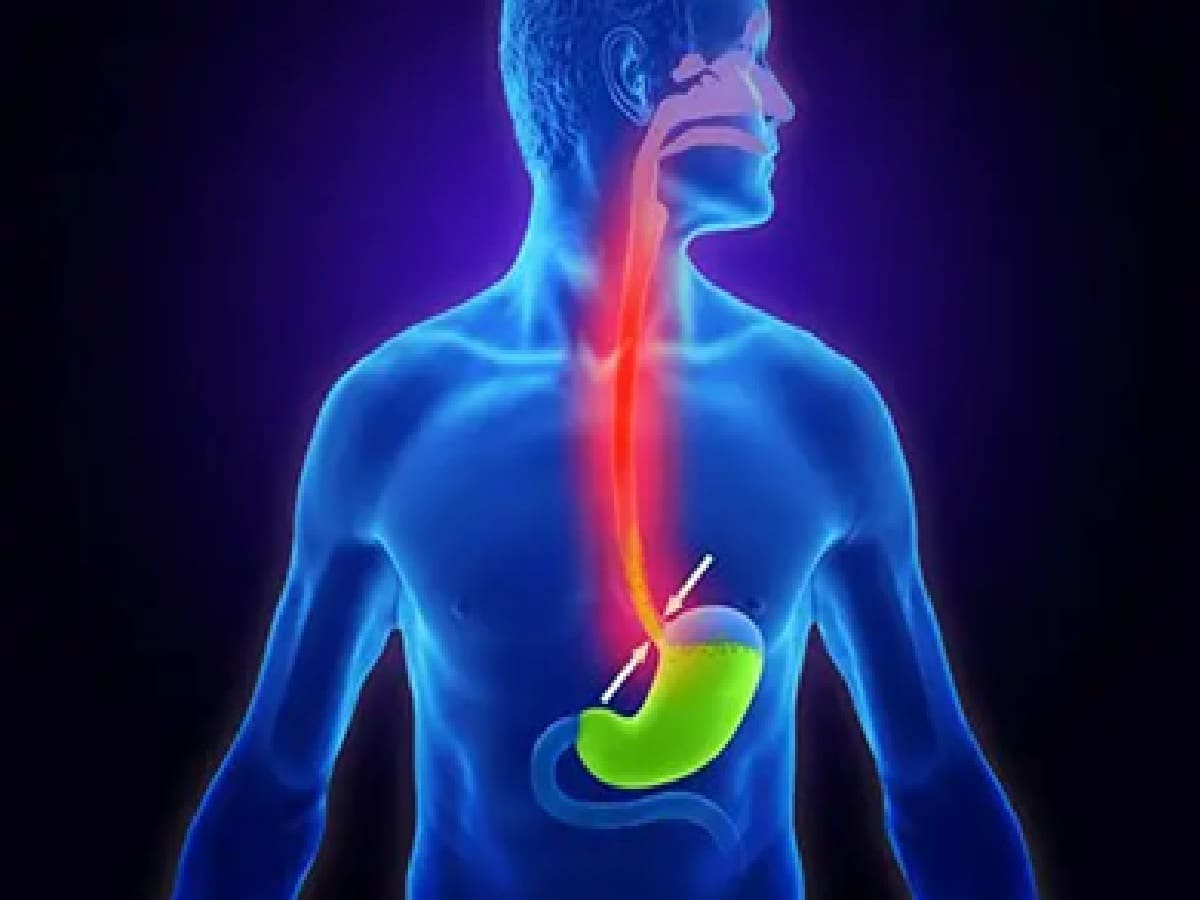
According to Vedic philosophy, the human body is tangible, bound by the gross physical framework of the five elements—earth, water, fire, air, and space—which allows us to physically consume food and water. In contrast, divine entities exist in a subtle, refined state without physical bodies. Therefore, they do not ingest the solid matter of the food; instead, they partake in the subtle essence of the offerings through the medium of the universal elements. The air element allows God to absorb the subtle fragrance and aroma emanating from the freshly prepared food, incense, and flowers. Through the fire element, the divine accepts the essence of warmth and light from lamps and sacred fires. Finally, the sacred sound of the aarti, the chanting of Vedic mantras, and the resonant ringing of bells and conch shells are absorbed through the space element.
Wisdom from the Srimad Bhagavad Gita
The holy scriptures explicitly confirm this spiritual transaction. In Chapter 9, Verse 26 of the Srimad Bhagavad Gita, Lord Krishna articulates the true currency of divine acceptance: Patram pushpam falam toyam yo me bhaktya prayachhati, tadhaan bhaktyupahritmashnami prayatatmanah. This verse translates to: If one offers Me with love and devotion a leaf, a flower, a fruit, or water, I accept that offering lovingly given by a pure-hearted devotee. Furthermore, in Chapter 7, Verse 9, Lord Krishna reveals His omnipresence within these very elements, stating that He is the sacred fragrance of the earth, the brilliance of fire, the life force in all living beings, and the penance of ascetics. These verses emphasize that God is already the ultimate proprietor of all things; what He truly seeks is not the physical weight of the food, but the purity of the emotion behind it.
The True Essence of 'Bhog' and Devotion
Ultimately, the act of offering food is less about feeding the deity and more about conditioning the human heart. When a devotee places a plate of food before the altar and closes their eyes in prayer, they are enacting a profound act of surrender—acknowledging that everything they consume or possess is a gift from the Divine. God is not hungry for material food; He is hungry for bhakti. When a meal is offered with deep gratitude, humility, and love, it ceases to be a mere physical routine and becomes a sacred communion of soul and spirit.