Nighttime Heartburn Relief: Why Milk Fails and These Foods Actually Help
Waking up in the middle of the night with a sharp, burning sensation in your chest and throat is a distressing experience that many dismiss as simple indigestion. However, understanding the underlying science of acid reflux and gastroesophageal reflux disease (GERD) is essential for finding true, long-term relief rather than temporary comfort. Traditional quick fixes like chugging cold milk or sipping peppermint tea often fall short because they fail to address the root biological mechanisms driving the irritation.
The Science of Acid Reflux: Understanding Pepsin
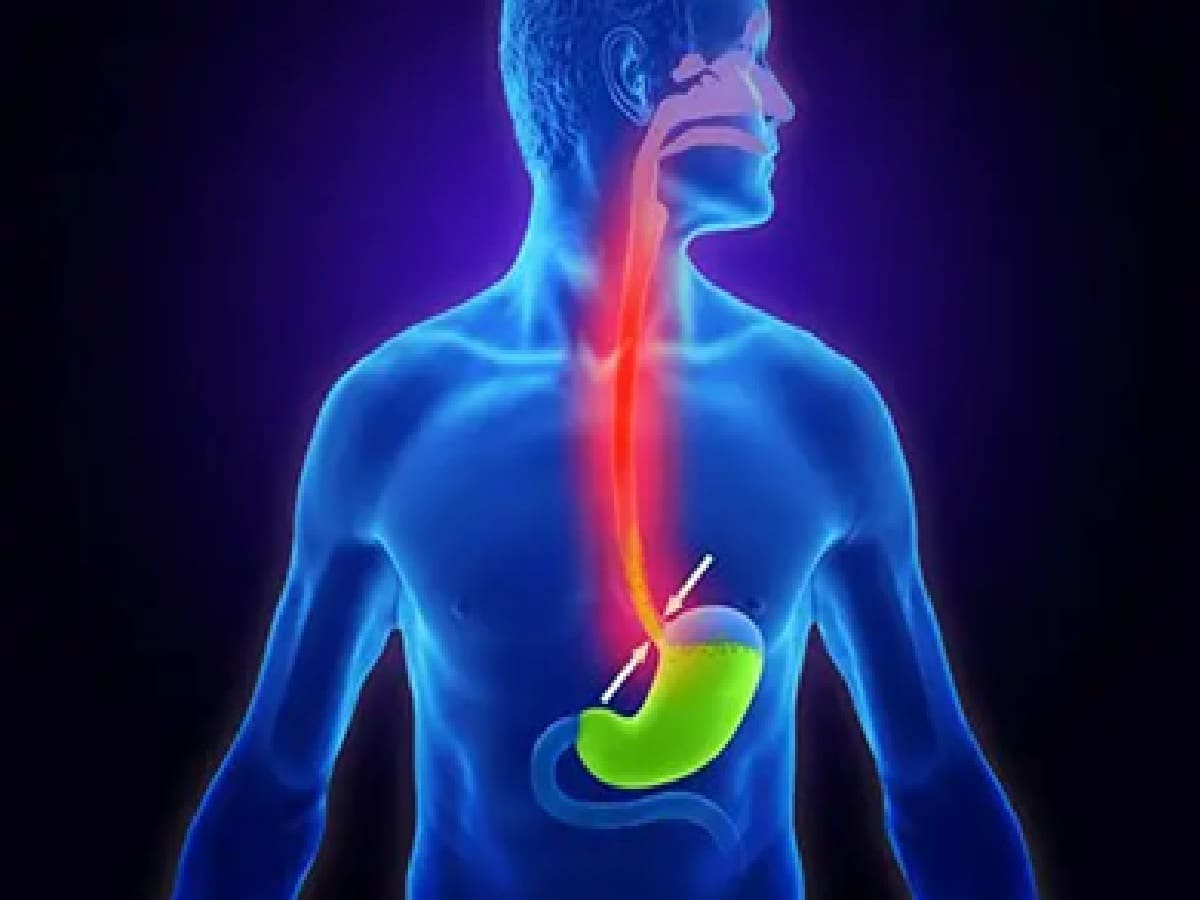
The uncomfortable burning feeling associated with heartburn isn't caused by stomach acid alone. It is largely driven by pepsin, a digestive enzyme designed to break down food proteins in the stomach. When reflux occurs, pepsin travels upward into the sensitive tissues of the esophagus and throat, where it adheres to delicate linings and causes persistent inflammation. Crucially, dormant pepsin molecules remain in the throat waiting to be reactivated; consuming acidic items or temporary remedies can trigger this enzyme, making the burning sensation flare up even worse than before.
Debunking Common Myths: Why Milk and Peppermint Tea Aren't the Answer
Many households turn to cold milk or peppermint tea at the first sign of nighttime acidity, but experts point out that these are merely short-term illusions of relief.
-
The Milk Myth: While milk coats the throat temporarily, its high protein and fat content can actually stimulate the stomach to produce more acid shortly after consumption, leading to a rebound burning effect within minutes.
-
The Peppermint Trap: Peppermint tea relaxes the lower esophageal sphincter—the valve that keeps stomach contents down—making it easier for acid and pepsin to escape upward once the soothing effect wears off.
Effective Foods and Natural Remedies for Lasting Relief
To genuinely neutralize acid and deactivate stubborn pepsin, experts recommend focusing on high-pH solutions and soothing foods that protect the digestive tract:
-
Alkaline Water: Consuming liquids with a high pH level (8.8 or higher) helps permanently neutralize pepsin and wash away residual acids.
-
Ripe Bananas: Acting as a natural antacid, ripe bananas help coat the irritated lining of the stomach and esophagus.
-
Watermelon: Packed with high water content and beneficial minerals, watermelon helps dilute stomach acid.
-
Oatmeal: Rich in a soluble fiber called beta-glucan, oats form a protective barrier along the esophagus, giving sensitive tissues time to heal.
-
Ginger: Known for its anti-inflammatory properties, ginger helps calm the stomach and reduce overall digestive irritation.
Dietary Triggers and Lifestyle Adjustments
Beyond choosing the right foods, managing nighttime heartburn requires avoiding known culprits like fried and fatty foods, caffeine, chocolate, and peppermint. Furthermore, lifestyle habits play a massive role in prevention. Elevating your upper body and keeping your head raised for at least three hours after your last meal allows gravity to assist digestion, naturally preventing stomach contents from creeping upward while you sleep.