Radha Ashtami 2026: Auspicious Puja Muhurat, Sacred Mantras, Offerings, and Aarti Guide
Devotees across India and global spiritual centers are celebrating the auspicious appearance anniversary of Shri Radha Rani on Saturday, September 19, 2026. Observed precisely fifteen days following the grand celebrations of Krishna Janmashtami, Radha Ashtami holds paramount spiritual significance within Sanatana Dharma and Vaishnava traditions. Across the holy lands of Barsana, Vrindavan, Mathura, and the wider Braj region, temples and households are steeped in divine fervor with non-stop sankirtan, devotional bhajans, and Vedic chants. Vaishnava philosophy emphasizes that devotion to Lord Krishna remains incomplete without seeking the unconditional grace and compassion of Radha Rani, making this sacred day an unmatched opportunity to cultivate pure bhakti, spiritual grounding, and family prosperity.
Radha Ashtami 2026 Tithi and Auspicious Choghadiya Muhurat Timings
According to classical Drik Panchang calculations, the sacred Ashtami Tithi of the Shukla Paksha in the month of Bhadrapada commenced at 1:00 PM on Friday, September 18, and culminates at 3:26 PM on Saturday, September 19, 2026. Devotees observing fasts and performing home rituals can align their offerings with highly auspicious Choghadiya Muhurat windows available throughout the festival day:
-
Shubh Choghadiya Muhurat: 7:39 AM to 9:11 AM
-
Labh Choghadiya Muhurat (Afternoon): 1:46 PM to 3:18 PM
-
Amrit Choghadiya Muhurat: 3:18 PM to 4:50 PM
-
Labh Choghadiya Muhurat (Evening): 6:22 PM to 7:50 PM
Step-by-Step Puja Rituals: Performing Simple and Heartfelt Home Worship
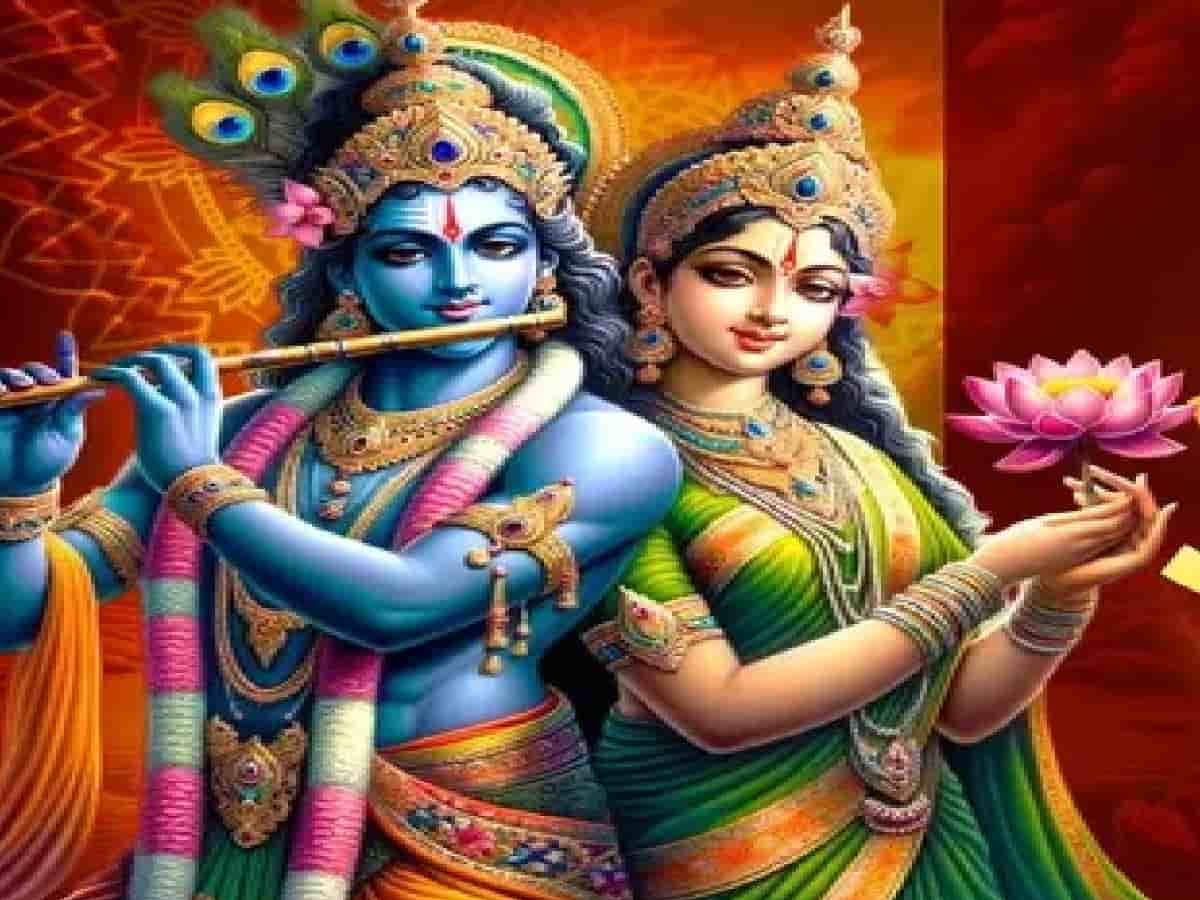
Vedic traditions encourage straightforward, heartfelt devotion rather than complex, rigid ceremonies. Devotees should wake during Brahma Muhurta, bathe, and dress in clean, preferably yellow or festive traditional attire. Cleanse the home altar, sprinkle holy Ganga water, and decorate the sacred space with fresh floral garlands. Install a joint idol or portrait of Radha-Krishna upon a raised wooden chowki draped in clean yellow or red silk. Perform the divine Abhishek using Panchamrit (a holy blend of cow milk, curd, ghee, honey, and gangajal), followed by wiping the deities with fresh cloth and adorning them with chandan, roli, and fragrant yellow flowers. Light pure cow ghee lamps and incense, recite sacred Radhika mantras, and conclude with the traditional aarti before distributing consecrated prasad among family and seekers.
Puja Samagri and Divine Bhog: What Pleases Shri Radha Rani
Preparing an authentic offering requires pure, sattvic ingredients sourced with respect and mindfulness. Essential puja materials include yellow marigold flowers, fresh tulsi leaves for Lord Krishna, fragrant sandalwood paste, roli, kumkum, akshat (unbroken rice), dhoop, and pure ghee wicks. When preparing the culinary offering (bhog), tradition highlights Radha Rani's cherished dishes: freshly prepared taro root (arbi) sabzi, seasonal fresh fruits, makkhan-mishri, traditional milk sweets like peda or kheer, and fragrant betel leaves (paan) seasoned with cardamom and cloves. Presenting these preparations with pure love is believed to usher deep peace, spiritual serenity, and domestic harmony into the household.
Sacred Radha Rani Mantras for Spiritual Peace and Divine Grace
Chanting specific Radha mantras on this tithi dispels mental agitation, fosters loving devotion, and invokes divine protection. Devotees can chant the following powerful verses using a tulsi or lotus seed rosary:
-
"Om Radhaiya Namah"
-
"Om Hreem Shree Radhikaayi Namah"
-
"Shri Radhe Vrindavaneshwari Karunavatarini Namaste"
-
"Om Vrishabhanujayai Vidmahe Krishnapriyaai Dhimahi Tanno Radha Prachodayat"
-
"Om Hreem Radhikaayai Namah"
-
"Radhe Radhe"
Complete Traditional Aarti: Shri Vrishabhanusuta Ki Aarti
Concluding the worship with the singing of the traditional aarti brings the divine ceremony to a blissful fulfillment. Devotees stand with folded hands and circle the ghee lamp with reverence while reciting the timeless devotional hymn:
Aarti of Shri Vrishabhanusuta, Manju Murti Mohan Mamta Ki || Tech || Trividh Tapayut Sansriti Nasini, Vimal Vivek-Virag Vikasini, Pavan Prabhu-Pad-Preeti Prakashini, Sundarta Ki Sundar Murti || Muni-Man-Mohan Mohan Mohani, Madhur-Manohar Murti Sohni, Aviral-Prem-Amiy-Ras Dohani, Priya Hridaya-Mani Lalita Ki || Santat Seva Sat-Muni-Jan Ki, Aakar Amit Divya Gun-Gan Ki, Aakarshit Krishna-Tanu-Man Ki, Samatoolya Ati Anupam Sampatti || Krishnatmika, Krishna-Sahacharini, Chinmaya-Vrinda-Vipin-Viharini, Jagajjanani Jaga-Dukha-Nivarini, Adi Anadi-Shakti Vibhuti Ki ||