India Renews Diplomatic Efforts to Return 11th-Century Goddess Vagdevi Idol from Britain to Dhar's Bhojshala
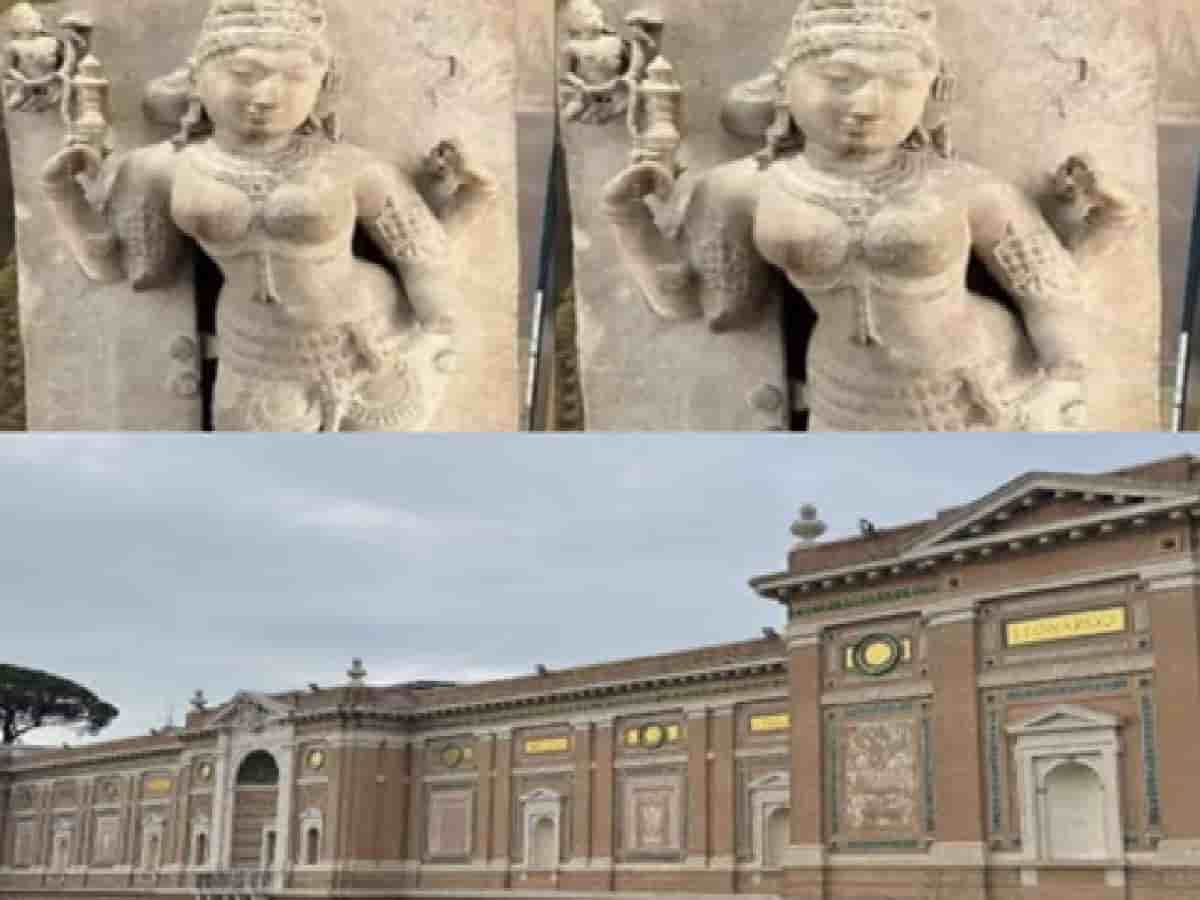
The Indian government has accelerated diplomatic efforts to repatriate a priceless piece of national heritage—the 11th-century white marble statue of Goddess Vagdevi, which was removed from the historic Bhojshala complex in Madhya Pradesh's Dhar district and taken to Britain nearly a century ago. The high-profile cultural conversation was recently reignited during the BRICS Culture Ministers' meeting hosted in Bhopal, bringing national attention back to the sacred idol. As diplomatic channels push for its rightful return home, history and faith enthusiasts are looking closely at the profound spiritual and historical significance of Goddess Vagdevi and the legendary Bhojshala temple.
The Historical and Religious Significance of Dhar's Bhojshala
Situated in the Dhar district of Madhya Pradesh, the Bhojshala Temple stands as a monumental landmark of both architectural heritage and religious devotion. The site is dedicated to Goddess Vagdevi, universally revered as Goddess Saraswati, the divine embodiment of knowledge, music, arts, and wisdom. Historical records trace its roots back to Raja Bhoj (1000–1055 AD), the celebrated ruler of the Parmar dynasty and a legendary patron of literature and scholarship, who established an advanced educational center that evolved into modern-day Bhojshala. For generations, Hindus have revered the temple as an ancient seat of learning and worship, making the return of the original Vagdevi idol an emotional and cultural aspiration for millions.
Who Is Goddess Vagdevi? Symbolism and Etymology
The name "Vagdevi" is derived from two sacred Sanskrit words: "Vak," denoting speech or words, and "Devi," signifying divine power, translating directly to the "Goddess of Speech" or "Goddess of Words." As a primary manifestation of Goddess Saraswati, Vagdevi is traditionally depicted in scriptures wearing pristine white garments and seated gracefully upon a lotus flower, symbolizing absolute purity, intellectual enlightenment, and creation. Across different traditions and regions, she is affectionately invoked by numerous revered names, including Saraswati, Sharda, Bharati, Subhadra, Suvasini, Vasudha, and Veena Vadini Devi, holding a deeply cherished place among students, scholars, musicians, and artists who celebrate her blessings during festivals like Vasant Panchami at Bhojshala.