Divine Symbolism: The Profound Spiritual Meaning Behind the Weapons of Hindu Gods
When we visit a temple or look at depictions of deities in our homes, we often observe gods and goddesses holding distinct armaments. Lord Shiva carries his trident, Lord Vishnu bears the Sudarshan Chakra, and deities like Lord Hanuman and Goddess Durga wield powerful maces. At first glance, the presence of weaponry associated with divine figures of peace and compassion might seem paradoxical. However, spiritual experts and ancient scriptures reveal that these celestial arms are not instruments of physical destruction. Instead, they serve as profound moral allegories and spiritual blueprints designed to guide humanity through life's righteous path.
Conquering Inner Evils: The True Purpose of Divine Weapons
According to spiritual insights and astrological traditions, the weapons held by deities do not symbolize warfare against external foes. Rather, they represent the ultimate destruction of the internal enemies that plague human consciousness: ignorance, lust, anger, greed, and ego. As long as these negative tendencies reside within a person, true peace and inner happiness remain unattainable. The divine weapons serve as constant reminders and inspirations for humanity to conquer these internal vices, encouraging spiritual growth, self-discipline, and moral clarity.
Meaning of Major Divine Weapons and Their Teachings
Each celestial weapon associated with Hindu mythology carries a specific philosophical message applicable to everyday life:
-
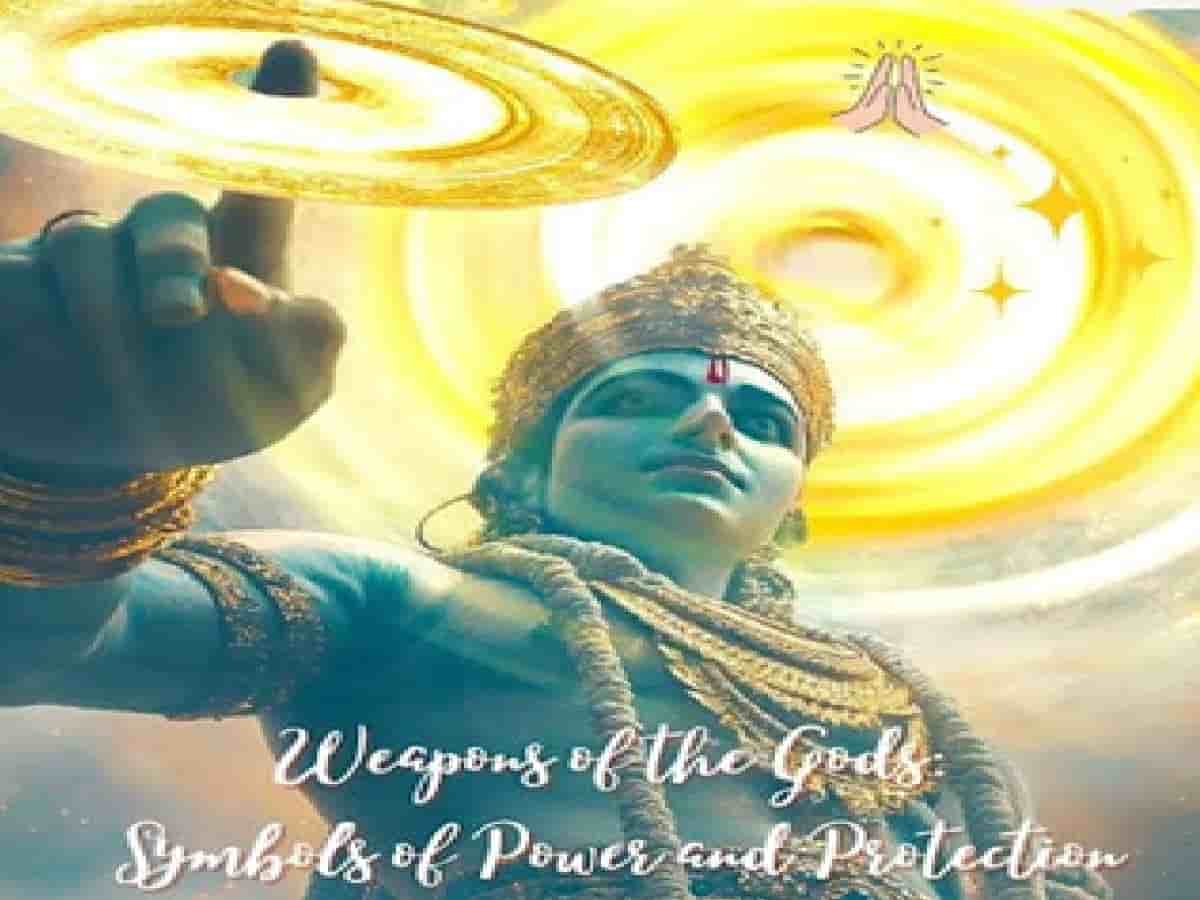
Lord Vishnu’s Sudarshan Chakra: Far more than a spinning weapon, the Sudarshan Chakra represents the eternal wheel of time and the unyielding law of human karma. It teaches us that time never halts and that adharma (unrighteousness) will eventually be dismantled, ensuring that cosmic justice and order are perpetually restored in society.
-
Lord Shiva’s Trishul (Trident): Lord Shiva's iconic trident symbolizes the mastery over three foundational dimensions of human existence: physical afflictions (adhibhautika), divine or natural sorrows (adhidaivika), and material or mental distress (adhyatmika). Furthermore, it conveys the crucial lesson of maintaining balance and spiritual equilibrium among the three core qualities of nature and human psychology: sattva (purity), rajas (activity), and tamas (inertia).
-
The Mace (Gadda) of Goddess Durga and Lord Hanuman: The mace has traditionally been revered as the ultimate emblem of absolute inner strength, self-confidence, and mental fortitude. It teaches us that when physical and moral power is channeled purposefully in the service of righteousness, goodness, and truth, evil can be successfully repelled.
The Universal Message of Peace and Protection
Ultimately, the presence of weapons in the hands of compassionate deities conveys a vital lesson: true peace and righteousness in the world are sustained not merely by passive knowledge, but by the strength and courage required to protect that knowledge from malevolent forces. These sacred symbols warn humanity against straying into falsehood and unrighteousness, offering an enduring assurance that moral law and truth will always triumph in the end.