






Ashwattha Marriage: Why Symbolic Marriage to a Peepal Tree Is Performed
Hindu traditions and marital customs are deeply interwoven with astrological science, emphasizing thorough horoscope matching (Kundali Milan) to ensure long-term harmony and happiness in married life. When celestial charts reveal specific planetary challenges, such as the placement of Mars creating Manglik Dosha, traditional Vedic astrology prescribes powerful remedial measures. Among the most well-known traditional remedies for mitigating marital obstacles caused by Mars is Ashwattha marriage—a sacred, symbolic ritual where a bride or groom is wedded to a Peepal tree prior to their actual wedding.
What Is Ashwattha Marriage and Its Purpose
In Sanskrit and traditional astrology, Ashwattha refers to the sacred Peepal tree, which holds immense religious significance in Hinduism as a divine abode of deities and ancestral energies. When a horoscope indicates Manglik Dosha—a condition traditionally believed to create friction in married life or pose health challenges to a spouse—performing an Ashwattha marriage acts as a spiritual buffer.
This ceremony is entirely symbolic rather than literal. According to astrological beliefs, the malefic energy or initial impact of Manglik Dosha is absorbed by the sacred tree, thereby neutralizing the dosha and paving the way for a peaceful, harmonious, and prosperous marital union.
Astrological Reasons and the Influence of Mars
Mars (Mangal) represents vital energy, passion, courage, and the element of fire in Vedic astrology. When Mars occupies certain houses in a birth chart, it forms Manglik Dosha. While matching horoscopes where both partners are Manglik naturally cancels the dosha, a mismatch requires remedial action. Performing an Ashvattha Vivah helps pacify the adverse energetic influence of Mars, removing the fear of marital discord and ensuring that future obstacles are warded off.
Key Rules and Rituals of Ashwattha Marriage
Conducting an Ashwattha marriage requires strict adherence to traditional Vedic guidelines:
-
Muhurta and Timing: The ritual must be performed during an auspicious planetary time (muhurta) under the guidance of knowledgeable priests.
-
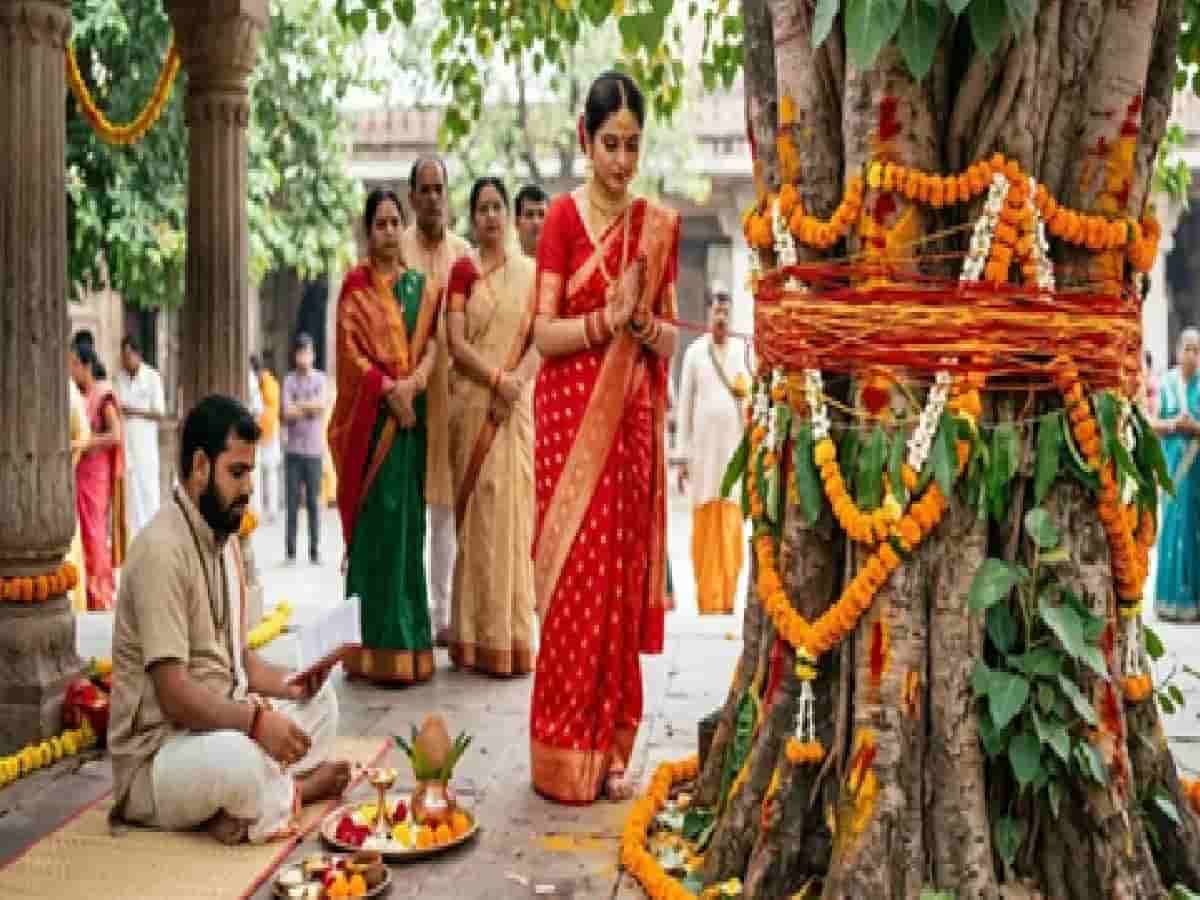
Worship of the Peepal Tree: Devotees offer water, roli (vermilion), rice grains, fresh flowers, and traditional puja materials to the Peepal tree while chanting sacred Vedic mantras.
-
Pledges and Devotion: A formal spiritual resolution (sankalp) is taken while invoking Lord Vishnu and other deities. Crucially, the ritual must be conducted with deep reverence, ensuring that the Peepal tree is worshipped and protected without causing any harm to its branches or foliage.