Tamil Nadu CM Vijay Proposes Talks on Cauvery Dispute: "If We Can Talk to Enemies, Why Not Neighboring States"
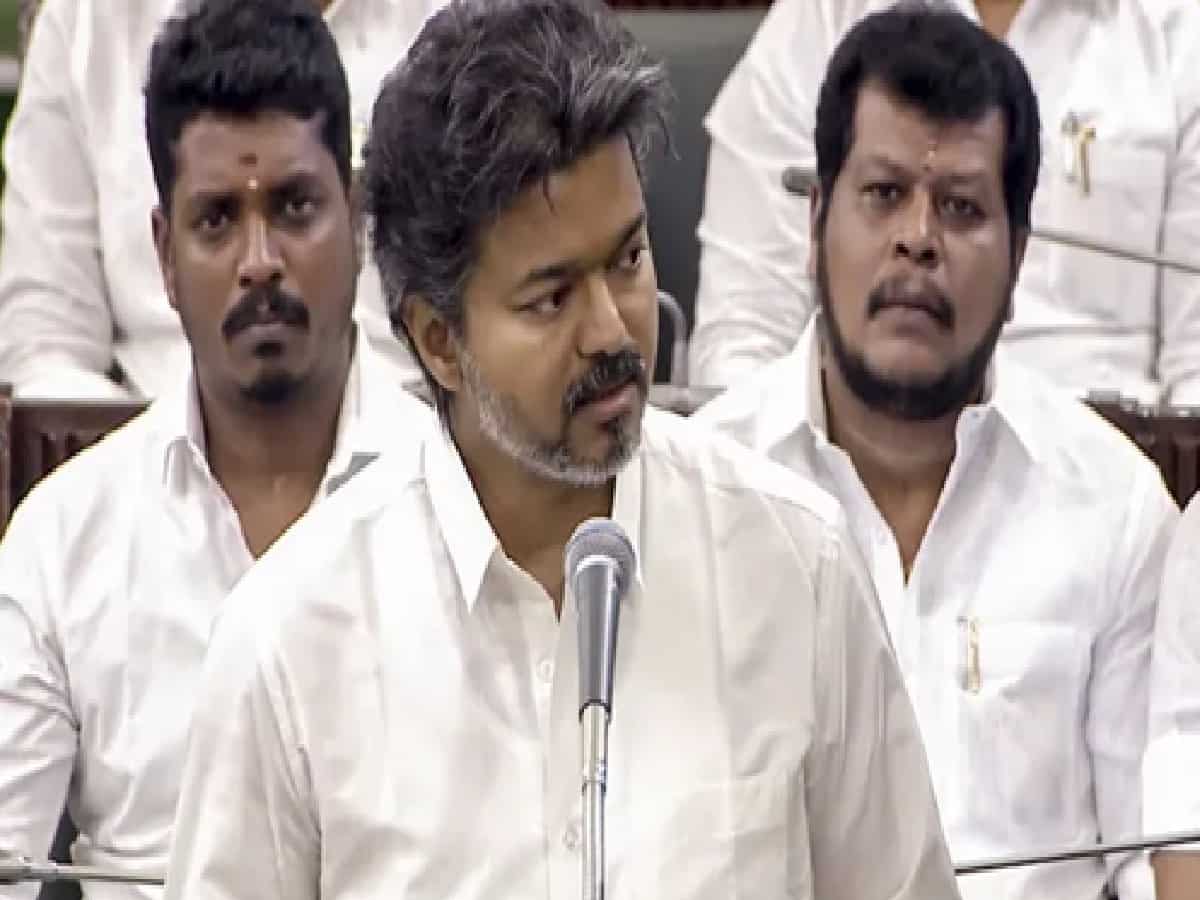
Tamil Nadu Chief Minister C. Joseph Vijay has made a compelling pitch for direct inter-state dialogue with neighboring Karnataka to resolve the long-standing Cauvery river water sharing dispute, while firmly maintaining that the state's legal battle remains steadfast. Speaking on the floor of the Tamil Nadu Assembly on Friday in response to an issue raised by Leader of Opposition Udhayanidhi Stalin, the Chief Minister underscored that while legal recourses are essential, diplomatic communication between states should not be ruled out, drawing parallels to how nations interact even during times of conflict.
Navigating the Cauvery Dispute with Care and Historical Context
Addressing the legislative assembly, Chief Minister Vijay reflected on how successive state administrations have handled the highly sensitive Cauvery water crisis since 1969 through a combination of diplomatic dialogue and robust legal measures. Reassuring lawmakers, he clarified that his government's legal stance remains entirely unchanged and that pursuing justice through judicial avenues is an absolute priority. However, invoking historical wisdom, the Chief Minister paid tribute to late political leaders and quoted former Leader of the Opposition P.G. Karuthiruman, reminding the house that the intricate Cauvery issue demands extreme care, patience, and political maturity.
"Ready to Endure Humiliation" for Tamil Nadu's Farmers
In a passionate defense of his proactive approach, CM Vijay revealed that he had seriously contemplated traveling to Bengaluru to initiate direct talks with Karnataka counterparts to achieve a breakthrough. Acknowledging that he consulted numerous stakeholders and advisors about the plan, the Chief Minister stated that he was fully "prepared to endure humiliation" for the welfare and livelihood of the people and farmers of Tamil Nadu if it meant securing a positive outcome through peaceful negotiation.
Emphasizing the rationale behind open communication, he posed a poignant question to the assembly: "If we can talk to our enemies, why not our neighboring states?" He noted that even hostile nations maintain channels of communication to resolve complex disputes, signaling that political willingness and dialogue should always remain open alongside legal battles.