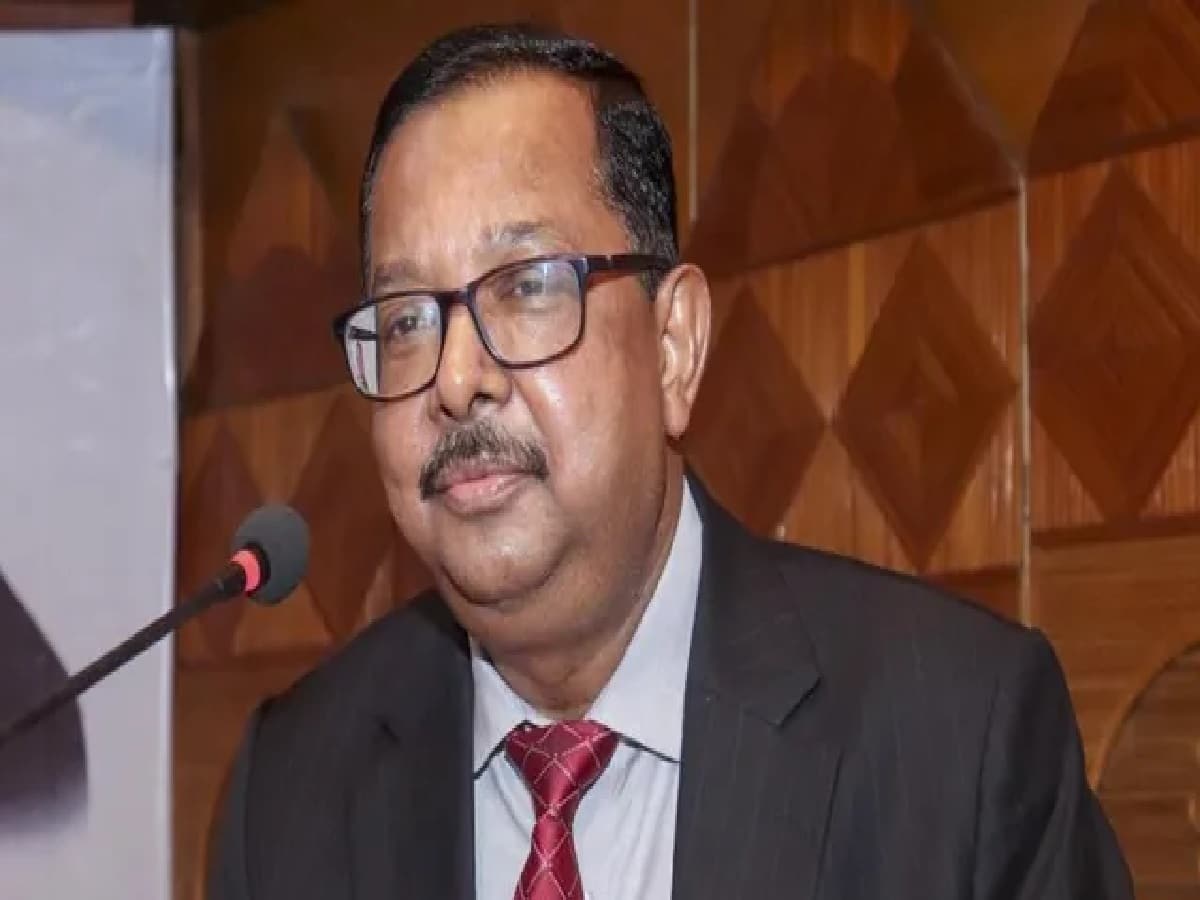
Supreme Court Justice Ujjwal Bhuyan Expresses Regret Over Non-Appointment of Distinguished Jurists as Judges in India
Expressing concern over a prolonged structural gap in India's judicial appointments, Supreme Court judge Justice Ujjwal Bhuyan stated that it is unfortunate the constitutional provision allowing eminent jurists to be appointed to the apex court has never been utilized. Speaking at the National Law University in Delhi during the LLM students' convocation, Justice Bhuyan highlighted that despite more than 76 years passing since the adoption of the Constitution, legal academics and scholars have consistently been overlooked for Supreme Court benches.
Overlooking Article 124(3) and the Lack of Legal Academics on the Bench
Justice Bhuyan pointed out that Article 124(3) of the Constitution explicitly empowers the appointment of distinguished jurists as judges of the Supreme Court. However, neither successive central governments nor the collegium system have successfully implemented this pathway. He noted that this omission implies a lack of confidence in Indian academia or a failure to seriously evaluate scholarly expertise for high judicial office.
Addressing conventional arguments regarding a lack of practical litigation experience among legal experts, Justice Bhuyan emphasized that the Supreme Court functions as the supreme guardian of the nation's moral, legal, and constitutional conscience, rising far above everyday technical details. He maintained that talented scholars from academia could offer invaluable contributions and enrich the bench's decision-making process.
Global Precedents and the Need for Judicial Diversity
Drawing comparisons with international legal systems, Justice Bhuyan noted that constitutional courts in countries like the United States, the United Kingdom, Canada, and Kenya routinely appoint distinguished academics as judges. He cited historical examples such as Felix Frankfurter, who was appointed to the US Supreme Court in 1939, paving the way for numerous legal scholars to transition into judicial roles.
In contrast, Indian legal academics face structural barriers, including restrictions under Bar Council rules that prohibit simultaneous practice, which have historically limited the direct elevation of pure jurists. Concluding his address, Justice Bhuyan advocated for greater institutional openness to include renowned legal educators, arguing that academic diversity is essential for strengthening the functional capacity of India's highest court.