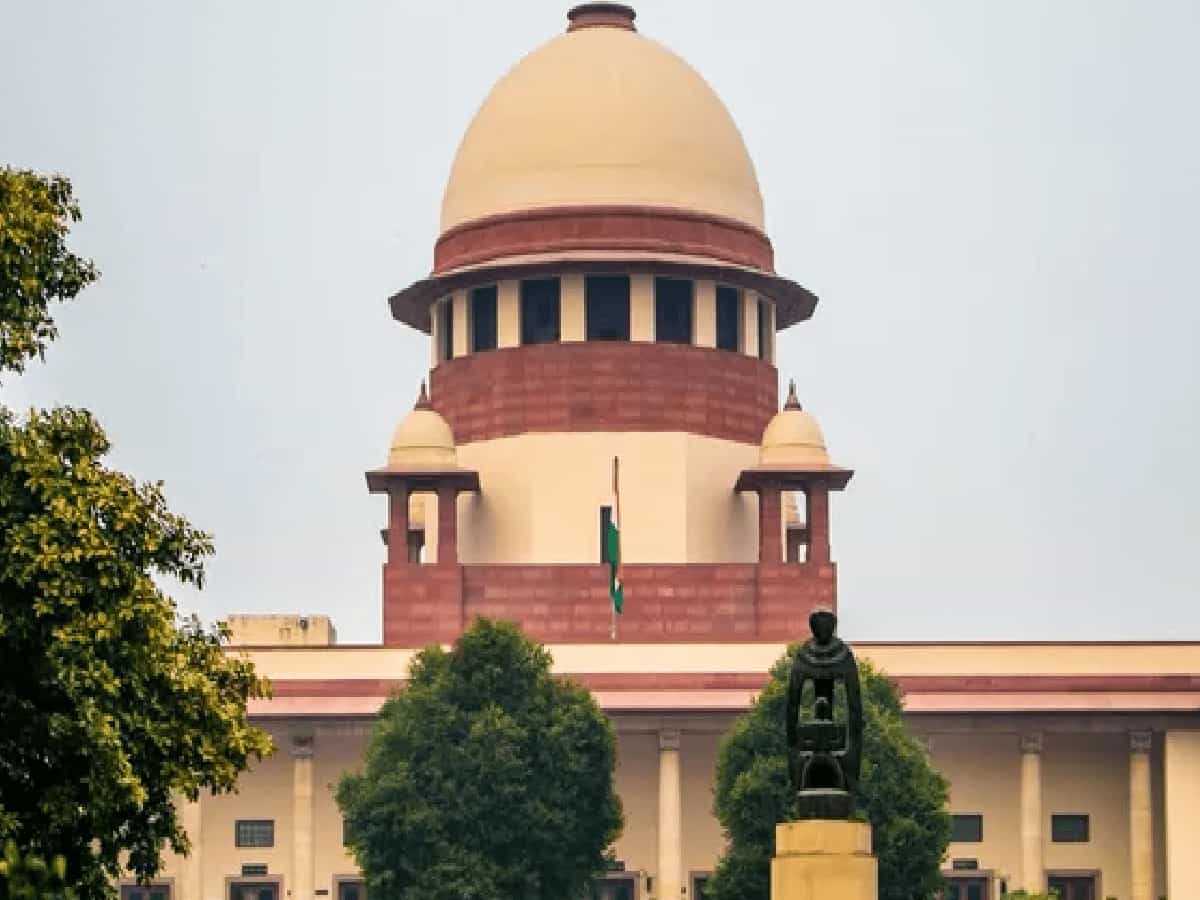
SC Slams Executive Magistrate Over Jantar Mantar Protest Notice to Student: "How Did You Dare Violate Our Order"
The Supreme Court of India took a stern stand on Wednesday, expressing profound displeasure and outrage over an Executive Magistrate issuing a notice to a student for participating in a peaceful protest at Jantar Mantar. Chief Justice Surya Kant severely questioned the administrative overreach, demanding to know how a magistrate could possess the audacity to violate clear judicial directives protecting students from punitive action.
Bench Questions Magistrate's Actions Despite Direct Supreme Court Protection Orders
The matter came to light when a lawyer mentioned the case before a bench comprising Chief Justice Surya Kant, Justice Joymalya Bagchi, and Justice V. Mohana. The counsel pointed out that despite explicit Supreme Court orders dictating that no coercive or punitive measures be taken against protesting students, the Executive Magistrate of Greater Noida proceeded to issue a formal notice.
Expressing deep judicial concern, Chief Justice Surya Kant remarked during the hearing: "We have passed a clear order that no coercive action will be taken against any student. Then how did the magistrate issue the notice? How did the Executive Magistrate dare to issue the notice? How could a magistrate violate our order?" Although the lawyer noted that the controversial notice was subsequently withdrawn, the bench emphasized that issuing it in direct defiance of supreme judicial orders constitutes a serious breach, prompting the court to demand formal clarification and place the complete facts on record.
Background of the Jantar Mantar Protest Case and BNSS Section 130 Notice
The controversy stems from a demonstration led by the CJP at Jantar Mantar in New Delhi, in which Akshat Tripathi, a student of Gautam Buddha University, allegedly participated. Following the event, the Executive Magistrate of Greater Noida issued a notice to Tripathi on September 4 under Section 130 of the Bharatiya Nagarik Suraksha Sanhita (BNSS), requiring him to furnish a hefty personal bond of Rs 5 lakh to maintain peace. While the student vehemently denied any wrongdoing and maintained that his participation in the protest was entirely peaceful, the administrative action triggered a direct legal clash over judicial compliance and student rights.