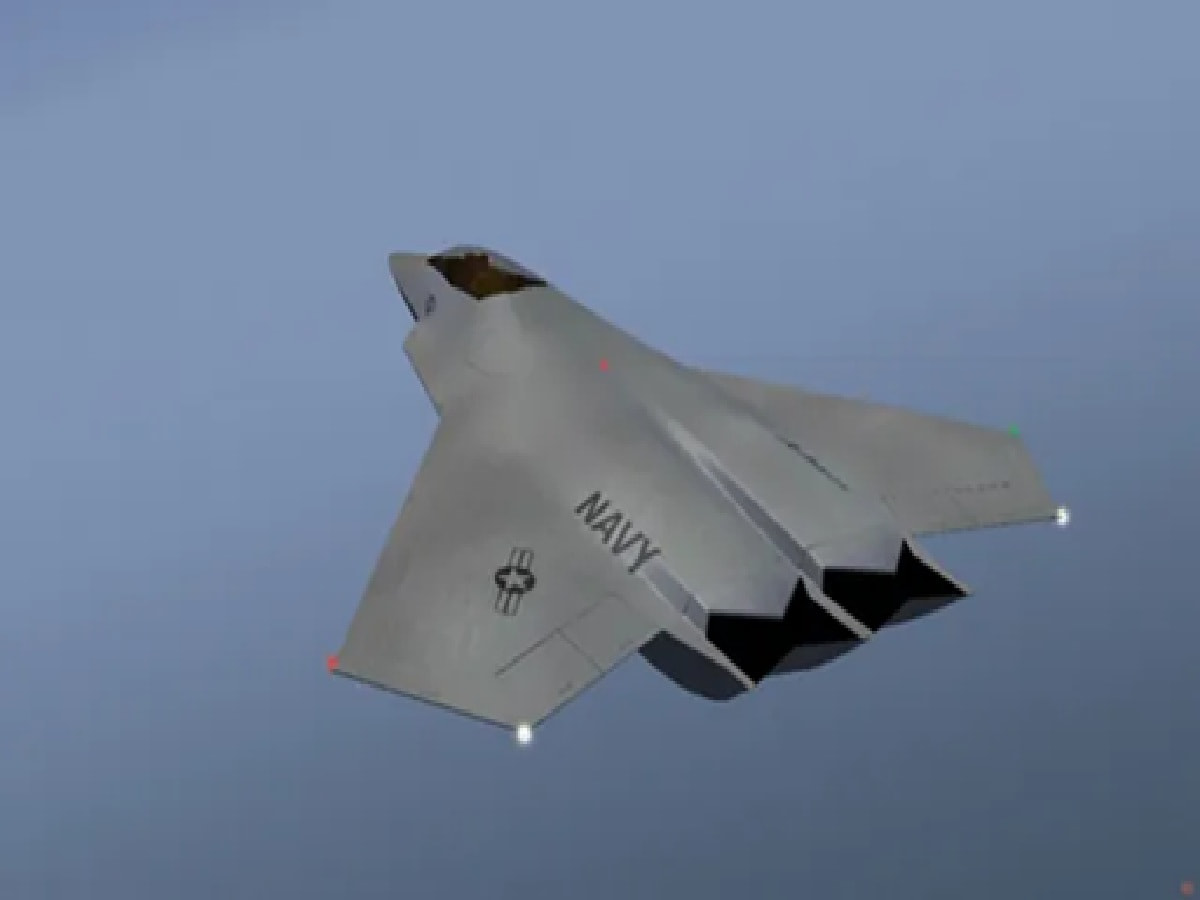
India Moves to Join Sixth-Generation Fighter Program: Parliamentary Committee Seeks Roadmap
In a strategic leap to future-proof the nation's aerial combat capabilities, India is actively exploring pathways to join advanced sixth-generation fighter aircraft development programs. According to a recent parliamentary report presented in Parliament on Friday, the Parliamentary Standing Committee on Defence revealed that the Ministry of Defence has initiated high-level considerations to participate in the French government-led 'Future Combat Air System' (FCAS) program. As modern warfare becomes increasingly air-centric, the parliamentary panel has officially instructed the ministry to draft a concrete acquisition and development roadmap to ensure the Indian Air Force maintains technological superiority on the global stage.
Global Alliances in Sixth-Generation Fighter Development
International defense landscapes currently feature two primary multinational consortiums spearheading sixth-generation aircraft technology:
-
European Franco-German Group: Comprising France and Germany, focusing on the Future Combat Air System (FCAS).
-
Trilateral Alliance: Comprising the United Kingdom, Italy, and Japan, collaborating on next-generation aerial platforms.
To prevent the Indian Air Force from lagging behind in cutting-edge military aviation, the Ministry of Defence is evaluating strategic partnerships with one of these global groups. Joining such an alliance would allow India to co-develop or integrate advanced stealth, artificial intelligence, and network-centric warfare capabilities directly into its future defense inventory.
Recommendations for Defence Budget Enhancement and Capital Allocation
Amid escalating geopolitical tensions and evolving regional security challenges, the parliamentary committee has strongly recommended a substantial increase in India's overall defense budget. Emphasizing the necessity to maintain a credible, round-the-clock war-deterrence capability, lawmakers noted that military modernization relies heavily on the capital section of the defense budget. The committee urged the government to boost capital allocations to facilitate the uninterrupted acquisition of state-of-the-art platforms, cutting-edge technologies, and advanced weapon systems driven by continuous threat assessments and technological shifts.
DRDO Instructed to Finalize Key Performance Indicators (KPIs)
Addressing domestic defense research and development, the committee directed the Defence Research and Development Organisation (DRDO) to expedite and finalize clear Key Performance Indicators (KPIs) for all ongoing and upcoming defense projects. These performance benchmarks are designed to rigorously measure cost efficiency, technical maturity, strict adherence to target completion dates, and overall operational effectiveness. Establishing these transparent metrics aims to ensure greater accountability, timely project delivery, and enhanced technological self-reliance within India's domestic defense manufacturing ecosystem.